
3 Minutes
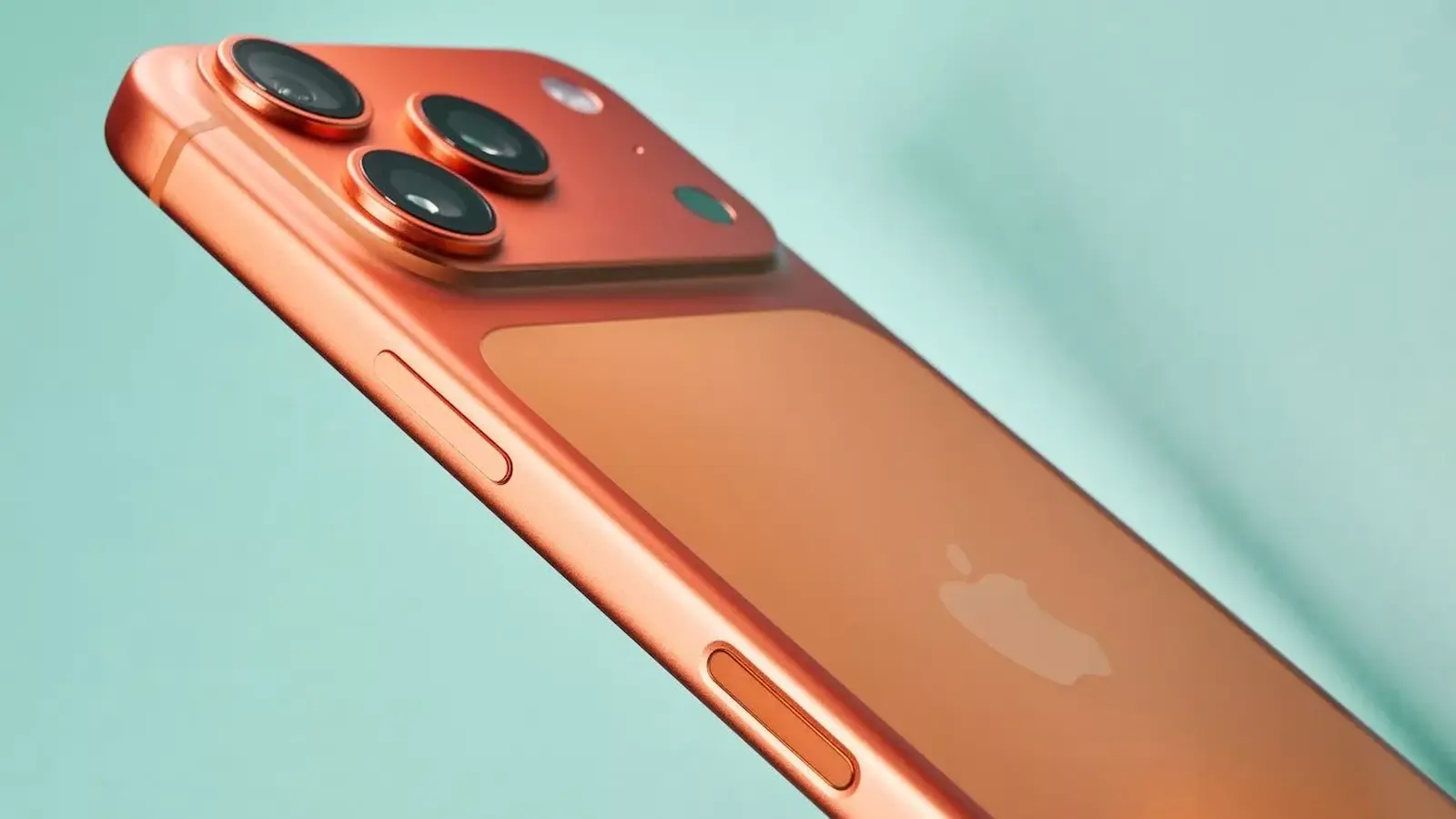
Apple is quietly asking panel suppliers to take a big bite out of OLED prices for the iPhone 18 Pro Max. Why the squeeze? Memory costs are climbing, and someone has to absorb the hit.
According to South Korea's The Elec, Apple floated an offer near $70 per OLED panel, though final deals could settle even lower. Industry estimates put the likely price around $66.50 per unit from Samsung Display and LG Display — roughly a 20 percent drop compared with the panels used in the iPhone 17 Pro Max.
Panel prices have slipped a little each generation, but this cut looks unusually steep. That’s notable because the iPhone 18’s screens are not simpler to make. Apple plans to use Samsung Display’s new M16 material stack in this cycle, which promises better optical efficiency, longer lifetime, and richer color performance — improvements that typically raise, not lower, production complexity.
Apple's push to lower OLED prices is a clear attempt to balance rising memory costs without sacrificing premium hardware.
Phone makers can only squeeze so many suppliers before corners start to fray. Manufacturers across the board are trying to offset rising DRAM and NAND prices by trimming costs in other modules, such as displays and camera assemblies. The question becomes: how much margin can suppliers cede before product differentiation or panel quality is impacted?

Market analysis from UBI Research sketches out the volume picture. Samsung Display is expected to ship about 46 million OLED panels for the iPhone 18 family this year — split as 2 million for the standard iPhone 18, 18 million for the iPhone 18 Pro, and 26 million for the iPhone 18 Pro Max. LG Display is likely to contribute roughly 41 million panels, including 1 million for the base model, 19 million for the Pro, and 21 million for the Pro Max.
Timelines remain traditional: Apple will likely unveil the iPhone 18 Pro models in September, possibly alongside its first foldable iPhone, while the standard iPhone 18 and a smaller 18e could arrive in spring 2027. Analysts are already pricing the premium: the base iPhone 18 Pro may start around $1,299, with the Pro Max near $1,399 — about $200 more than the previous generation, according to current forecasts.
Cutting panel costs helps, but it may not be enough to offset memory-driven inflation and the premium Apple is betting consumers will pay for brighter, longer-lasting displays. In the end, buyers will decide whether those gains are worth the extra dollars at checkout.

Leave a Comment
Comments
No comments yet. Be the first.