
2 Minutes
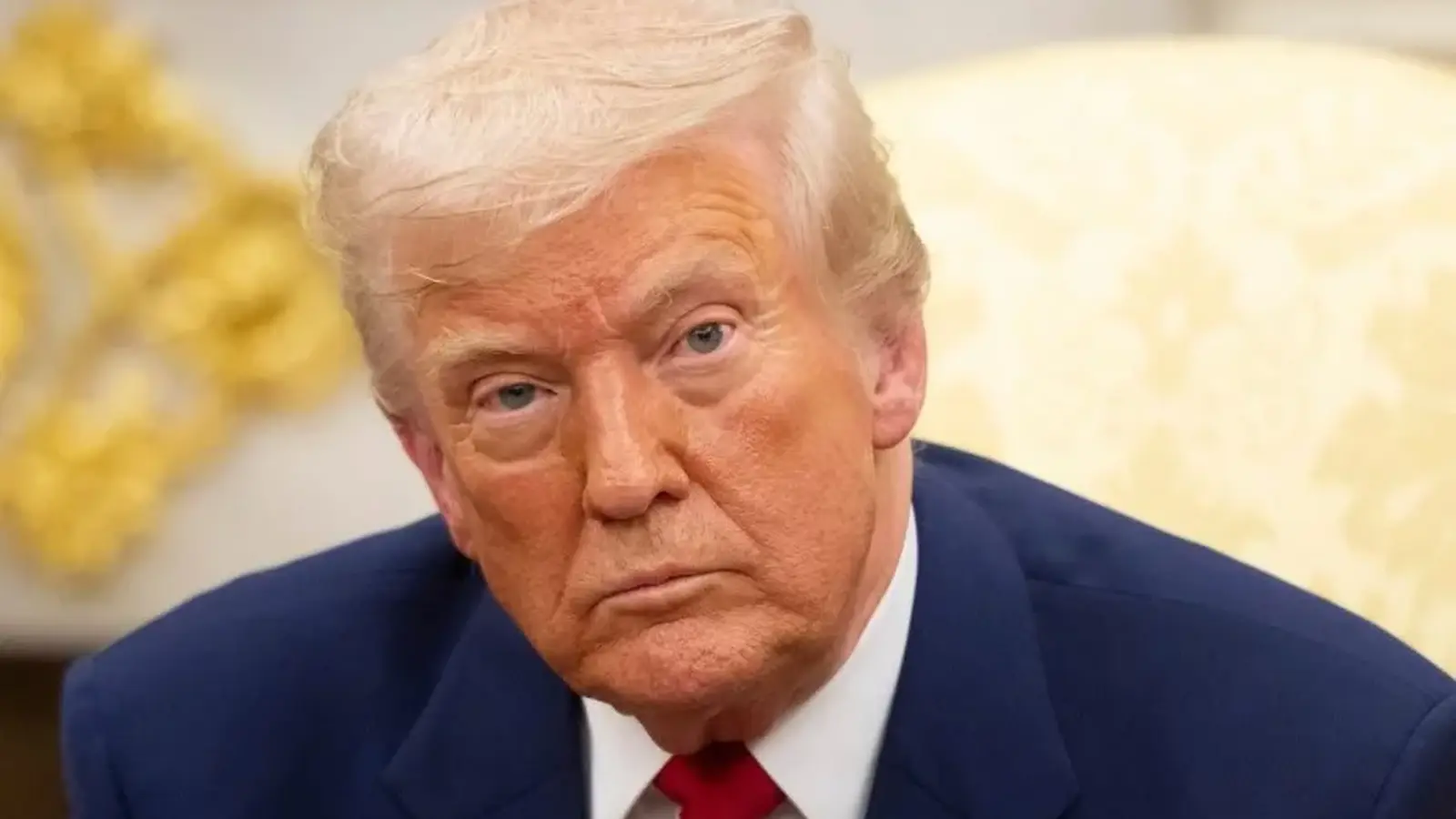
Donald Trump has turned a European antitrust penalty into a potential trade showdown. He posted on Truth Social that his administration will launch a Section 301 probe in response to fines levied against American tech firms, singling out a recent $1 billion penalty against Google.
Trump wrote that 'the United States is not Europe's piggy bank and we will not allow it', and announced immediate action to investigate what he called unfair practices that hurt US companies and taxpayers.
Brussels fined Google for giving preferential treatment to its travel and shopping services in search results and for allegedly blocking developers from advertising alternative payment methods in Google Play. The commission framed both findings as violations of the Digital Markets Act, the sweeping 2022 regulation used to reprimand big tech firms such as Meta, Apple and now Google.
After the US Supreme Court struck down the previous administration's global tariffs in February, the Trump team has pointed to Section 301 of the 1974 Trade Act as an alternate legal path. Section 301 lets the United States Trade Representative investigate trading partners and, if it finds practices that unfairly limit US commerce, impose tariffs in response.

The administration says it will open a Section 301 investigation that could lead to heavy tariffs on the European Union.
Legal scholars note that Section 301 actions are not ironclad. Like the EU's fines, tariffs imposed under this authority can be challenged in US courts and potentially overturned. So this gesture is both political signaling and a procedural opening salvo — loud, but not final.
What happens next matters beyond headlines. A tit-for-tat escalation could squeeze transatlantic tech companies, complicate supply chains and force governments to choose between regulatory priorities and trade stability. Or the fight could settle into courtrooms and negotiation rooms, where most of these disputes ultimately land.
Either way, the clash spotlights a growing tension: when domestic regulation bites foreign firms, trade policy quickly becomes the next arena — and nobody should assume the ripple effects will stop at tech alone.

Leave a Comment
Comments
No comments yet. Be the first.