
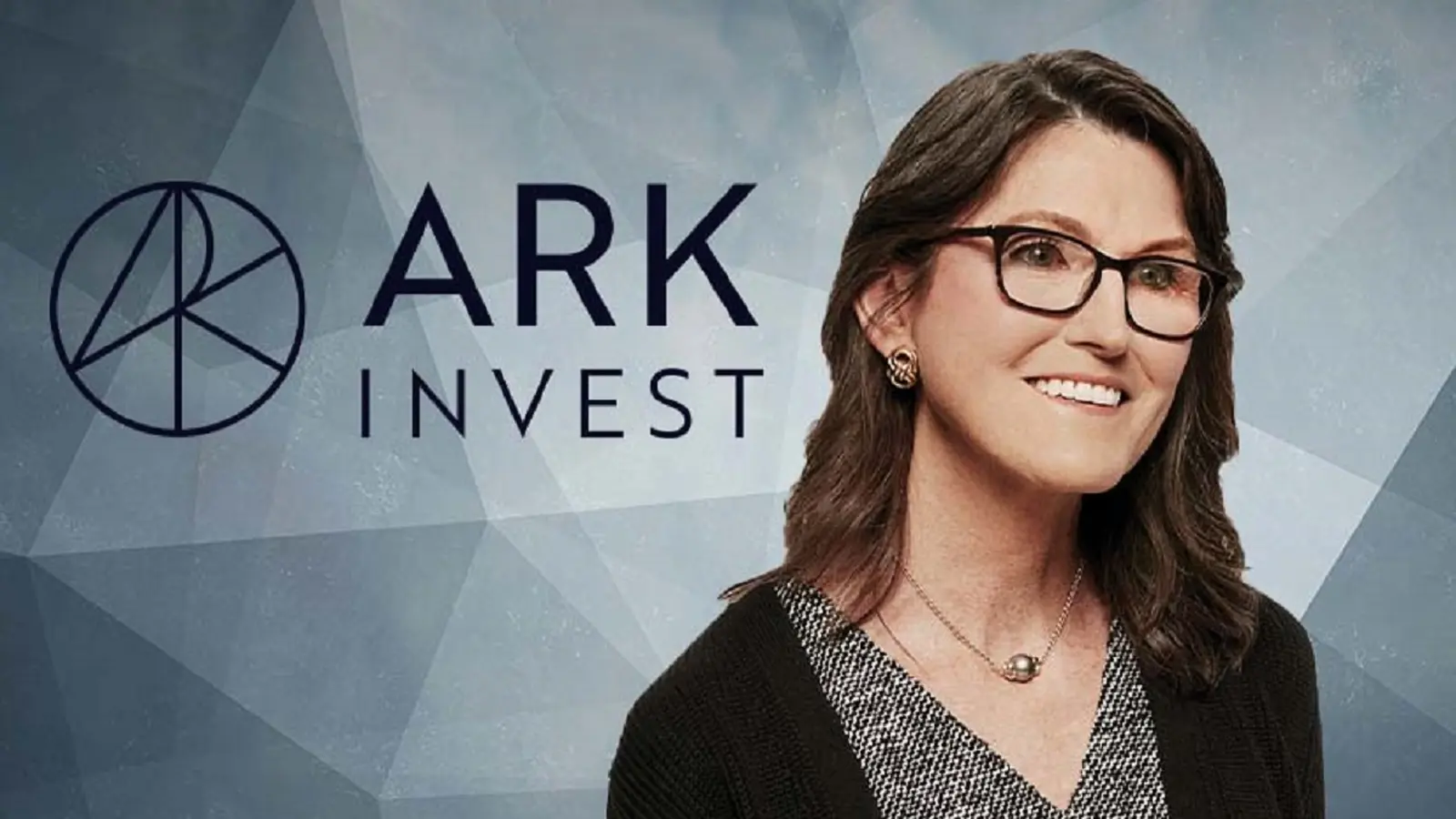
ARK Invest increases Circle stake after New York charter approval
Cathie Wood’s ARK Invest boosted its exposure to Circle by acquiring 109,129 shares after the stablecoin issuer secured a New York limited-purpose trust charter. The move underscores institutional interest in regulated stablecoin infrastructure as Circle advances USDC issuance under tighter state and federal oversight.
How ARK’s purchases break down
ARK’s daily filings show the firm bought Circle stock across three ETFs, totaling roughly $6.83 million based on Circle’s July 31 close of $62.61. The purchases included:
- 77,103 shares through the ARK Innovation ETF (ARKK)
- 22,238 shares via the ARK Next Generation Internet ETF (ARKW)
- 9,788 shares in the ARK Fintech Innovation ETF (ARKF)
These transactions increase ARK’s exposure to Circle at a time when regulated stablecoin infrastructure and custody models are attracting investor attention amid broader crypto and tech market volatility.

Regulatory milestone: Circle receives New York trust charter
The New York Department of Financial Services (NYDFS) granted Circle Internet Trust Company LLC a limited-purpose trust charter, allowing the entity to operate as Circle New York Trust. This state-level charter permits approved virtual currency activities and fiduciary services, and — unlike a BitLicense alone — enables certain money transmission functions without a separate state money transmitter license.
Circle said it intends to gradually migrate USDC issuance to the New York trust entity, which will work in tandem with Circle National Trust, the federally chartered national trust bank approved by the Office of the Comptroller of the Currency (OCC) earlier in July. That federal charter, granted July 10, enables the national trust to offer fiduciary custody services and could be expanded to include reserve management for USDC if regulatory approvals and business plans align.
What this means for USDC and regulated stablecoins
Together, the NYDFS and OCC charters create separate but complementary regulatory frameworks for Circle’s operations: the state trust will be supervised by NYDFS for its approved virtual currency and fiduciary activities, while the OCC will oversee the national trust bank. For investors and institutions, the dual oversight could provide clearer compliance pathways and bolster confidence in USDC as a regulated digital dollar.
However, regulatory approvals do not eliminate market risks. USDC growth, interest-rate pressure, competitive stablecoin alternatives, and company-specific valuation dynamics remain important factors that could influence Circle’s stock and the broader stablecoin market.

Market reaction and ARK’s broader trading activity
Despite the NYDFS approval, Circle shares (CRCL) closed down 2.54% at $62.61 on July 31, trimming investor enthusiasm that had lifted the stock about 10% on July 10 after the OCC decision. The dip reflects ongoing pressure in the technology and digital-asset sectors, where macro trends and rate sensitivity continue to weigh on stock performance.
ARK’s Circle purchase followed a series of other trades by the firm on July 31. Alongside the Circle buys, ARK added 298,243 CoreWeave shares, 12,512 shares of the 3iQ Solana Staking ETF, 7,500 Pony AI shares and 2,700 Kodiak AI shares. The firm also trimmed positions in several tech names including Shopify, Cloudflare, CrowdStrike, Snowflake, 10x Genomics, Komatsu, Brera Holdings, Iridium Communications and Figma.
ARK’s view on crypto sector consolidation
ARK’s digital assets research team has signaled that consolidation is likely across crypto businesses, with revenue and investment becoming concentrated among fewer companies. Lorenzo Valente, ARK’s digital assets research director, forecasted more acquisitions, bankruptcies and targeted talent deals as the sector matures — a trend that may increase the strategic value of regulated stablecoin providers and custody platforms.
Looking ahead: Circle’s upcoming earnings and strategic priorities
Investors will get another data point when Circle reports second-quarter 2026 results on Aug. 5. That earnings release should shed light on whether regulatory progress is translating into stronger USDC activity, revenue growth and clearer paths for reserve management or custody services under the new trust structures.
Circle CEO Jeremy Allaire has framed the New York trust charter as a long-term objective that delivers regulatory clarity for USDC as institutional adoption of digital dollars expands. The company’s dual-charter approach — state and federal — aims to position USDC within established fiduciary and supervisory frameworks, which could be meaningful as stablecoins play a larger role in payments, DeFi, and cross-border liquidity solutions.
Risks and implications for investors
Despite regulatory milestones and ARK’s strategic purchases, investors should weigh several risks: exposure to interest-rate cycles that affect reserve yields, competition from other regulated and unregulated stablecoins, operational and custody execution risks, and the broader market environment that influences tech and crypto valuations. Regulatory approvals reduce some uncertainty, but they do not guarantee accelerated revenue or share-price appreciation.
For crypto-focused investors and institutions, ARK’s $6.8 million buy signals continued interest in companies that build regulated stablecoin infrastructure and custody solutions. As Circle integrates its New York and national trust structures, market participants will watch USDC issuance flows, custody activity and reserve management decisions for signs that regulation is translating into tangible business growth.
Overall, ARK’s purchase is a measured bet on regulated stablecoins and Circle’s role in the evolving digital-dollar ecosystem — one that will be tested by upcoming financial results and ongoing macro and sector-specific developments.


Leave a Comment
Comments
No comments yet. Be the first.