
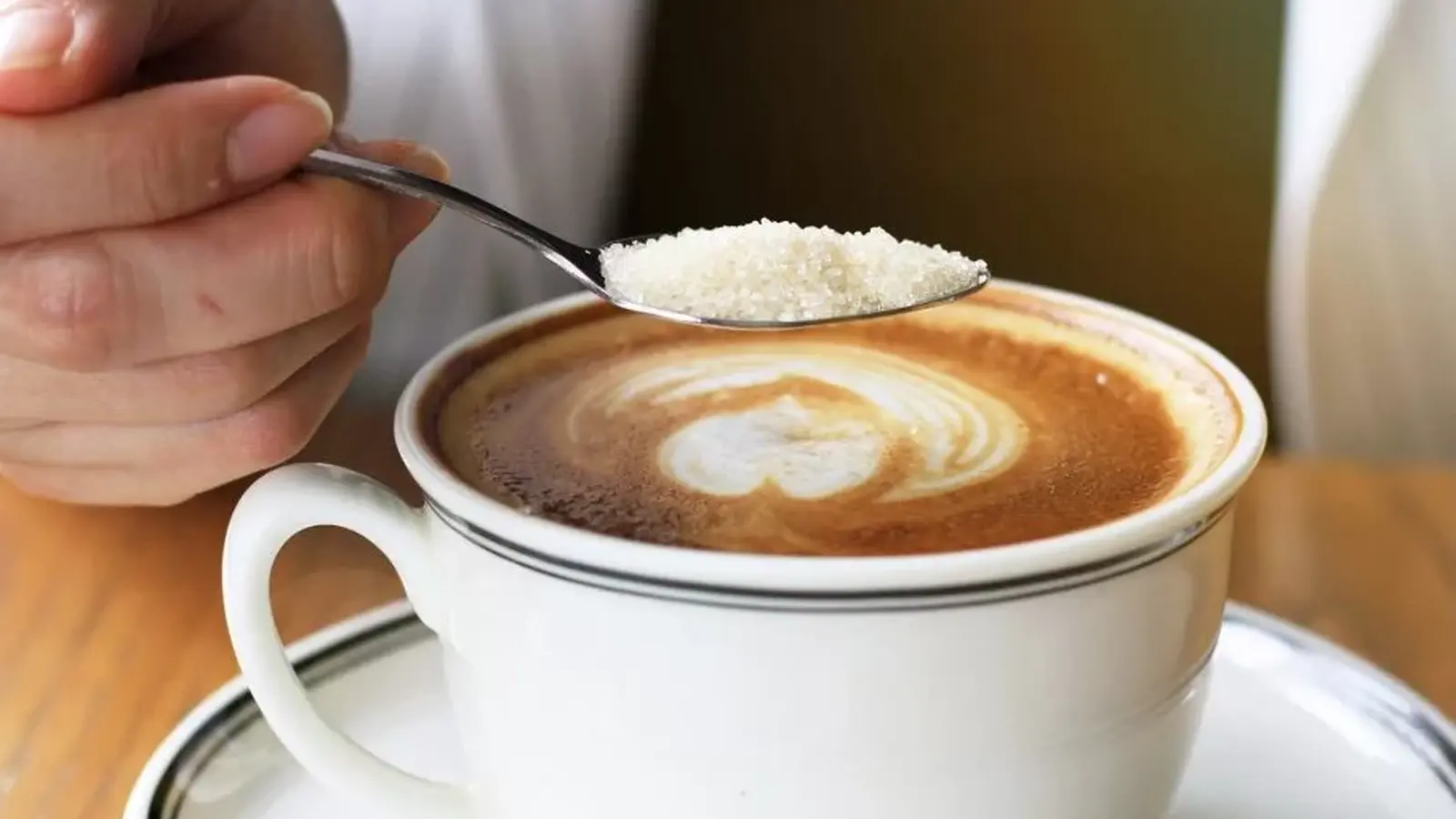
Imagine a sugar that doesn’t just sweeten your drink but quietly hands cancer cells the tools to scatter. It sounds like a line from a thriller. But researchers at the Wistar Institute have uncovered evidence that fructose—an ordinary dietary sugar—can promote the spread of residual cancer cells after chemotherapy.
Ovarian cancer patients typically receive platinum-based chemotherapy and many respond well at first. Yet for a troubling number, the disease returns and spreads throughout the abdominal cavity. That spread—metastasis after treatment—is responsible for roughly 90 percent of deaths from ovarian cancer. Scientists have long suspected that the cells which survive therapy play an outsized role in relapse. The new study digs into how those survivors communicate and mobilize.
Using CRISPR and other molecular tools, the team mapped how fructose alters the local tumor environment. The surprising mechanism centers not on energy alone but on cholesterol. Fructose suppresses cholesterol synthesis in neighboring cells. Cholesterol may be best known for heart health, but at the cellular level it acts like biological glue—helping cells cling to one another. Reduce the glue, and cells can peel away. The consequence: weakened cell–cell adhesion and an increased propensity for cancer cells to detach and seed distant sites.

Here’s the worrying twist. The researchers found that the same signal appears even when chemotherapy hasn’t been given: oral intake of high amounts of fructose can trigger similar changes. Fructose is abundant in sweetened beverages and high‑fructose corn syrup. In countries such as the United States, that sugar can make up a significant portion of daily calories for many people.
So, does this mean patients should immediately eliminate fructose? Clinical trials testing dietary restriction in cancer patients have not yet been done, so the evidence isn’t there to prescribe a universal diet change. Still, the discovery strengthens the idea that what we eat could directly influence tumor behavior and recurrence risk.
The Wistar team also believes this cholesterol-squelching pathway may not be exclusive to ovarian tumors. Tumors in the abdominal cavity—pancreatic, colorectal and liver cancers, for example—might respond similarly. Follow-up experiments are already underway to see whether the phenomenon repeats across different cancer types.
Published in Nature Aging and reported in outlets such as Medical Xpress, the work reframes a familiar nutrient into a biological signal that can alter tumor dynamics. It raises a simple but unsettling question: could a common component of processed food be nudging dormant cancer cells back into motion? The answer will shape how oncologists and nutrition scientists think about diet and survivorship in the years to come.

Leave a Comment
Comments
No comments yet. Be the first.