
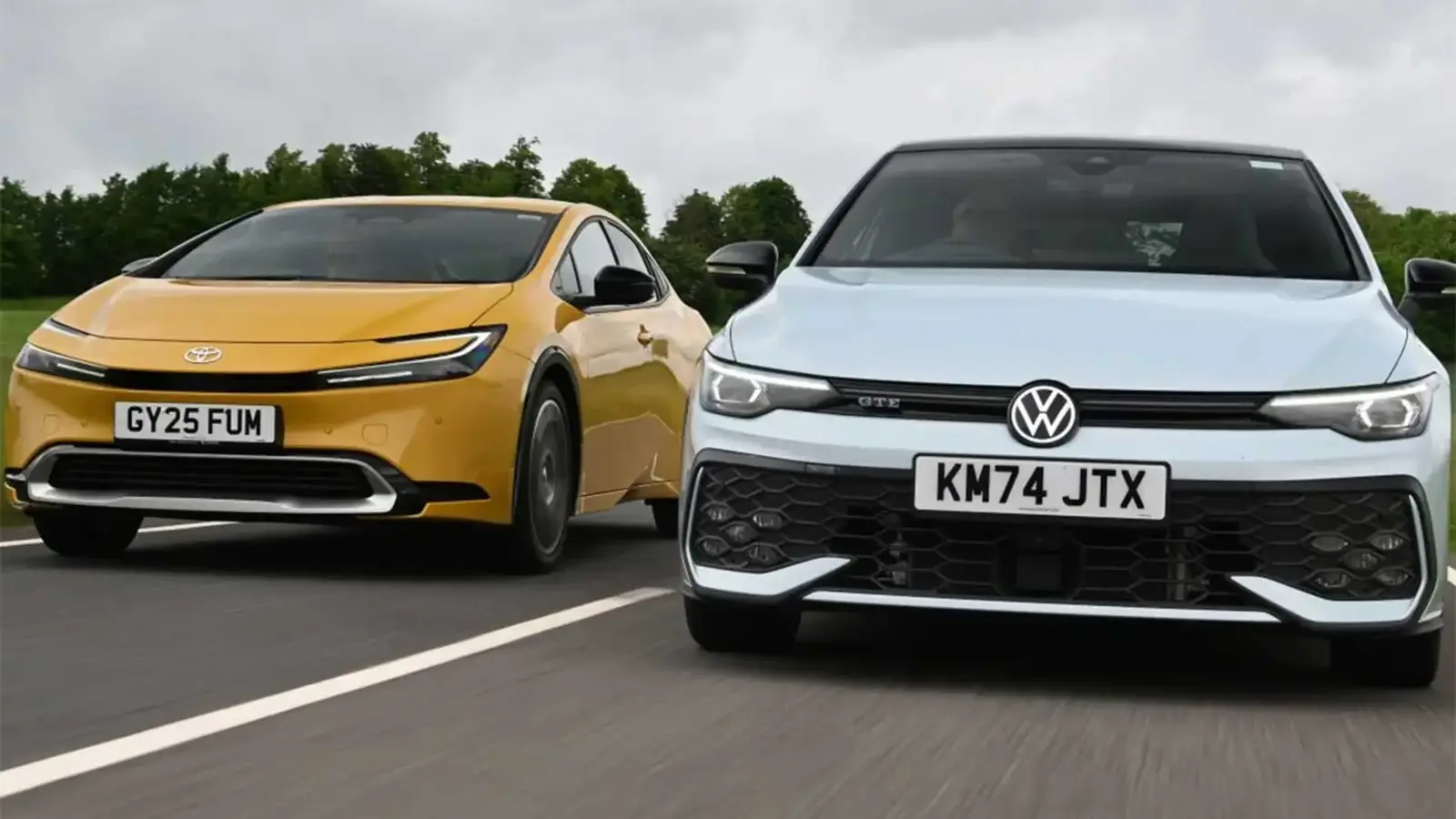
Toyota Extends Lead Despite Slight Sales Drop
Toyota remains the world's top automaker for the first half of the year, widening its advantage over Volkswagen Group to roughly 1.2 million vehicles. Between January and June Toyota delivered about 5.39 million cars across its brands, a 2.8 percent decline year-on-year — its first six-month fall in two years — yet still a comfortable margin ahead of Volkswagen, which sold around 4.13 million units.
Strategy of diverse powertrains pays off
Critics have charged Toyota with moving too slowly toward full electrification. But the Japanese giant's multi-powertrain approach, offering internal combustion, hybrid, plug-in hybrid and battery-electric models, appears to be working. Hybrid demand remains a core strength while early EV entries have begun to add momentum to domestic sales.
Highlights:
- Global deliveries (Jan–Jun): Toyota ~5.39 million, Volkswagen Group ~4.13 million
- Toyota maintained the top spot for the seventh consecutive first half
- Hybrids and EVs set new mid-year records for Toyota

Regional performance: winners and weak spots
Toyota's performance varies markedly by market. Domestic sales in Japan rose 4.4 percent to about 1.1 million units, helped by the arrival of the bZ4X electric crossover and refreshed models that boosted showroom traffic. Overseas deliveries, however, slipped 4.5 percent to roughly 4.3 million units.
The steepest decline came in China, where deliveries fell 17.1 percent to approximately 694,670 units amid a broader slowdown in the Chinese auto market. In the Middle East, regional instability and the knock-on effects on global oil prices contributed to a 21.6 percent drop in sales.
North America provided a stabilizing force, with Toyota delivering about 1.45 million vehicles in the first half, up 0.9 percent and helping offset falls in other regions.
Electrified vehicles: growth but still a small slice of the mix
Toyota reported strong growth in electrified models:
- Hybrid vehicle sales rose 9.1 percent to about 2.71 million units
- Battery-electric vehicle deliveries increased 2.4 times to 193,172 units
While EVs still represent a relatively small portion of Toyota's overall volume, both hybrid and electric numbers set new mid-year records, underscoring steady adoption and the brand's transition path.
"Toyota is proving that a broad powertrain lineup can be an effective market strategy during an uneven recovery," said one industry analyst. "They are cushioning regional downturns with strong hybrid demand and selective EV rollouts."

Market implications and what to watch next
Toyota's ability to stay ahead of Volkswagen highlights several industry trends. Consumers remain price- and range-sensitive in many markets, favoring hybrids where charging infrastructure is limited. At the same time, EV take-up is accelerating from a smaller base, especially where new models are promoted aggressively.
Key things to monitor in the coming months:
- How Toyota scales EV production and introduces more battery-electric models worldwide
- Volkswagen Group's response as it advances its own EV lineup
- The trajectory of China's auto market recovery and regional geopolitical impacts on demand
Toyota's mid-year results tell a story of resilience and strategic balance: a temporary overall sales dip, but growth in electrified segments and a sustained lead in global volume. For car buyers and industry watchers, the next chapters will reveal whether a multi-powertrain strategy remains the fastest route to long-term leadership in an electric future.
.avif "Toyota Highlander Goes All-Electric as Toyota Accelerates EV Transformation by 2028")

Leave a Comment
Comments
No comments yet. Be the first.