
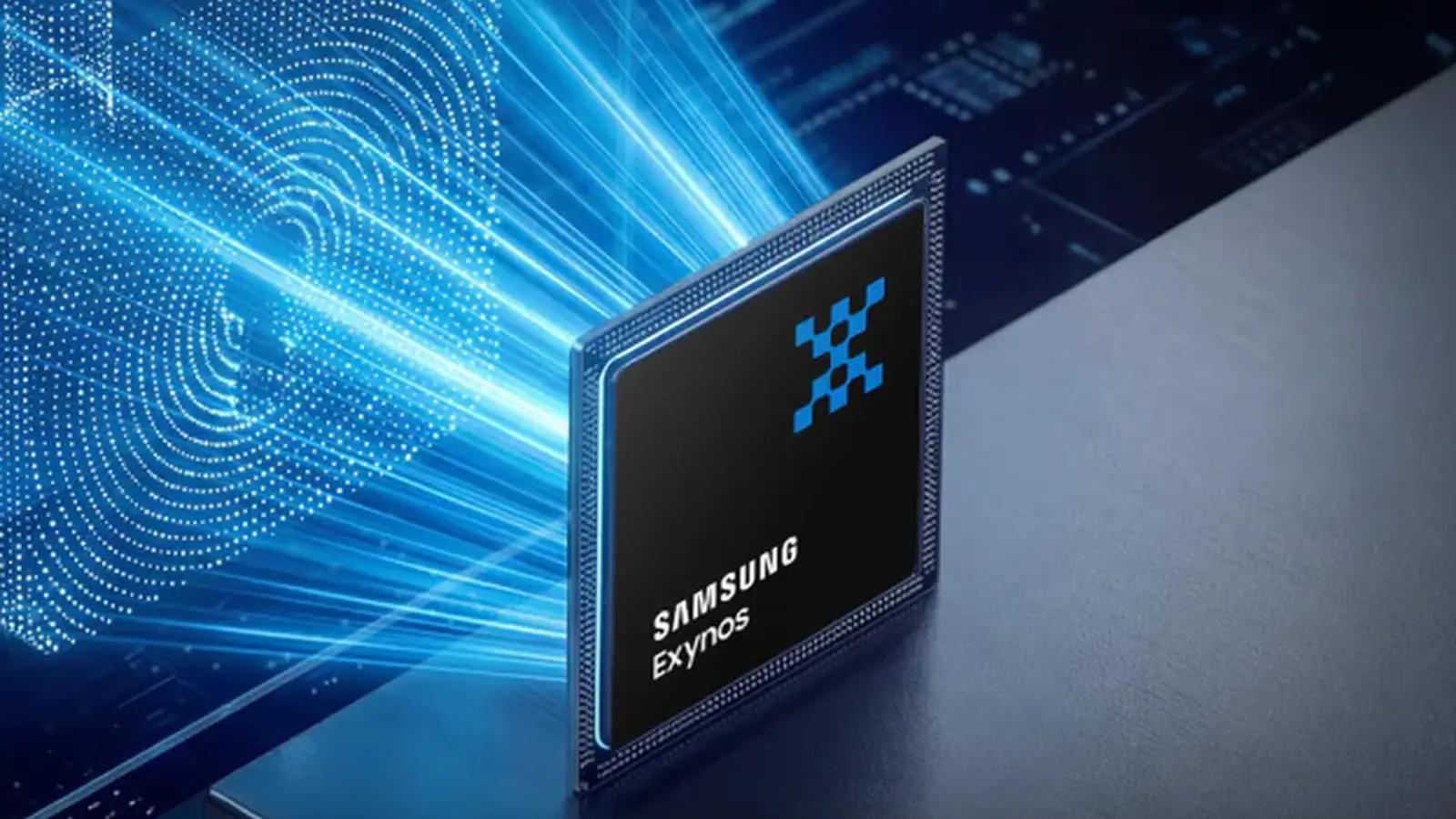
Samsung's Exynos pulled off something of a stealth comeback this year. Not with fanfare, but with numbers that stick.
Global smartphone System-on-Chip shipments slipped in early 2026 as rising memory prices nudged handset costs upward and buyers hit the brakes. Demand cooled. Shipments fell. Yet amid that slow-down, Exynos climbed.
Exynos' share rose to 8% in H1 2026, up from 5% in the same period a year earlier. That gain stands out because the overall chipset pie shrank, not expanded.
A fresh analysis from Counterpoint Research breaks down the market: Samsung was one of only three vendors to grow share year-over-year. The other two names on that short list were Apple and Unisoc. It’s a selective group—so what did Samsung do differently?

Part of the answer is product mix. The Galaxy S26 series, Samsung’s marquee launch for the first half of 2026, returned to a dual-supplier approach. Unlike the S25 lineup, which leaned entirely on Qualcomm’s Snapdragon, the S26 shipped with both Snapdragon and Samsung’s own Exynos chips in different regions. It’s simple math in practice: more Exynos-equipped phones, more chipsets shipped.
But numbers rarely tell the whole story. Pricing pressures from memory chips changed buyer behavior across the board. Manufacturers passed higher component costs down the chain, and many consumers postponed upgrades. Shipments dropped, yet Samsung managed to capture a bigger slice of a smaller market. That suggests not only better allocation of Exynos units into flagship devices, but also effective supply-side decisions while rivals adjusted to cost pressures.
There’s a subtle shift here: market share gained not because the category exploded, but because Samsung placed its in-house silicon where it mattered most. The Galaxy S26 sold well. Strategy met opportunity.
Watch the chipset map closely. A tight market produces sharper moves, and Exynos has just made one.

Leave a Comment
Comments
No comments yet. Be the first.