
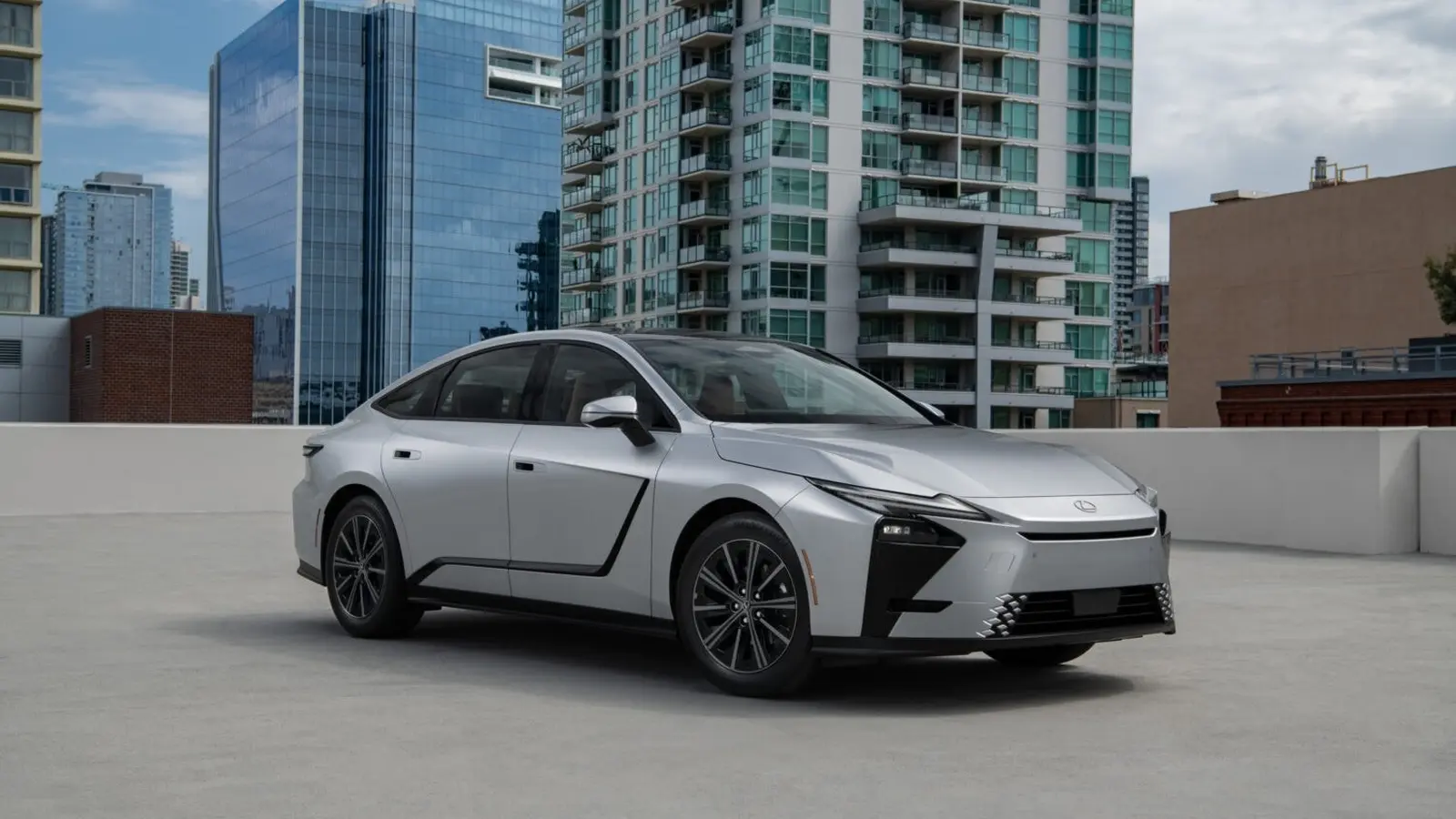
Key update: hybrid returns, EVs stay put
Lexus has quietly expanded its eighth-generation ES range for 2027 by adding the ES 350h hybrid to the roster, while its battery-electric ES models—the FWD ES 350e and AWD ES 500e—carry over with no mechanical changes. The move arrives as the luxury brand deals with a modest sales dip in the United States, where deliveries fell to under 170,000 units in the first half of the year.
Why this matters
After launching the all-new ES family in 2026 with EVs arriving first, Lexus encountered a tricky transition: loyal buyers accustomed to gasoline and hybrid powertrains faced limited inventory and a fast model changeover. That disrupted ES sales even as crossover SUVs and electrified models generally sustained strong demand for the brand. Reintroducing a familiar hybrid option for 2027 aims to broaden appeal and stabilize retail momentum.

Market context
BMW kept the lead in the premium segment across the U.S., with nearly 187,000 deliveries driven largely by crossover SUV volume. Lexus remains a close contender, but the ES series specifically showed a noticeable drop as the lineup shifted toward battery-electric variants.
2027 Lexus ES 350e and ES 500e: what's unchanged
The battery-electric ES 350e and ES 500e return unchanged for 2027. The ES 350e will be available at dealerships in September with a starting MSRP of $47,610 excluding destination charges. Standard equipment continues to include Lexus Safety System+ 4.0, the new Lexus Interface with a 14-inch touchscreen, and a 12.3-inch multi-information display. The FWD BEV carries an EPA-estimated driving range of 307 miles.
Introducing the ES 350h: hybrid specifics
The headline for many buyers is the new-for-2027 ES 350h. Built on the same global architecture and sharing exterior and interior styling with the BEV siblings, the ES 350h brings Lexus’ sixth-generation hybrid system to the sedan range.

- Powertrain: 2.5-liter four-cylinder gasoline engine paired with an electric starter-generator and a motor-generator integrated into an electronically controlled CVT (front-wheel-drive standard)
- Output: combined 244 horsepower for both FWD and AWD versions
- Fuel economy: EPA-estimated 46 MPG combined for the front-wheel-drive model
- AWD option: an additional rear electric motor that powers the rear axle on demand, improving traction without a mechanical driveshaft
Visually, the hybrid is differentiated only by a revised upper front bumper intake and a conventional fuel door on the driver-side rear quarter panel.
Trims and pricing
The ES 350h will be offered in Premium and Premium+ trims. Base pricing starts at $51,200; with the destination processing charge of $1,395 included, pricing moves to about $56,000. That positioning makes the hybrid slightly more expensive than a comparably equipped ES 350e Premium, which starts around $49,005 with destination processing included.
Features and technology highlights
The ES lineup continues to emphasize tech and safety:
- Lexus Safety System+ 4.0 as standard
- Lexus Interface infotainment on a 14-inch touchscreen
- 12.3-inch multi-information display
- Luxury touches across Premium and Premium+ trims

What this means for buyers
For buyers deciding between BEV and HEV, the choice boils down to range preferences, charging access, and price sensitivity. The ES 350e offers an attractive 307-mile EPA estimate and lower starting MSRP, while the ES 350h delivers outstanding fuel economy and the convenience of a conventional refueling model plus optional AWD for less dependence on charging infrastructure.
Quote highlight:
'Lexus is trying to balance its appeal to traditional hybrid buyers while continuing its push into battery-electric vehicles,' an industry analyst observed.
Whether the hybrid addition will reverse the ES decline depends on inventory, dealer allocations, and how rapidly shoppers adapt to the mixed powertrain strategy. So, are you team ES 350e or ES 350h?


Leave a Comment
Comments
No comments yet. Be the first.