
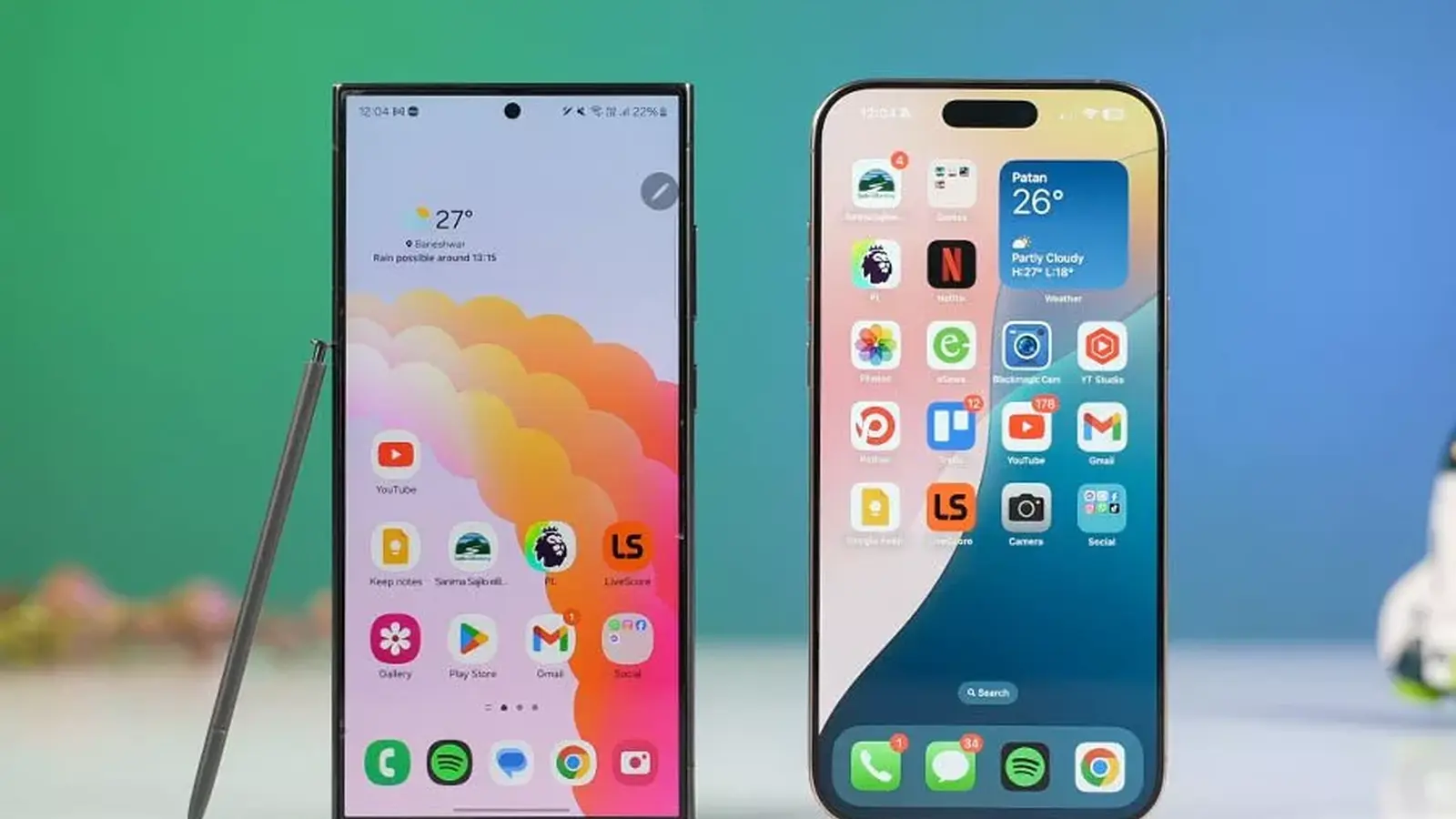
Big brands are gaining ground while the rest of the market slips. Counterpoint Research’s latest snapshot reads like a cautionary tale for mid-tier and value-focused makers: Apple and Samsung widened their foothold in India, Latin America and Europe even as overall smartphone shipments shrank.
India is a prime example. Between late March and early August, shipments fell about 14% year‑on‑year compared with the same stretch in 2025. The post‑July lull was stark — three consecutive weeks of declines after the big discount season ended. Yet Apple managed a standout performance, posting roughly 15% growth. Short answer? Strong iPhone 17 demand and continued, targeted affordable offers. Samsung and Oppo saw only modest gains in India — around 4% each — underscoring how premium momentum helped Apple punch above its weight.
Latin America tells a similar story but with sharper pain: Q2 smartphone volumes dropped about 10%, the region’s steepest annual decline since Q3 2023. Apple and Samsung were the exceptions, rising roughly 5% and 6% respectively, while Motorola, Honor and Xiaomi slid. Part of Apple’s edge appears strategic: the company absorbed some component cost increases instead of passing them fully to buyers, preserving demand for higher‑priced handsets. Today, Apple controls roughly half of the market for phones priced over $600 in that region — a major foothold for profit‑rich devices.
Apple and Samsung now each hold about 34% of the European smartphone market. That sentence should land. European shipments fell about 10% to roughly 35 million units in Q2 — the weakest second quarter in three years. Apple’s share jumped by nine percentage points, enough to tie Samsung. Xiaomi trails in third with about 15%, and no other brand exceeds a 4% share. The upshot: the European battleground is consolidating fast, and scale matters more than ever.
China’s market hasn’t been spared. Through the first 30 weeks of the year, smartphone sales dropped about 8.6%. After the 618 shopping festival, declines returned to double digits. Apple’s sales momentum cooled from July onward as dealer discounts faded and much of the summer buying had already been front‑loaded during earlier promotions. In short: when the promotions stop, demand that was pulled forward leaves a vacuum.
What happens next? Counterpoint expects the downtrend to persist until Apple unveils its next iPhone generation. Add to that a constrained memory supply and higher component prices, and you have a recipe for muted recovery. Analysts predict these supply and price headwinds could linger through the end of 2026, with a meaningful market rebound unlikely before 2028.
Marketing tactics, product mix and the ability to absorb cost pressure are separating winners from the pack. The broader market slowdown is real and widespread, but scale, brand loyalty and a solid premium lineup are proving powerful defenses. For smaller brands, the question is stark: double down on differentiation, or risk being chewed up in a consolidating market?


Leave a Comment
Comments
No comments yet. Be the first.