

Eyes on the road: why drowsiness detection matters
Modern cars are no longer just mechanical machines — they're rolling computers packed with sensors and software designed to keep occupants safe. Among the most important of these systems is driver drowsiness detection, a subset of ADAS (Advanced Driver Assistance Systems) that spots signs of fatigue and warns the driver before a dangerous lapse occurs. The Centers for Disease Control and Prevention (CDC) estimates about 1 in 25 adults have fallen asleep at the wheel, and studies cited by AAA link drowsy driving to 21% of fatal crashes. That makes fatigue detection a critical safety feature for today’s vehicles.

How the systems work: cameras, sensors and algorithms
There are two main approaches manufacturers use to detect driver fatigue: direct monitoring of the driver and indirect monitoring of driving behavior.
In-cabin cameras and driver monitoring systems
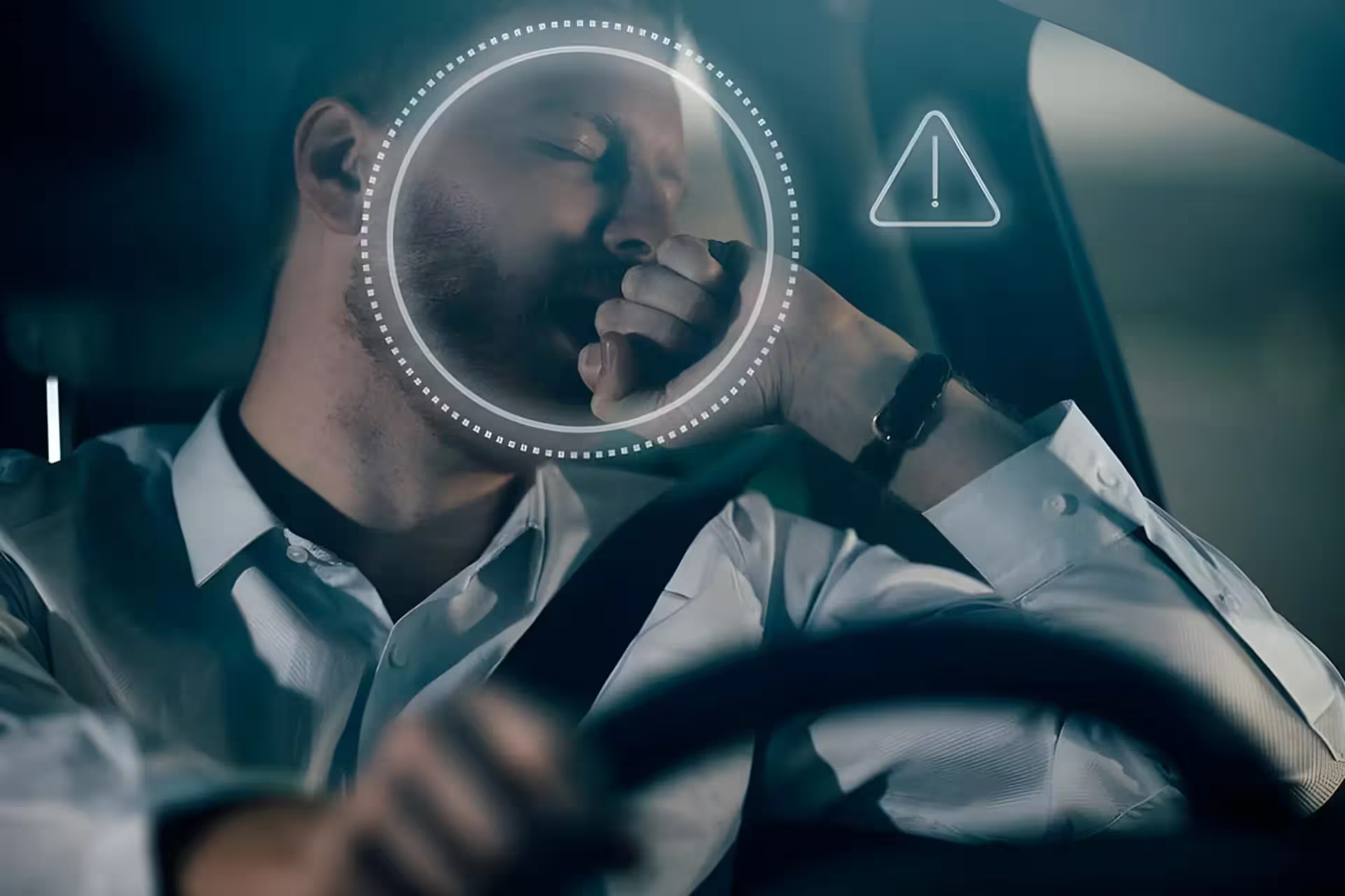
The most accurate systems use an in-cabin camera — often infrared for night operation — pointed at the driver. Machine learning models analyze live video for facial cues such as: - Eye closure percentage and blink rate - Yawning frequency - Head pose and nodding or drooping - Micro-expressions and facial orientation
These systems can quantify metrics like PERCLOS (percentage of eye closure) and combine them into a fatigue score. Many OEMs and suppliers continuously refine these models through over-the-air updates, enabling better detection as more real-world data becomes available.

Sensors and vehicle-behavior monitoring
Indirect detection relies on how the car is being driven. Sensors that feed into these systems include: - Steering angle sensors (detecting micro-corrections and erratic steering) - Lane-keeping cameras (detecting unintended lane departure) - Vehicle speed and longitudinal control inputs - GPS and route context (time-of-day and trip length)
When subtle, repetitive steering corrections or lane wander increases, the system can infer reduced driver attention or fatigue and alert the driver.
What signals are combined?
Top-tier systems fuse dozens of inputs. For example, Bosch’s approach reportedly evaluates around 70 different signals — combining facial states, steering behavior, trip duration, turn-signal usage, and even time of day — to produce a much more reliable assessment than any single metric could.

Alerts, interventions and limitations
Most systems use a tiered alert strategy: - Visual warnings on the instrument cluster (common is a coffee-cup icon) - Audible chimes or spoken alerts - Haptic feedback such as steering-wheel vibration
Some vehicles go further and use GPS to suggest nearby rest areas or coffee stops, sometimes even offering route-based recommendations. However, current production systems generally cannot force a vehicle to stop or shut off the engine; they are designed to warn and encourage corrective action rather than take full control.
Who offers these systems?
Many mainstream automakers include some form of driver monitoring. Tesla, Ford, Honda, and Mercedes-Benz all offer attention-monitoring features in various models, and supplier companies like Bosch and Continental provide components and software used across multiple brands.
Privacy and learning your behaviors
Because these systems can learn patterns of driver behavior over time, some consumers worry about privacy. Data collection practices vary by manufacturer: some systems process video locally and do not transmit identifiable images, while others may anonymize or aggregate data for algorithm improvement. Always review your vehicle’s privacy policy if this is a concern.
Practical tips and real-world impact
While technology helps, it is not a substitute for responsible driving. Consider these practical rules: - Take regular breaks on long trips — every 2 hours or 100 miles is a common recommendation. - Avoid driving during your normal sleep hours if possible. - Use voice alerts and haptic feedback as prompts to stop and rest.
Quote: 'A warning is only effective if the driver acts — the systems are designed to nudge, not replace, human judgment.'
What’s next for fatigue detection?
Expect sharper, more reliable systems as vehicle cameras, infrared sensors, and AI models improve. Regulatory pressure and consumer demand may push manufacturers to standardize certain driver-monitoring capabilities across model lineups. Eventually, tighter integration with autonomous driving functions could allow the vehicle to take safer, limited actions if the driver does not respond — but for now, the technology’s primary role remains alerting the human behind the wheel.
Bottom line
Driver drowsiness detection is a rapidly evolving area of automotive safety that blends in-cabin vision, vehicle behavior analysis, and machine learning. While current systems can significantly reduce risk by alerting sleepy drivers, they still rely on drivers to take corrective action. For car buyers, choosing a model with a robust driver-monitoring system is a meaningful step toward safer long-distance travel and peace of mind on busy roads.
.avif "36 Cars, 216 Crashes: Tesla Shines in China's Ultimate Real-World Highway ADAS Challenge")

Leave a Comment
Comments (2)
Is this even reliable at night or with sunglasses? sounds neat but worried about false positives and drivers ignoring alerts. Anyone tried it long term?
Wow never thought my car could 'judge' my yawns lol, kinda cool, kinda creepy. If it saves one life tho fine. But who owns the data, and what about false alarms?