
2 Minutes
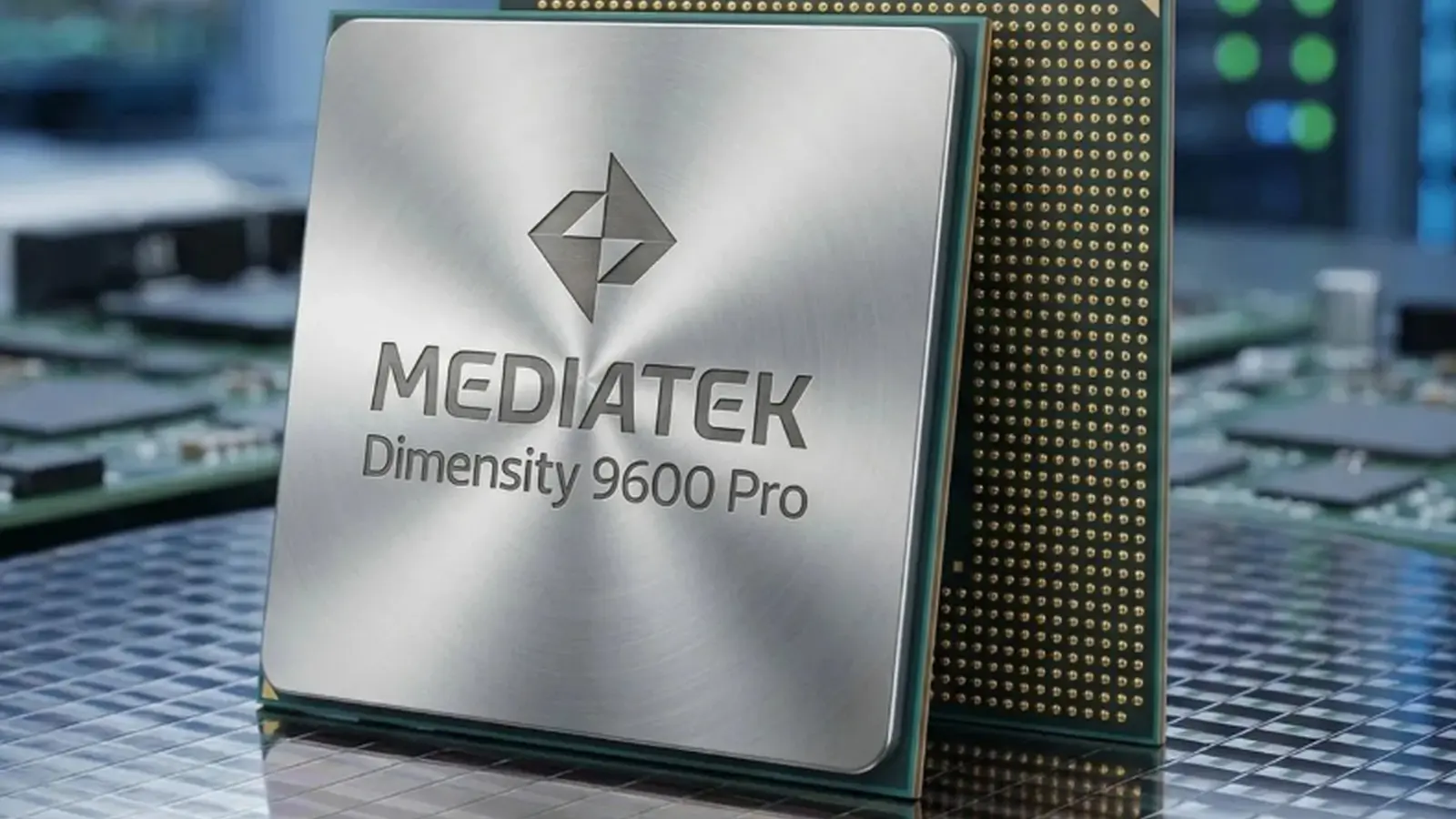
The chip race just got louder. MediaTek has stamped a date on the calendar: Sept. 15 at 2:30 PM local time in China, when it will pull the curtain back on the Dimensity 9600 Pro — a processor teased as the company’s first 2nm flagship.
Why does that matter? Smaller node, smarter silicon. Early reports point to TSMC’s second-generation N2P process for the Pro variant, while a standard Dimensity 9600 is said to stick to 3nm. In plain terms: the 2nm route promises better performance at the same power draw, or similar performance with lower energy use. That’s the sort of efficiency leap handset makers crave when battery life and thermals can make or break the user experience.
Gaming looks to be a headline feature. MediaTek’s teasers name-check AI-assisted GPU rendering, an upgraded StarSpeed Engine, and hardware-accelerated ray tracing — a combination aimed at richer visuals without frying your phone. Content creators aren't left out either: the chip reportedly supports 4K slow-motion capture at 240fps and ships with extra tools for mobile video workflows. Think console-like effects squeezed into a pocket device.

Under the hood, the Dimensity 9600 Pro is expected to follow an eight-core layout with quite ambitious clock speeds: two high-performance cores at 4.55GHz, three at 4.35GHz, plus three efficiency cores at 3.10GHz. Graphics duties may fall to a Mali-G2-Ultra-NX MC12 GPU. Leak-adjacent Geekbench runs on a Vivo X500 Pro Max allegedly cleared the 4,000 mark in single-core tests and topped 13,000 in multi-core — numbers that would put MediaTek squarely in flagship territory.
Which phones will showcase the silicon? Early candidates include Vivo’s X500 Pro and X500 Pro Max and Oppo’s Find X10 Pro Max. Manufacturers often stagger releases, so expect MediaTek to outline partner plans and performance targets at the event itself.
Sept. 15 will reveal whether MediaTek’s Pro badge matches the specs on paper — and whether 2nm delivers the real-world gains gamers and creators are waiting for.
Stay tuned: the coming announcement could reshape expectations for what a smartphone SoC must do next.

Leave a Comment
Comments
No comments yet. Be the first.