
4 Minutes
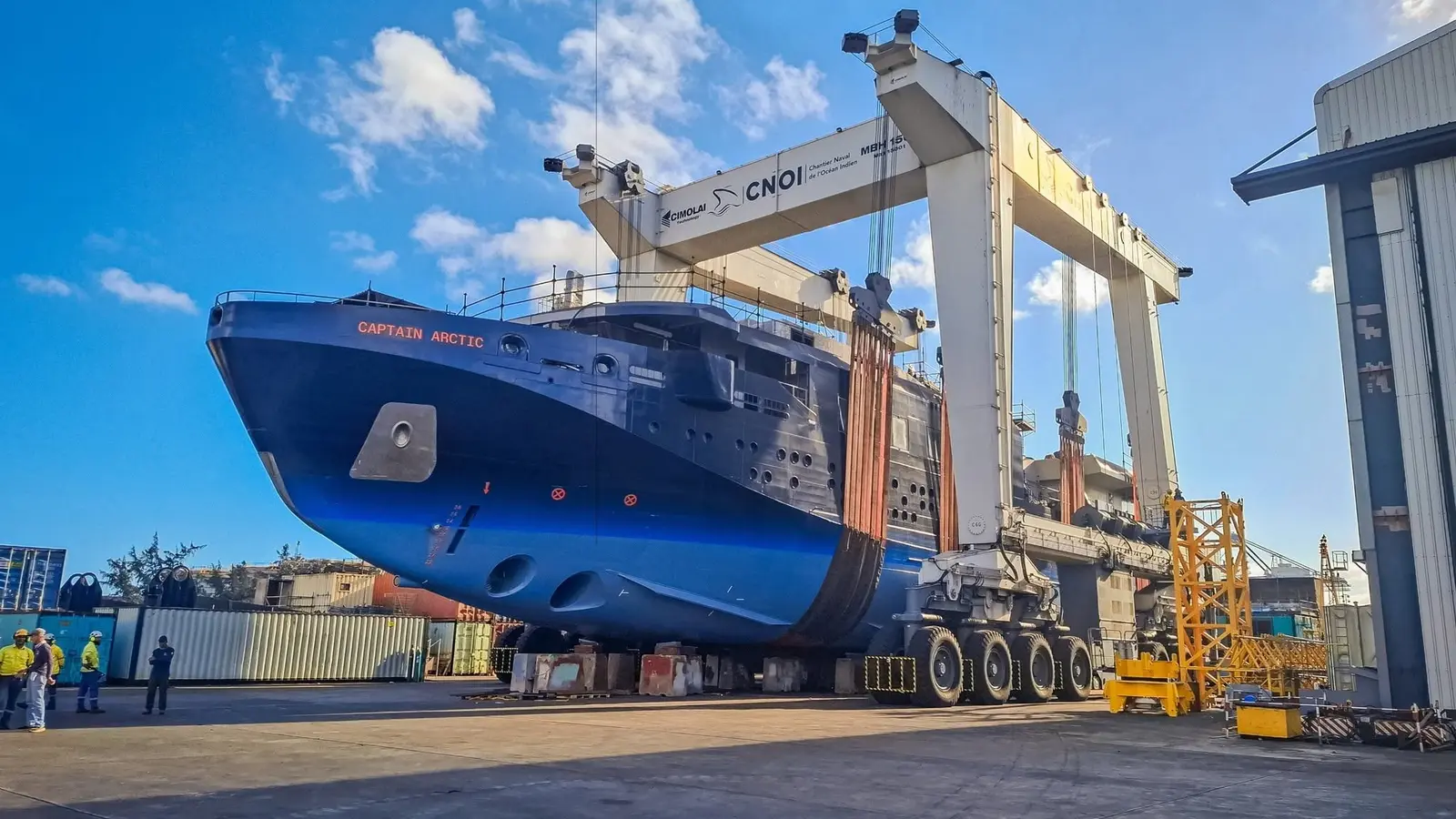
Captain Arctic floated out in Mauritius — a milestone for green marine engineering
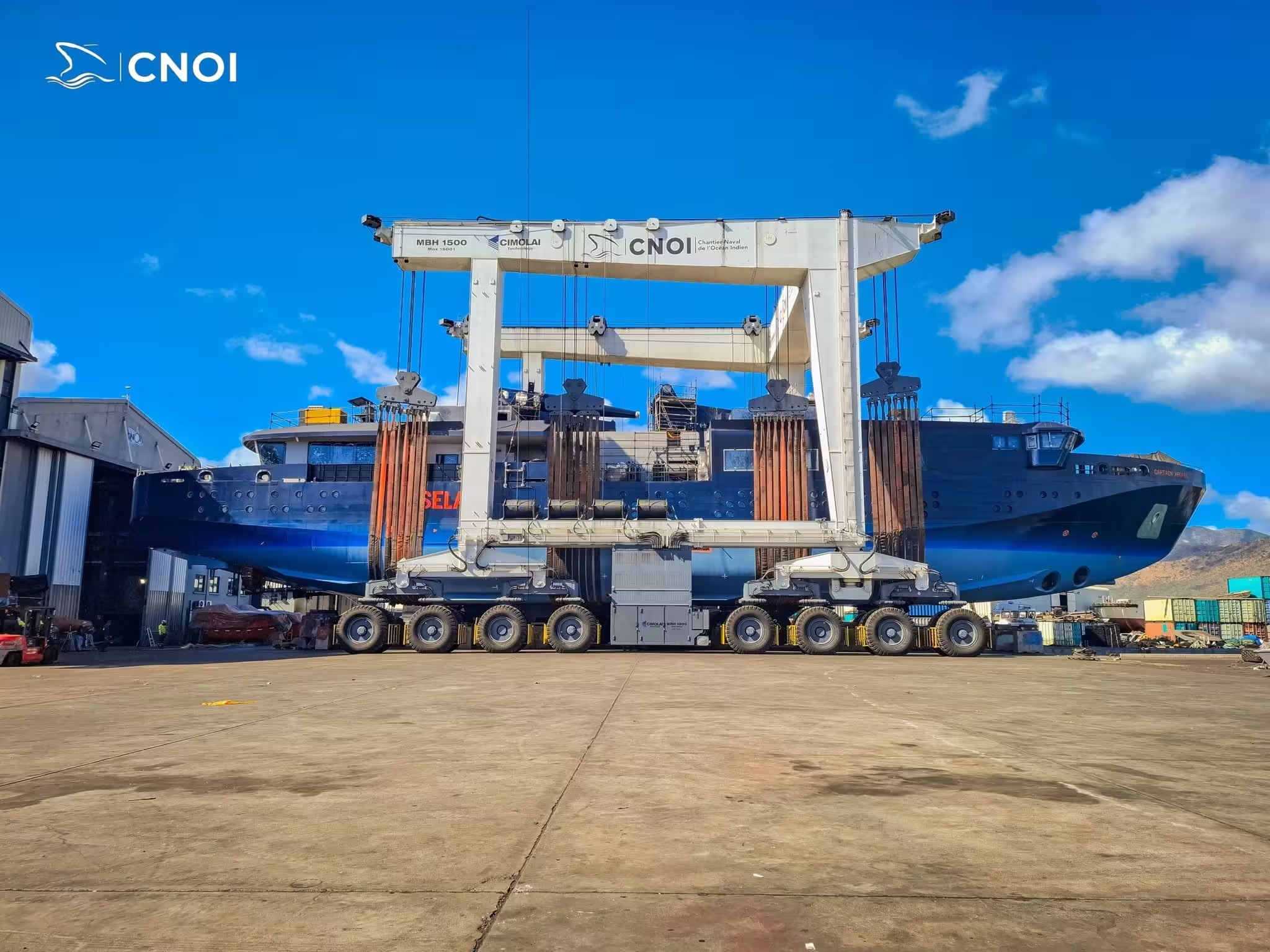
The near-zero-emission expedition vessel Captain Arctic, developed and operated by French startup Selar, has been floated out at the CNOI shipyard in Mauritius and is on track for delivery before the end of the year. Built for polar itineraries in Norway and Greenland, this 70-meter (230 ft) ship aims to rewrite the rules for sustainable expedition travel by blending wind, solar and electric propulsion technologies.
Solar wings and solid sails: a hybrid powertrain for the sea
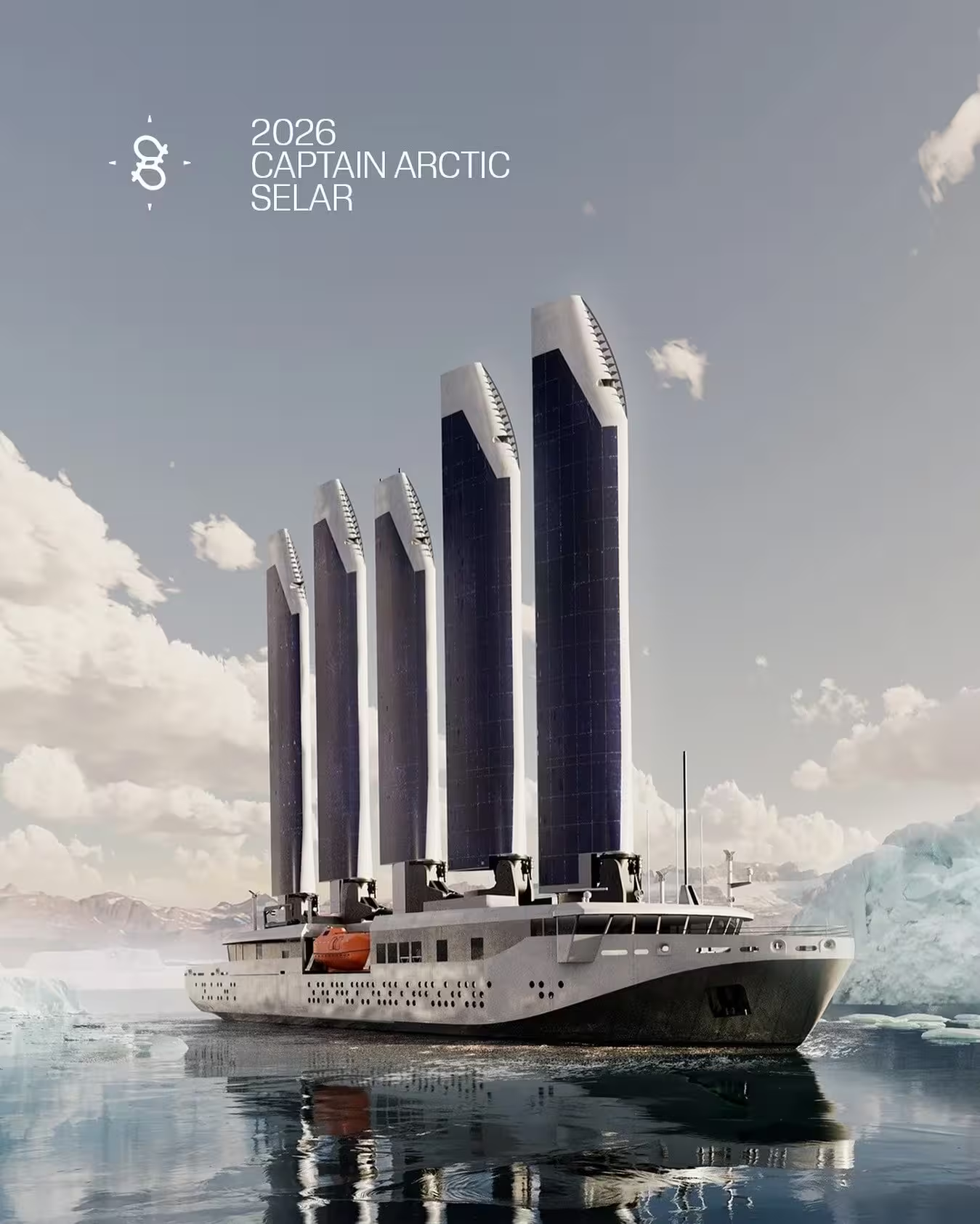
One of the most striking engineering features is the ship’s five aluminum solid sails, each standing about 35 meters (115 ft) tall and covered in roughly 1,858 m2 (20,000 sq ft) of photovoltaic panels. In July the yard installed the first two 10-ton "solar wings" — a complex lift operation requiring high-precision planning. The sails are foldable for low-clearance ports, marrying robust polar performance with practical flexibility.
Captain Arctic’s propulsion strategy borrows concepts familiar to the automotive world: combine multiple energy sources and capture energy that would otherwise be lost. The vessel has two propeller shafts that can generate electricity as hydro turbines, extending range and smoothing speed control—similar in spirit to regenerative braking in EVs. Onboard energy management integrates solar input, hydro generation and battery storage to optimize efficiency and predictability.
Highlights
- Length: 70 m (230 ft)
- Sails: 5 solid aluminum sails, 35 m tall
- Solar area: ~1,858 m2 (20,000 sq ft)
- Guest capacity: 36 passengers; Crew: 24
- Builder: CNOI (Chantier Naval de l’Ocean Indian), Mauritius
- Delivery: scheduled before year-end; inaugural 2027 season sold out
Sustainable systems beyond propulsion
The design goes beyond renewable power. Onboard reverse osmosis systems will produce fresh water from seawater, reducing the need for resupply. Heating is handled by a pellet boiler using recycled wood-waste pellets rather than traditional heavy fuel oil. These measures reduce the ship’s environmental footprint and reflect a systems-level approach to sustainable mobility that the automotive sector is also pursuing through circular materials and low-emission heating.
"We wanted to create an expedition platform that respects fragile polar ecosystems," says a company spokesperson at Selar. "Captain Arctic combines proven marine engineering with renewable energy to offer a low-impact way to explore the Arctic."
Design, comfort and a different kind of voyage
More than a technology demonstrator, Captain Arctic positions itself in the niche of ultra-small, eco-focused expedition travel. With just 36 guests and 24 crew members, the onboard experience emphasizes intimacy, natural immersion and low-impact hospitality. Traditional cruise formats are set aside: dining is inspired by diners and basecamp cooking with communal service rather than individual ordering, and passengers are encouraged to unplug. Wi-Fi will be available, but a custom telegram-style service nudges guests toward a digital detox.
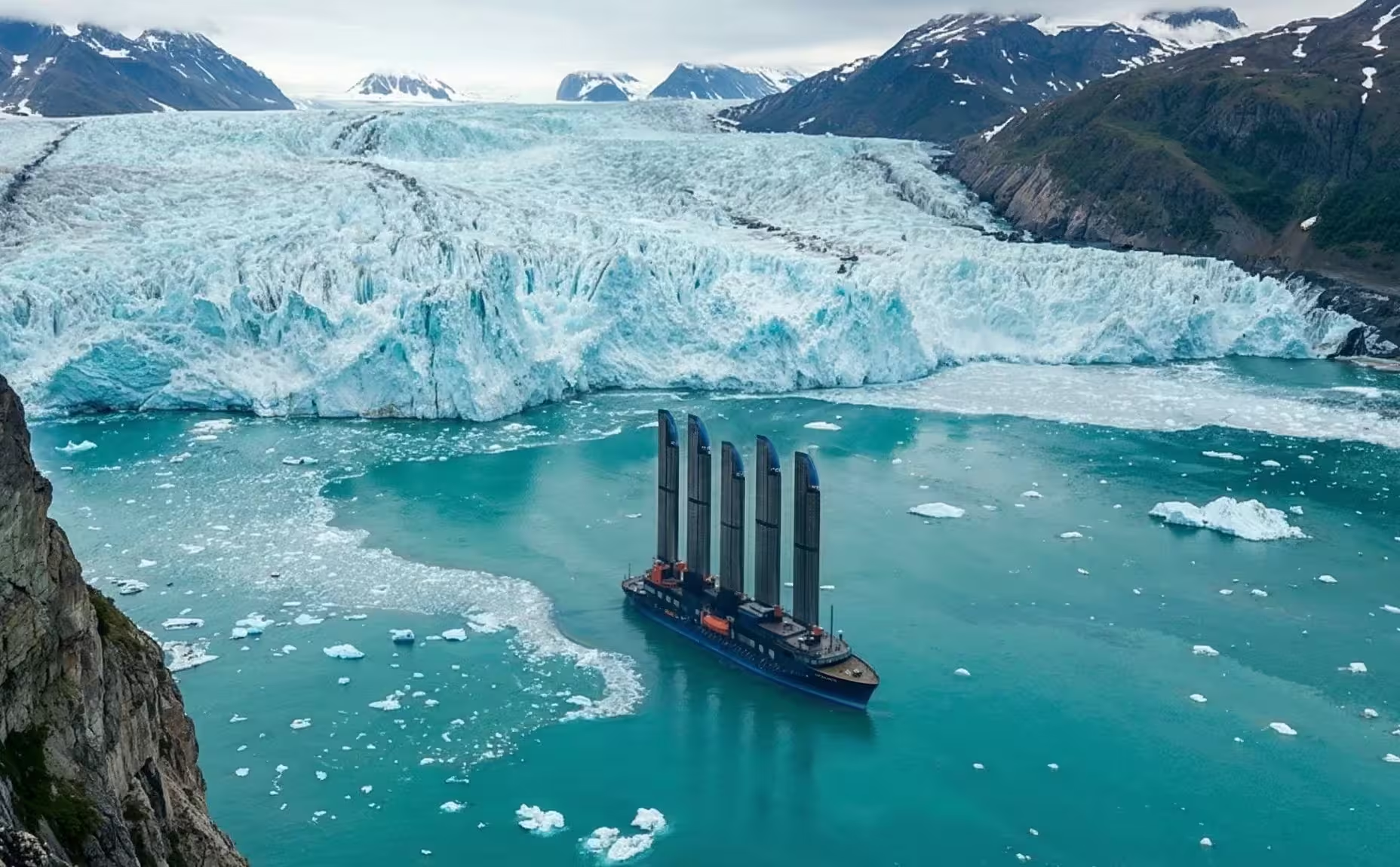
For automotive and marine technology enthusiasts, Captain Arctic provides an intriguing case study in cross-industry innovation. Solar integration on a moving platform, active hydro generation and advanced energy management mirror trends in electric vehicles — from solar roof experiments to hybrid powertrains and regenerative systems.
Market positioning and implications
Captain Arctic targets a growing segment of environmentally conscious travelers willing to pay a premium for low-impact, high-quality experiences. As major shipping and leisure fleets explore electrification and alternative fuels, this vessel could influence future designs for expedition yachts, ferries and small passenger ships. Its combination of renewables and mechanical generation offers a template for improving range and reliability without reverting to diesel as a primary fallback.
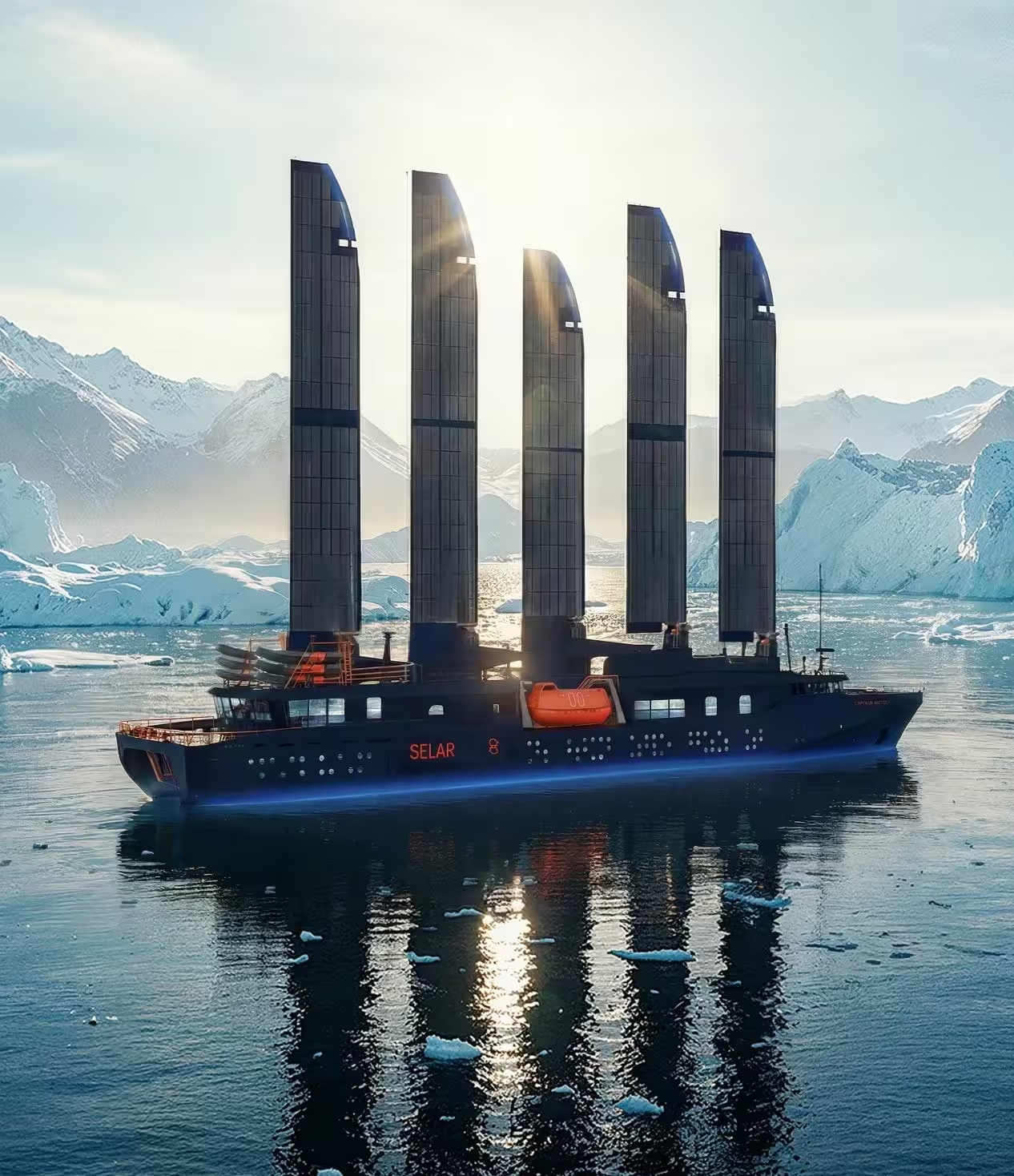
Comparisons to conventional diesel-powered expedition ships are compelling: lower operational emissions, reduced fuel logistics, and a design philosophy focused on conservation rather than conquest. That said, the niche remains small and specialized—this is not mass-market ferry technology—but it signals a direction many in maritime and automotive engineering are watching closely.

Captain Arctic is scheduled to enter service for the 2027 season, which is already sold out. Whether it becomes a one-off showcase or the first of many green expedition vessels will depend on operating economics, regulatory incentives and customer appetite for premium, sustainable travel. For car and marine tech fans, it’s an inspired demonstration of how renewable energy and clever engineering can meet the unique demands of polar exploration.

Leave a Comment
Comments (1)
Wow solar sails on a polar cruise? This is wild, hope maintenance isnt insane. 36 guests only, sounds dreamy but pricey. If real, bravo!