

Big cuts announced as JLR targets £1.7bn in savings
Jaguar Land Rover (JLR) has confirmed plans to shed roughly 4,000 roles by the end of 2028 in a cost‑saving restructuring that prioritises corporate and salaried positions. Management and office teams — particularly those based at Whitley in Coventry — will feel the greatest impact as the company opens a voluntary redundancy window ahead of any compulsory lay-offs. Staff have until October 4, 2026 to apply for voluntary redundancy.
Numbers at a glance
- Target headcount reduction: c.4,000 jobs (through 2028)
- Target savings: £1.7 billion by end of 2028
- Voluntary redundancy deadline: October 4, 2026
- Most affected: salaried and management roles in Whitley, Coventry

Why JLR is cutting jobs — and why engineers matter
On paper the decision is straightforward: revenues have slipped and costs must be lowered. JLR reported revenue of £22.9 billion for the financial year ending March 2026, down from around £29 billion two years earlier, a decline that has added urgency to restructuring plans. But the broader concern from industry watchers is strategic: trimming too deep into research and development risks eroding the technical talent that builds competitive next‑generation cars and electric vehicles (EVs).
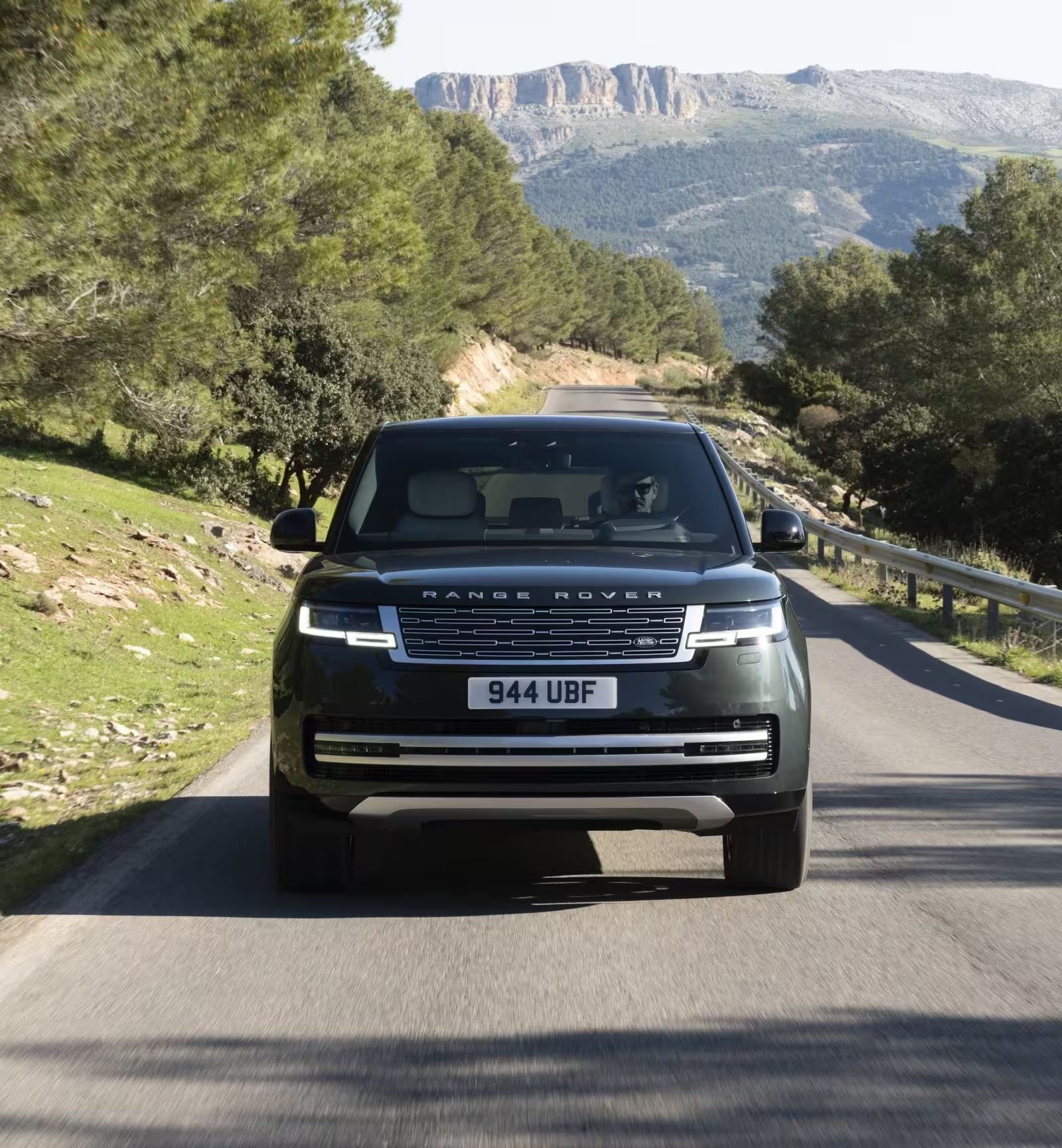
Administrative layers can be flattened relatively quickly. Rebuilding specialist engineering teams and embedded R&D capability is far harder. That loss could show up in delayed model launches, weaker software and battery development, and reduced innovation in areas like vehicle architecture, range optimization and driver assistance systems.
Regional ripple effects — West Midlands and suppliers
JLR sits at the heart of a large automotive ecosystem in the West Midlands. Local suppliers, engineering consultancies and service firms are closely tied to the manufacturer’s programmes. David Roberts, chairman of Coventry’s Evtec Group, has warned that hundreds of thousands of jobs could be indirectly linked to JLR’s fortunes — a figure often cited locally sits near 200,000 roles, though that number hasn’t been formally confirmed by JLR.
Even if production-line staff are largely protected, cuts among designers, systems engineers and procurement specialists will place extra pressure on the supply chain and the regional economy. Suppliers depend on ongoing programmes and R&D projects to maintain cashflow and retain skilled technicians.


Context: electrification, competition and other headwinds
JLR’s transformation to an electrified-first business has been underway for years. Jaguar’s I-Pace was an early EV flagship, and the brand used Formula E to develop and promote electric performance technology. But electrification is expensive: battery R&D, platform investments and software development add costs while global EV demand has been uneven, particularly at premium price points.
Compounding the challenge are external pressures:
- Intensifying competition from Chinese automakers offering attractive EV tech at lower prices.
- Ongoing fallout from the high‑profile 2025 cyberattack — one of the most damaging incidents in UK automotive history.
- Trade friction and US tariffs that hit European makers without large American production footprints.
What this means for JLR models and market positioning
For car enthusiasts and industry watchers, the key question is how these savings will be balanced against investment in product and technology. JLR must keep funding electrification programmes, battery development, software, and advanced vehicle architectures to remain competitive against lower-cost rivals and new EV specialists.
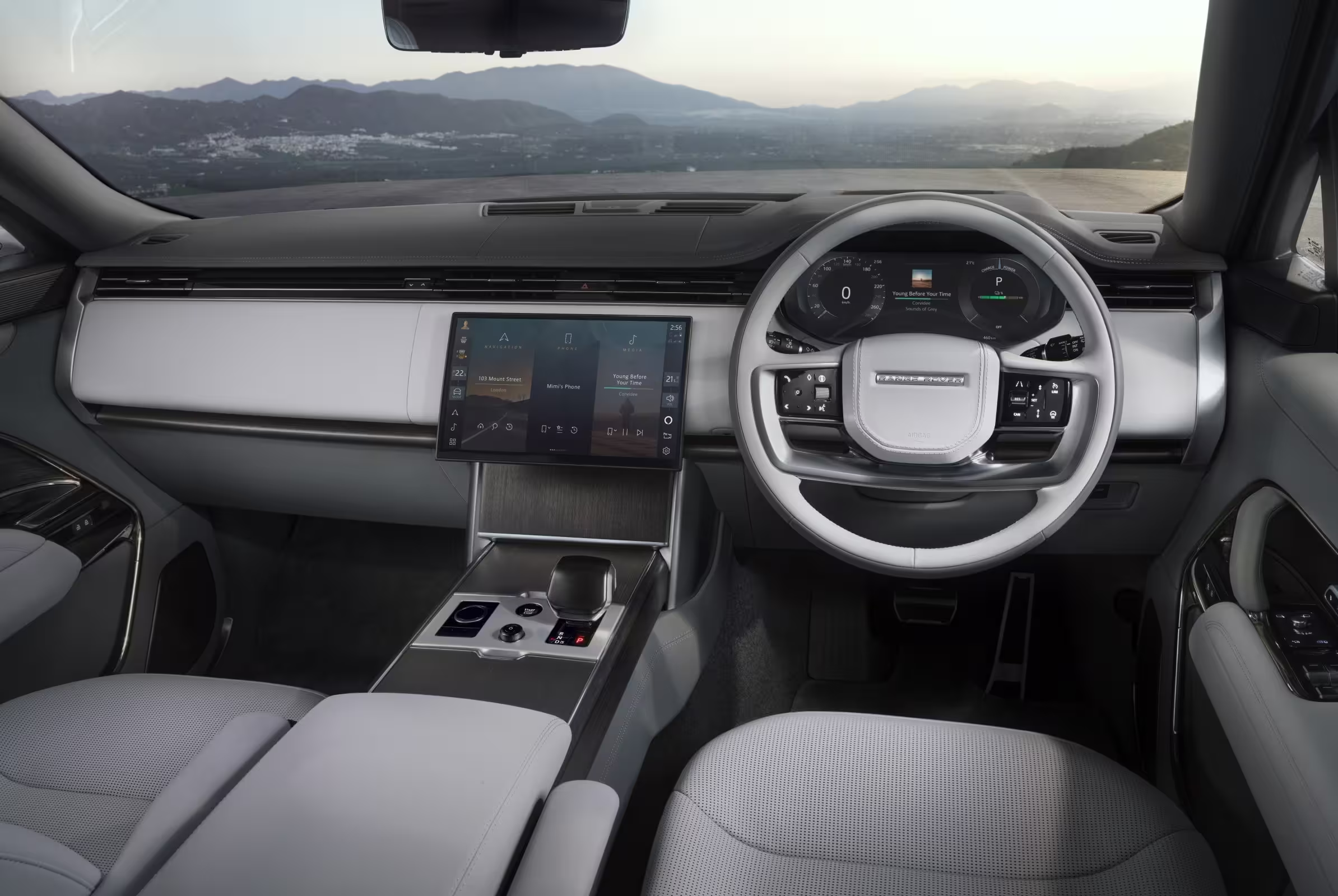
If cuts are focused narrowly on corporate overheads and duplicated roles, the company could emerge leaner without sacrificing core innovation. But if engineering and R&D budgets are trimmed substantially, future Jaguar and Land Rover models — from luxury SUVs to sporty EV sedans — could suffer in performance, range and tech content compared with rivals.
Quick takeaways
- JLR needs cost reductions and greater efficiency, but talent loss would be hard to reverse.
- Regional suppliers and the West Midlands economy risk knock-on damage.
- Electrification and software development must remain priorities to defend market share.
“The arithmetic is brutal,” says one industry analyst. Reducing costs is essential, but protecting the engineers and researchers who build future cars is equally critical. How Jaguar Land Rover balances those demands will determine whether the brand can pivot successfully into an electrified and software-driven era — or whether short‑term savings undermine long‑term competitiveness.


Leave a Comment
Comments (2)
Seen this before, worked at a Tier1 supplier, when engineers go projects stall and people leave, then budgets blow out, if that’s real then... ugh
Wait so 4k roles, mainly salaried? Is this even true… cutting R&D would be short sighted, tbh. What about suppliers?