
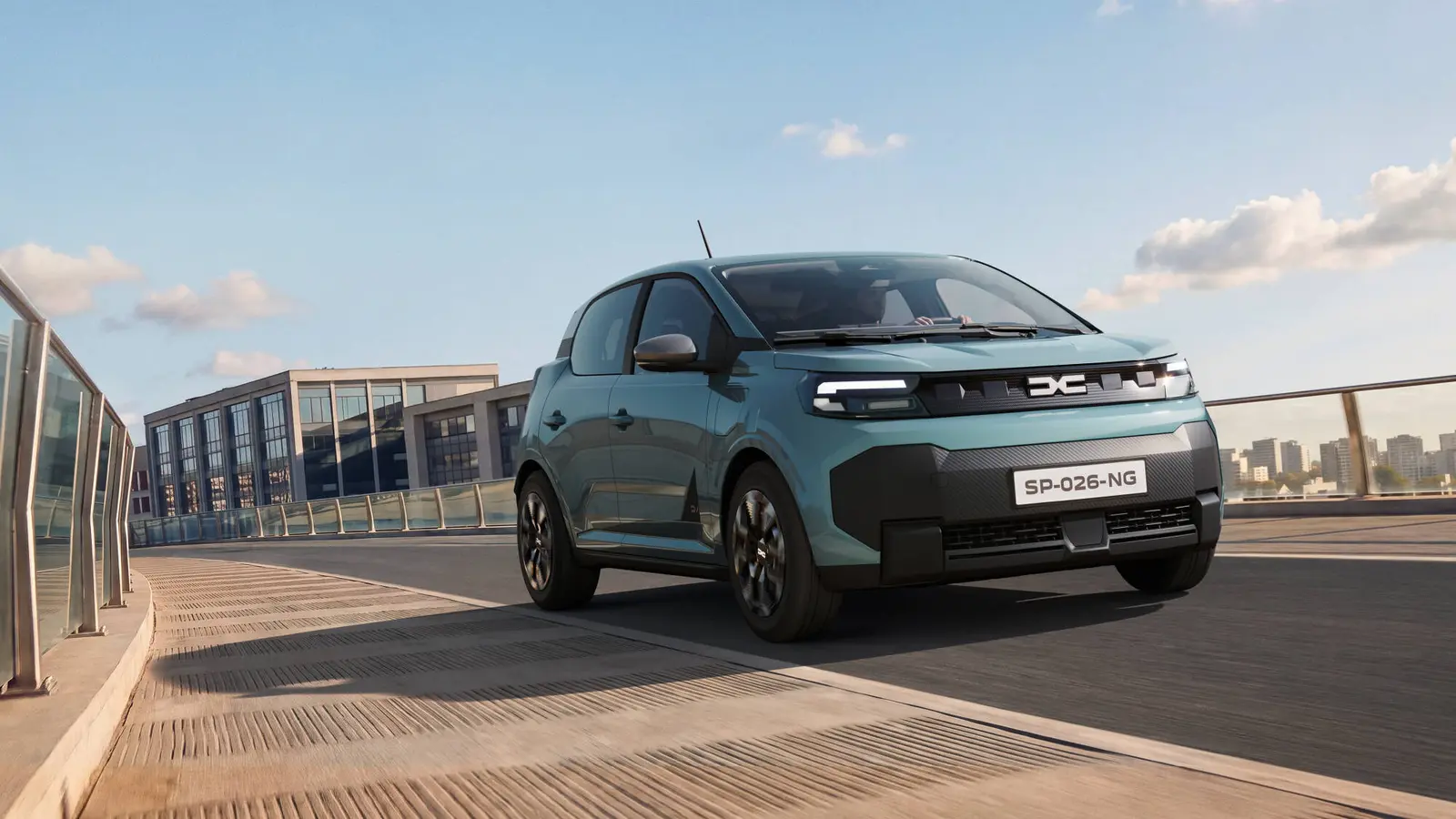
Fresh European take on the affordable city EV
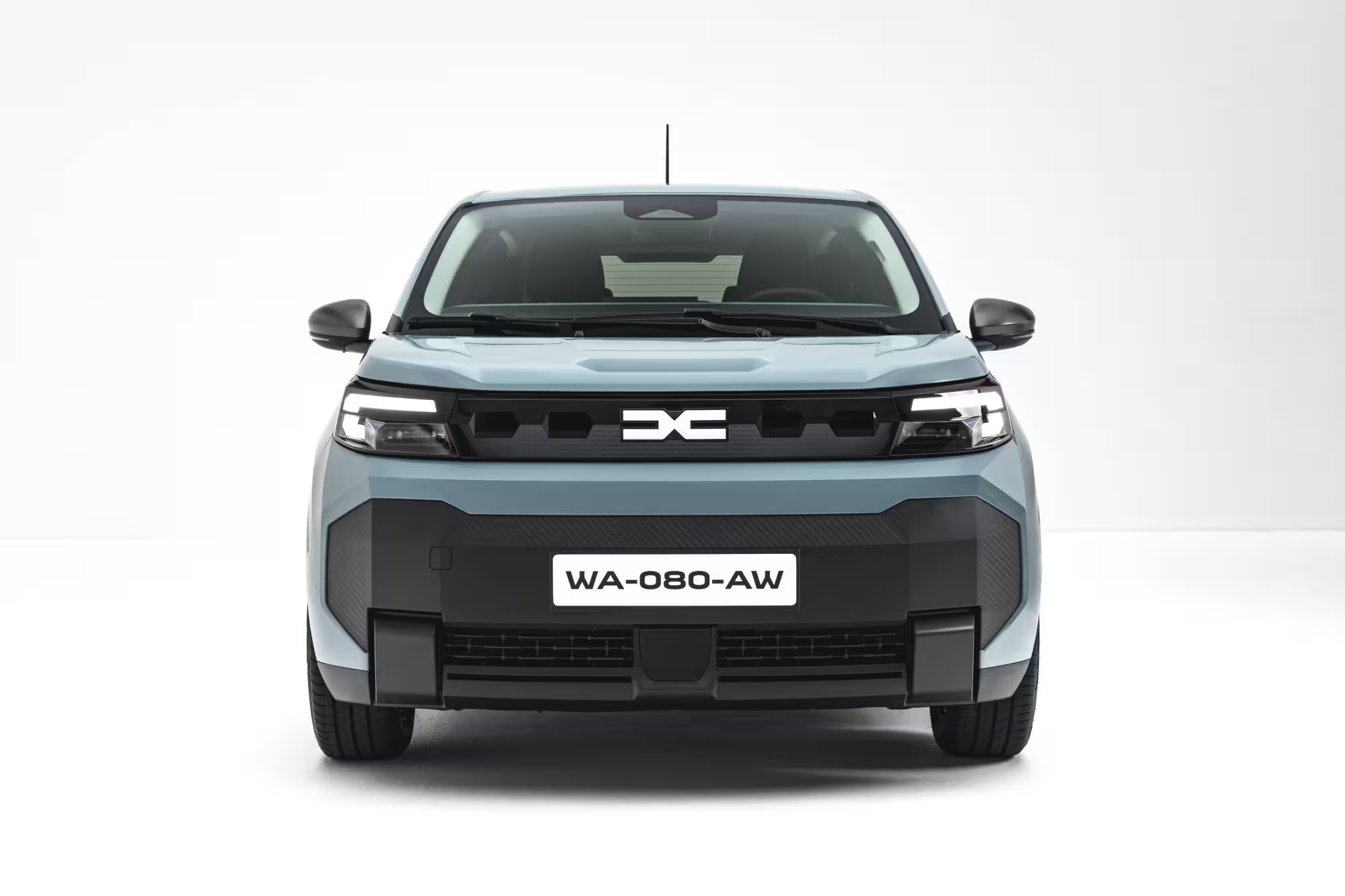
Dacia has unveiled the second-generation Spring, a European-built city electric car that doubles down on the brand's promise: affordable, no-frills mobility for urban life. Now produced at Renault Group's Novo Mesto plant in Slovenia, the new Spring rides on the group's RG-EV small EV platform and arrives larger, more practical and better suited for everyday commuting.
What’s new: design and packaging
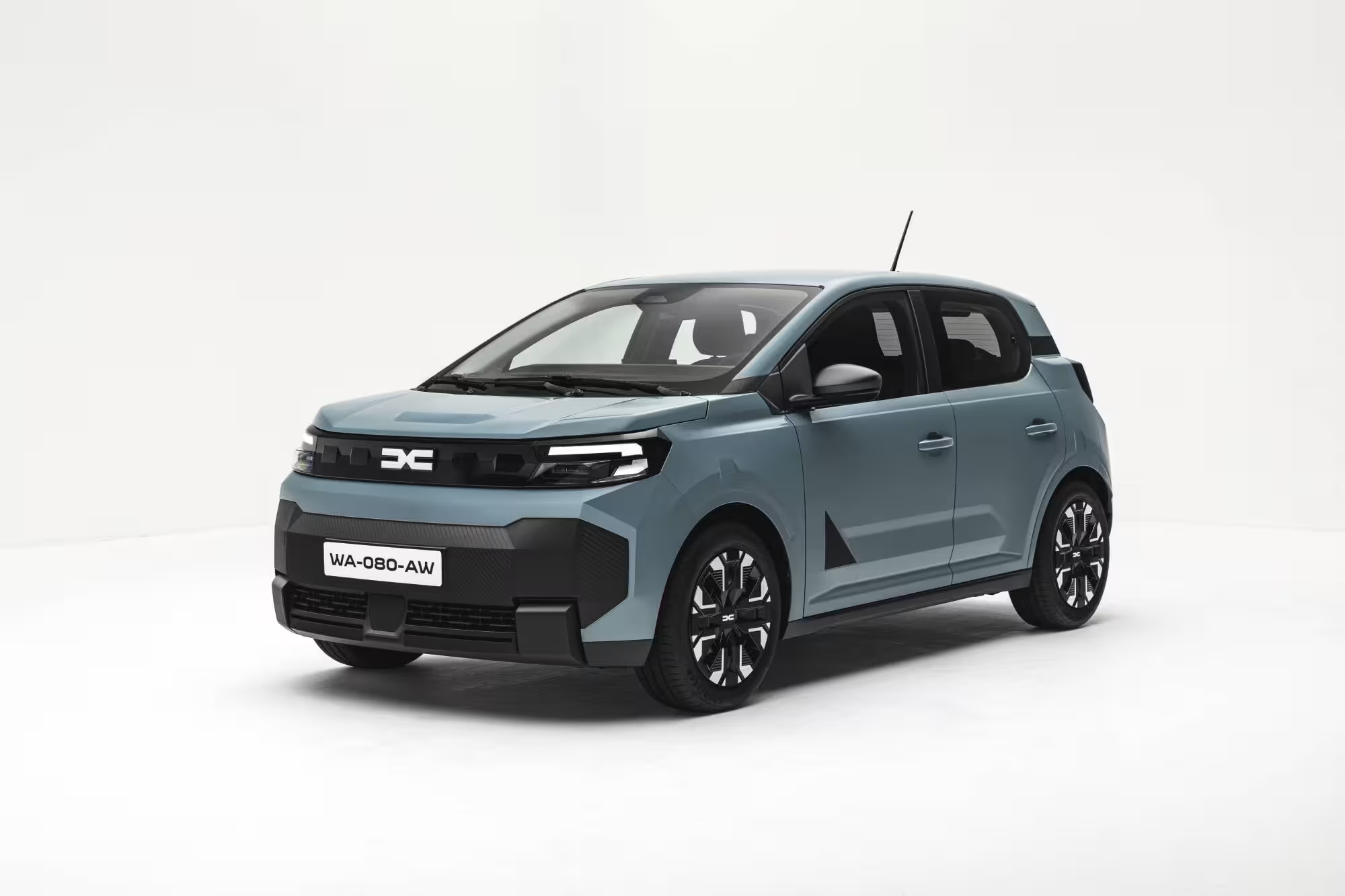
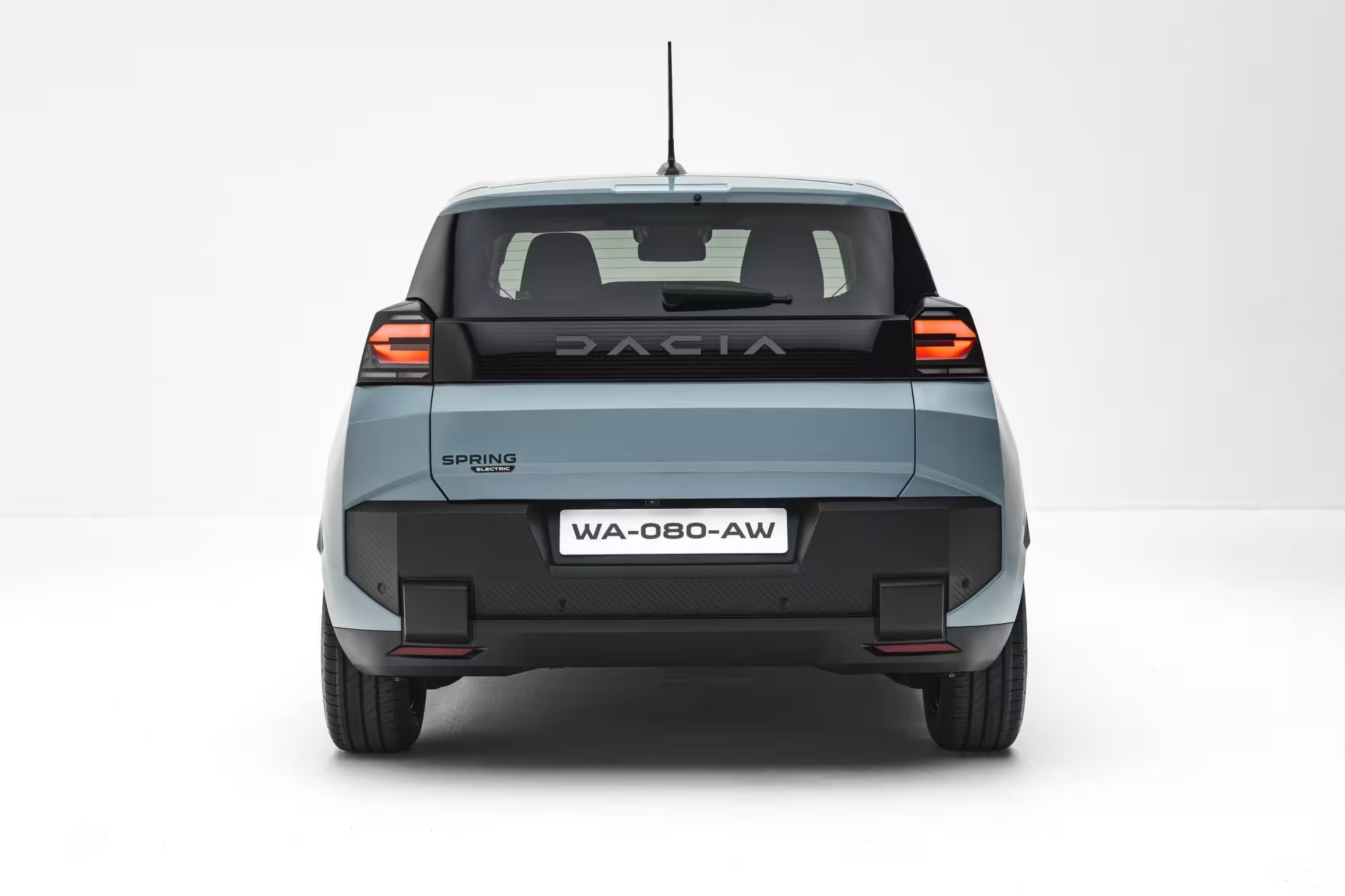
The latest Spring departs from its compact predecessor with a broader, more angular silhouette. Engineers stretched the footprint: the body is roughly 18 cm wider and about 5.9 inches (≈15 cm) longer, giving rear-seat passengers more room while keeping the car firmly in the city-car segment. The styling borrows cues from recent Dacia models but reinterprets them for a sharper, more modern look.
Inside, Dacia sticks to its pragmatic philosophy. The clean, horizontal dashboard houses a seven-inch digital instrument cluster alongside a 10.1-inch multimedia touchscreen. Blue accent stitching and trim nod to the brand's visual identity, while plentiful storage bins and physical controls on the steering wheel and dash emphasize usability over gadgetry. Even the gearbox controls are accessible from the steering wheel, a detail more commonly seen in higher-priced EVs.
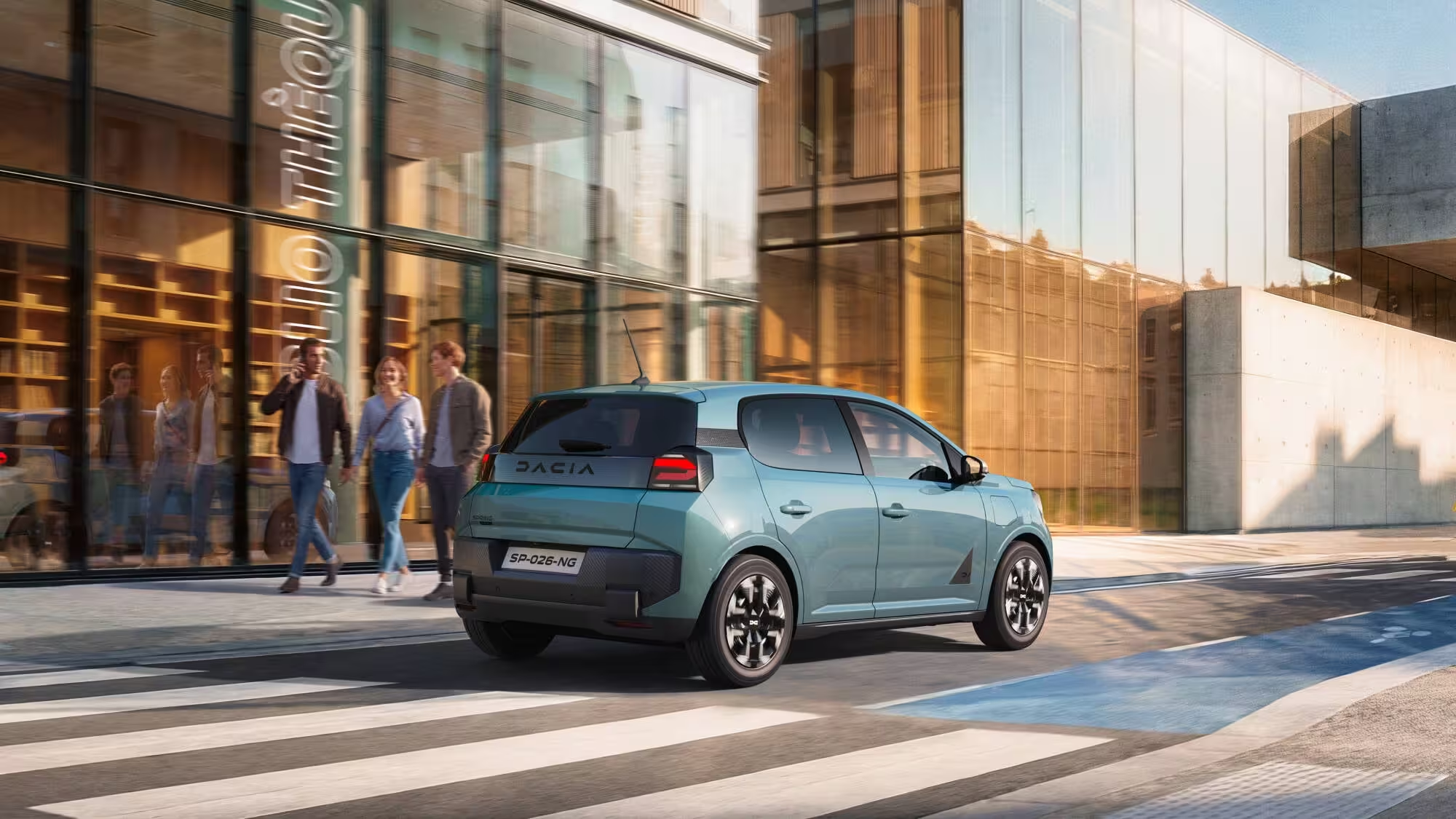
Key specifications at a glance
- Electric motor: 60 kW (about 80 hp) producing 175 Nm torque
- Battery: 27.5 kWh usable LFP pack
- WLTP range: up to 250 km (about 155 miles)
- 0-100 kph: 12.1 seconds; top speed: 130 kph (81 mph)
Charging and real-world practicality
Dacia offers practical charging options to match different buyer needs. On a domestic AC outlet the onboard charger runs at 6.6 kW, with a 15-80% charge taking roughly nine hours. Installing a 7 kW wallbox cuts that to under three hours. For buyers who want faster turnaround, an optional 'fast-charge pack' upgrades the onboard AC charger to 11 kW and adds 50 kW DC fast-charging capability. With DC charging, a 15-80% refill drops to around 28 minutes, bringing inter-urban and quick top-ups within reach.
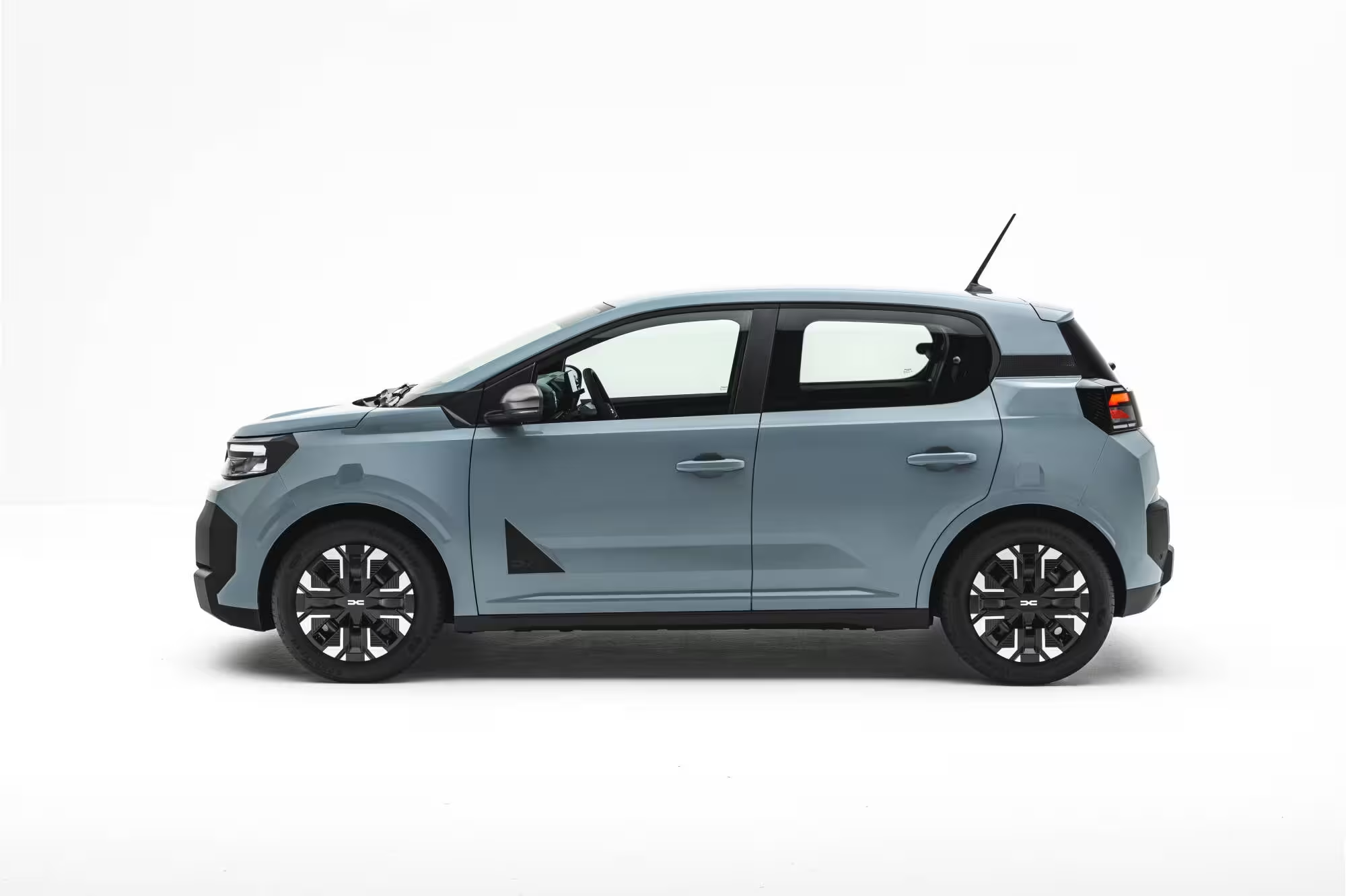
How the new Spring fits the market

Dacia has built its reputation on cost-conscious vehicles, and the second-gen Spring continues that playbook while improving quality and presence. Positioned as an A-segment electric car, it aims to undercut pricier compact EVs and appeal to urban commuters, second-car buyers and fleet operators looking for low operating costs. Early market whispers suggest pricing could land below €20,000 across Europe, making it one of the most affordable new electric cars on the continent if confirmed.
Why this matters: manufacturers have generally targeted EVs at higher price points or larger segments. Dacia's bet is that a stripped-back, well-packaged city EV can expand electric mobility to more buyers and accelerate adoption in dense urban zones.
Comparisons and context
Compared with the original Spring and rivals in the mini EV bracket, the new model benefits from the RG-EV platform and a more modern interior, while retaining a straightforward approach to features. Range and performance are tuned for city use rather than long-distance runs, but the optional fast-charging hardware widens its usability.
In short: the all-new Dacia Spring is an important test of volume EV strategy. It blends smart packaging, a safe LFP battery chemistry and pragmatic charging choices into a small, European-made package. For drivers seeking an affordable, no-nonsense electric commuter, the Spring may be one of the best-value propositions this year.
Highlights:
- European production at Novo Mesto, Slovenia
- RG-EV platform with larger dimensions and improved interior space
- 27.5 kWh LFP battery, up to 250 km WLTP range
- Competitive pricing expected under €20k (rumored)
Whether the Spring will redefine entry-level EV expectations depends on final pricing and trim choices, but its launch makes the case that electric cars don't have to be expensive to be relevant.

Leave a Comment
Comments (2)
27.5 kWh LFP and 250 km WLTP sounds decent on paper, but real city winter range will be lower. 50kW fast charge optional means price could creep up, hmm
Wow, Euro-made city EV under €20k? If range and charger options are real, this could actually get lots of ppl into EVs. Skeptical about winter range tho...