
2 Minutes
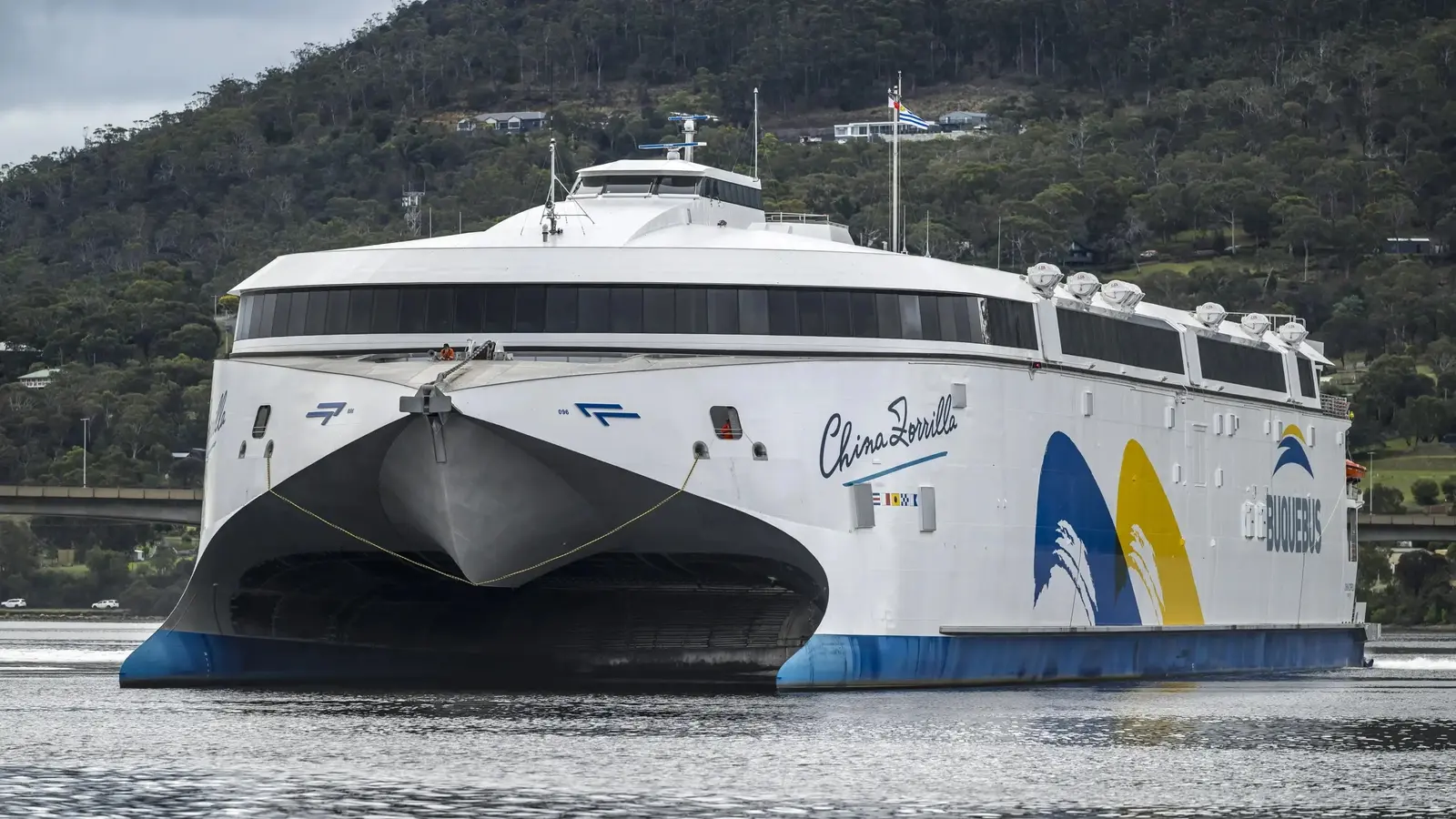
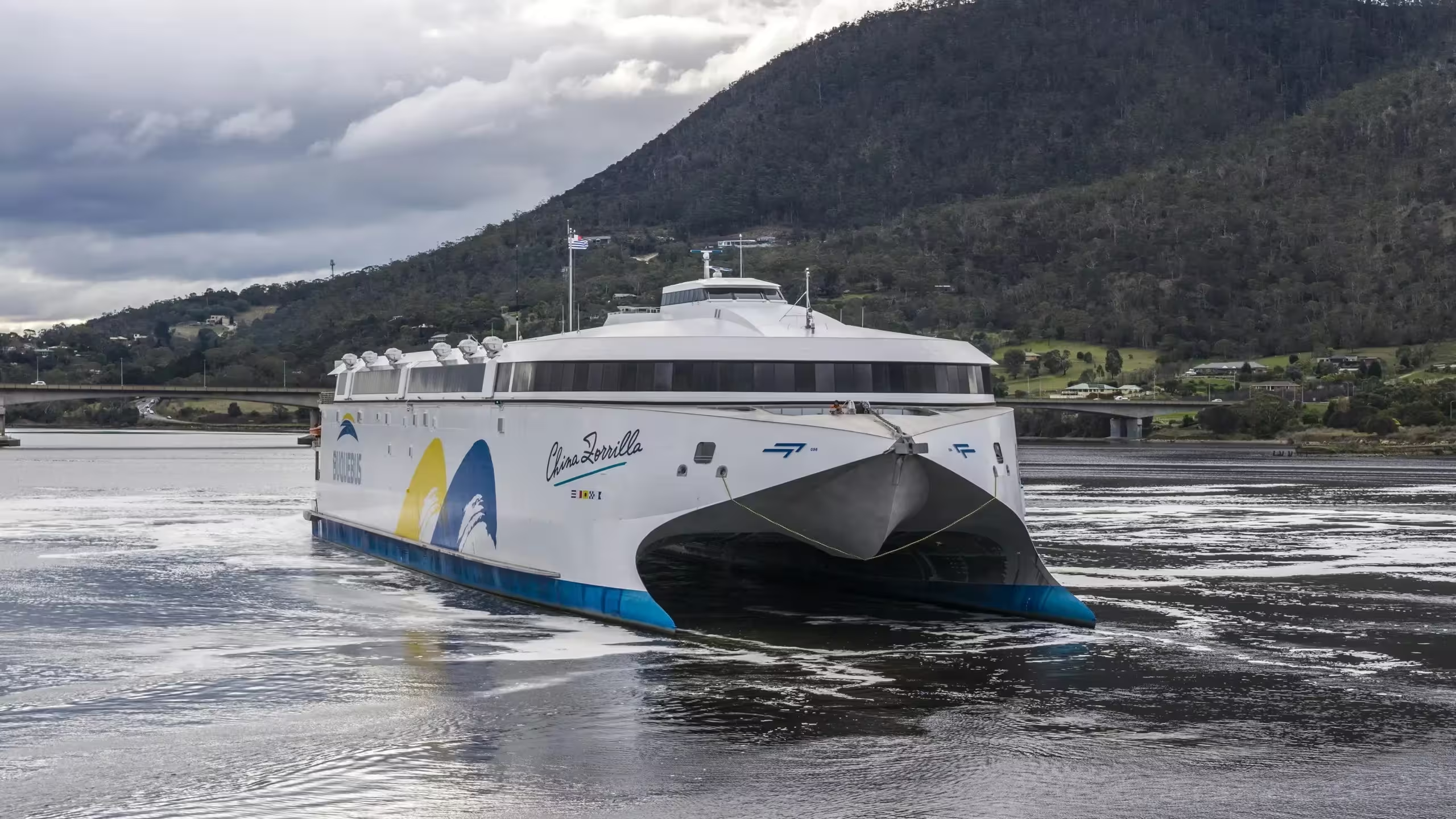
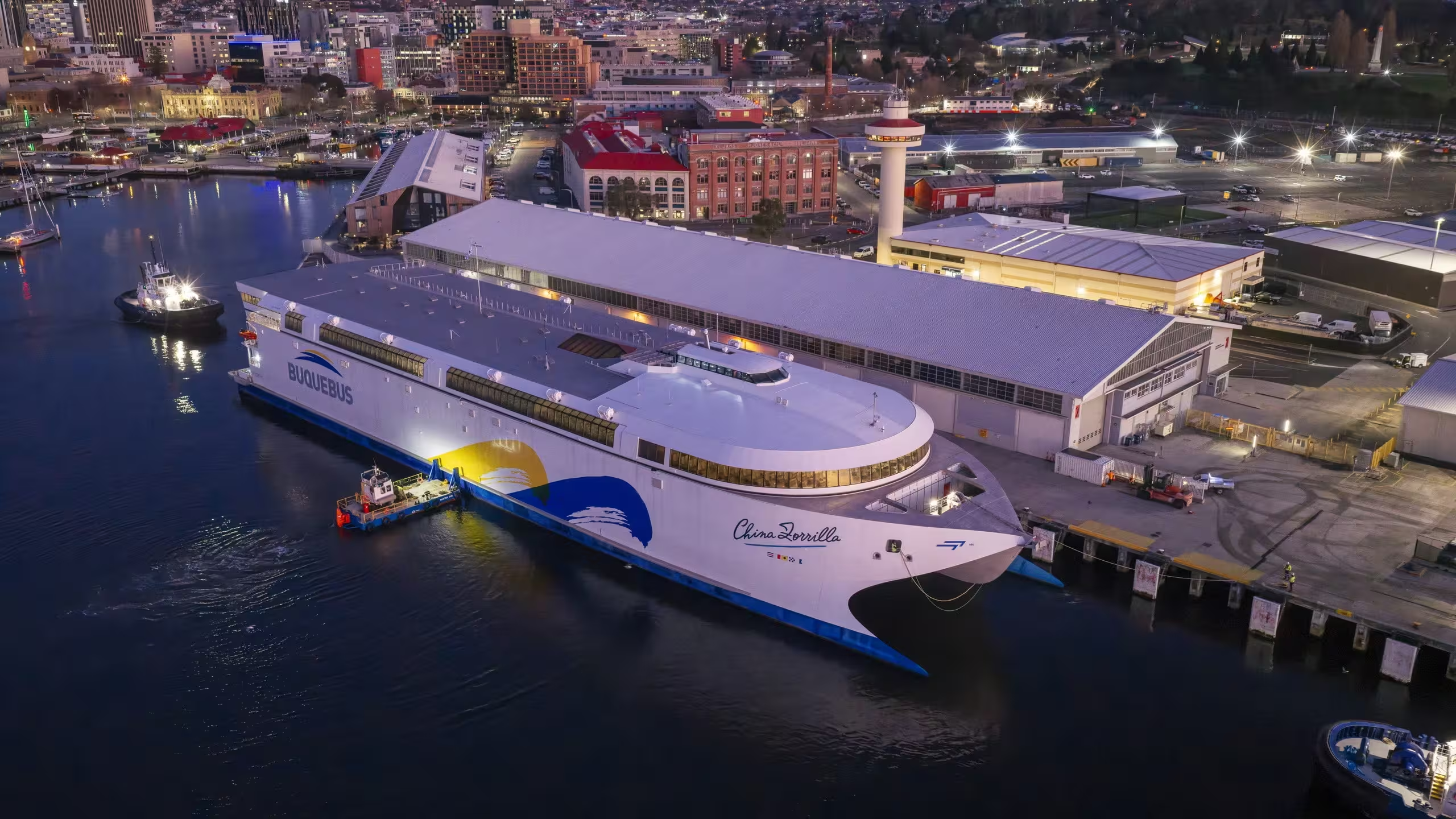
Incat has delivered China Zorrilla to Buquebus; the Tasmanian-built Ro-Pax carries the largest battery pack of any electric vessel and will operate between Colonia del Sacramento, Uruguay, and Buenos Aires, Argentina.
The ferry's battery bank is four times larger than any other electric vessel.
Designated Hull 096, the ship was commissioned by Buquebus in 2019 and was redesigned from diesel to fully battery-electric after pandemic-related production halts in 2020.
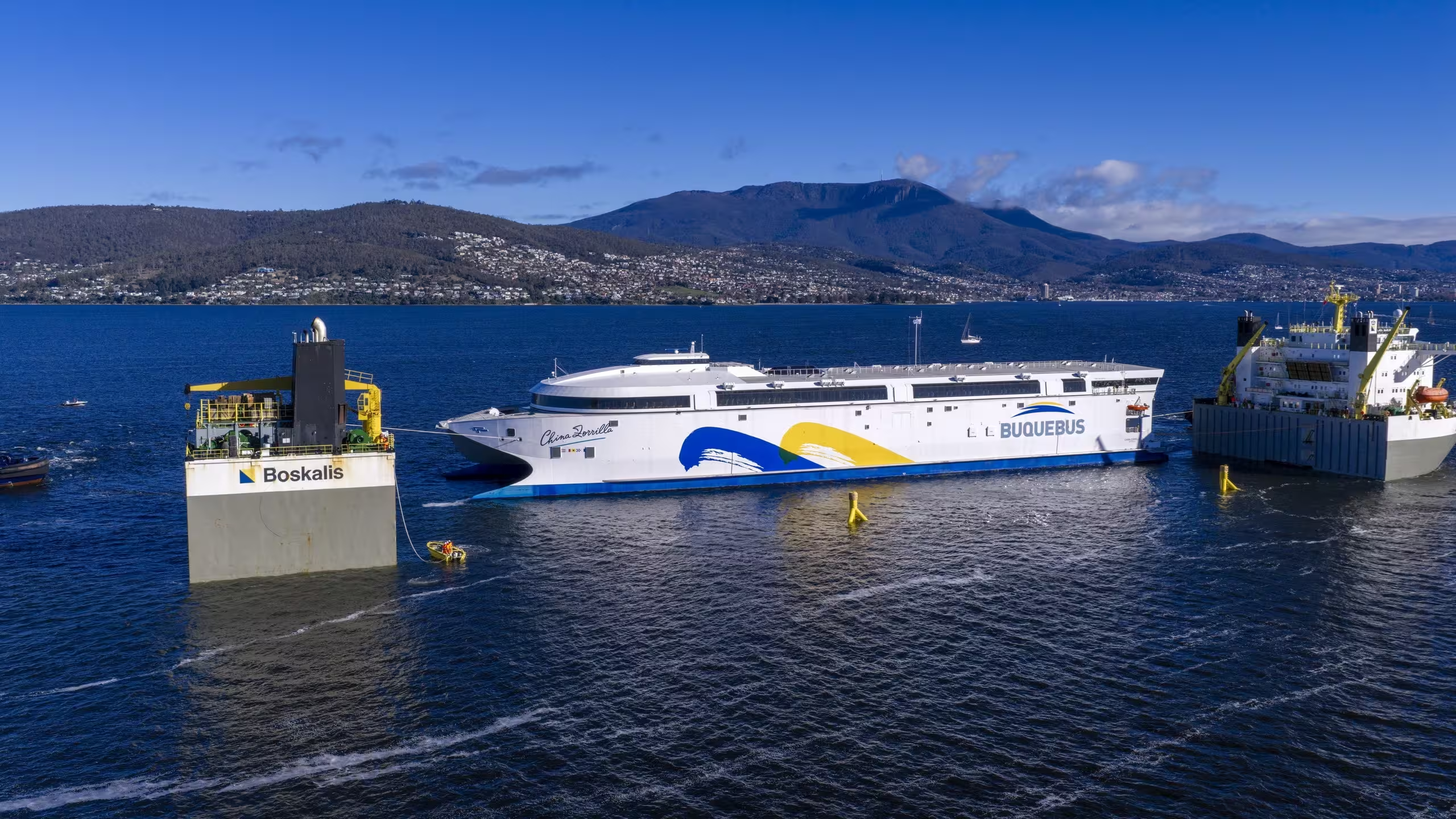
In early August the ferry was loaded onto the heavy-lift transporter MV Black Marlin and completed a 40-day transoceanic voyage to South America. Incat described the loading and shipment as one of the most complex maritime operations in Tasmania's history.
China Zorrilla can carry 2,100 passengers and 225 vehicles. Its high-power energy system drives eight electric motors with water-jet propulsion, producing zero-emission operation and reduced noise and vibration.
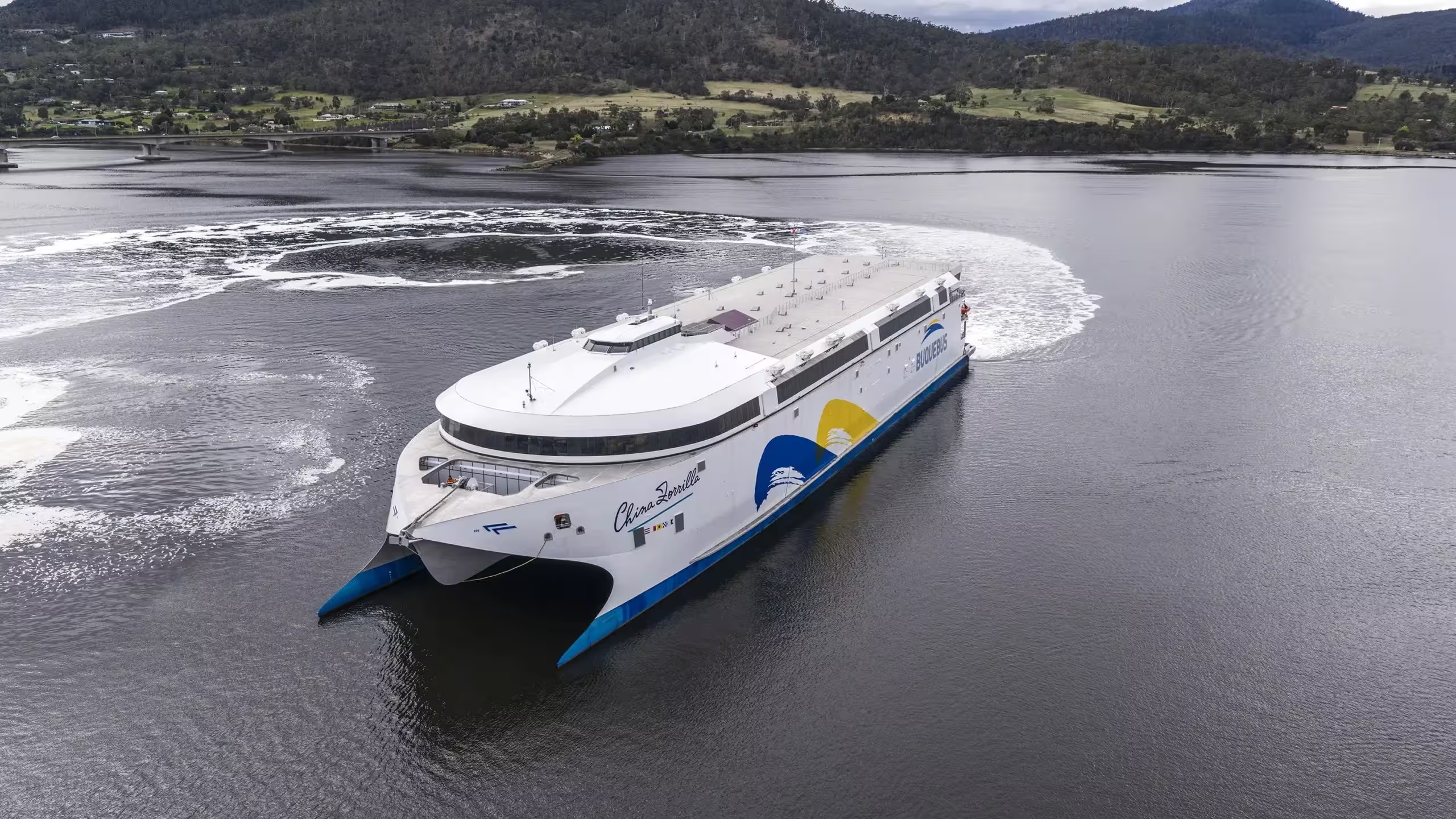
Buquebus says both ports on the 30-nautical-mile (55.5 km) Rio de la Plata route are fitted with the shore-side infrastructure required to recharge the ferry between voyages. Unlike hybrid-electric ferries, China Zorrilla will operate with no fuel and zero emissions on the route.
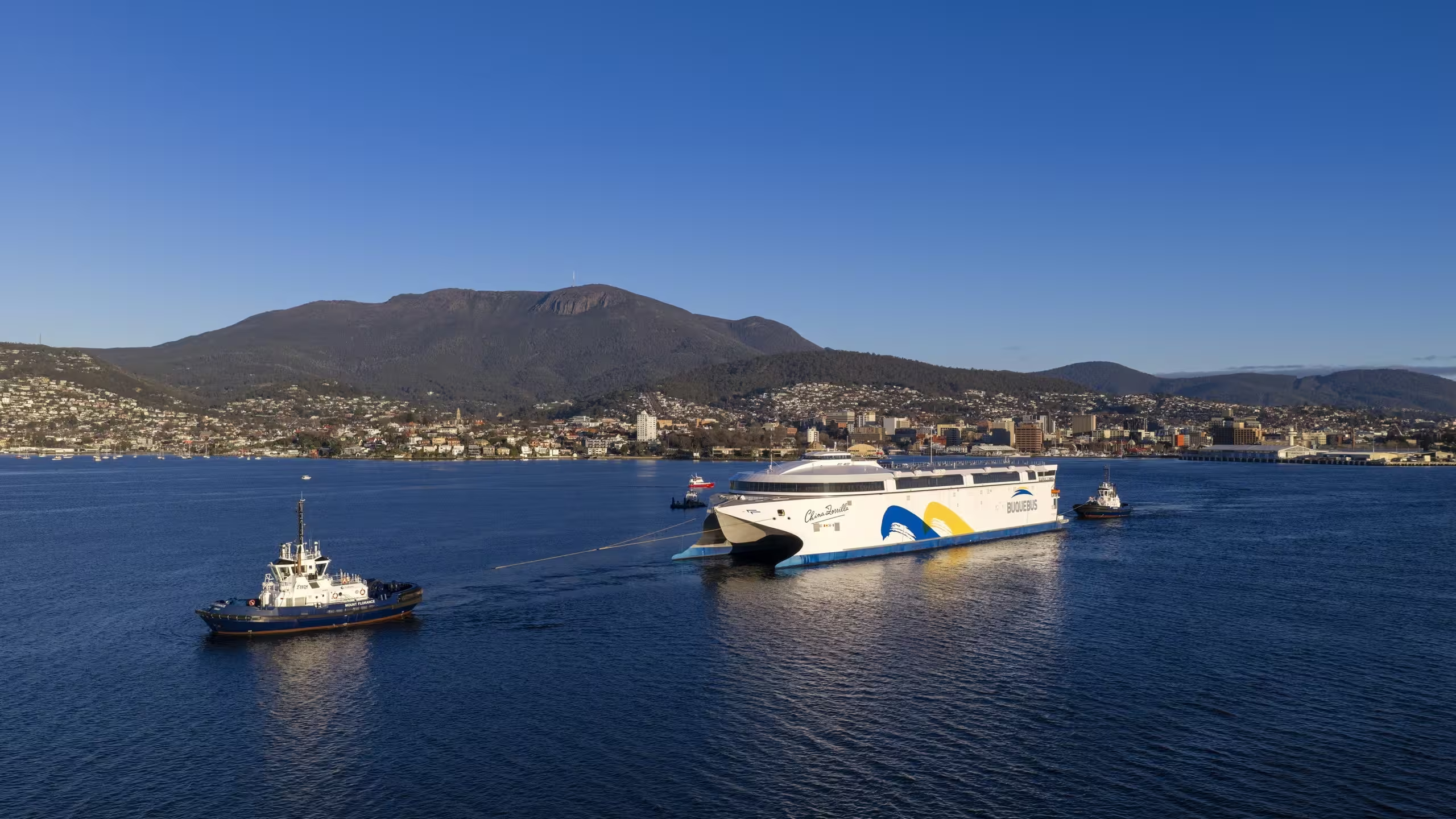
The ship was delivered to its destination over the weekend and will be towed by tugboats to Colonia, Uruguay, where it will enter service with Buquebus.
Incat is already building similar battery-electric Ro-Pax ferries for Danish operator Molslinjen that will operate with comparable propulsion; they will be smaller than China Zorrilla but are being marketed as the largest battery-electric ferries in Europe.
According to Incat Chairman Robert Clifford, "ships like these signal that the industry has entered a new era of clean propulsion, where a new class of high-speed, low-emission vessels are able to do much more than electric ferries before."
Published 14 September 2026. By Otilia Drăgan.


Leave a Comment
Comments
No comments yet. Be the first.