
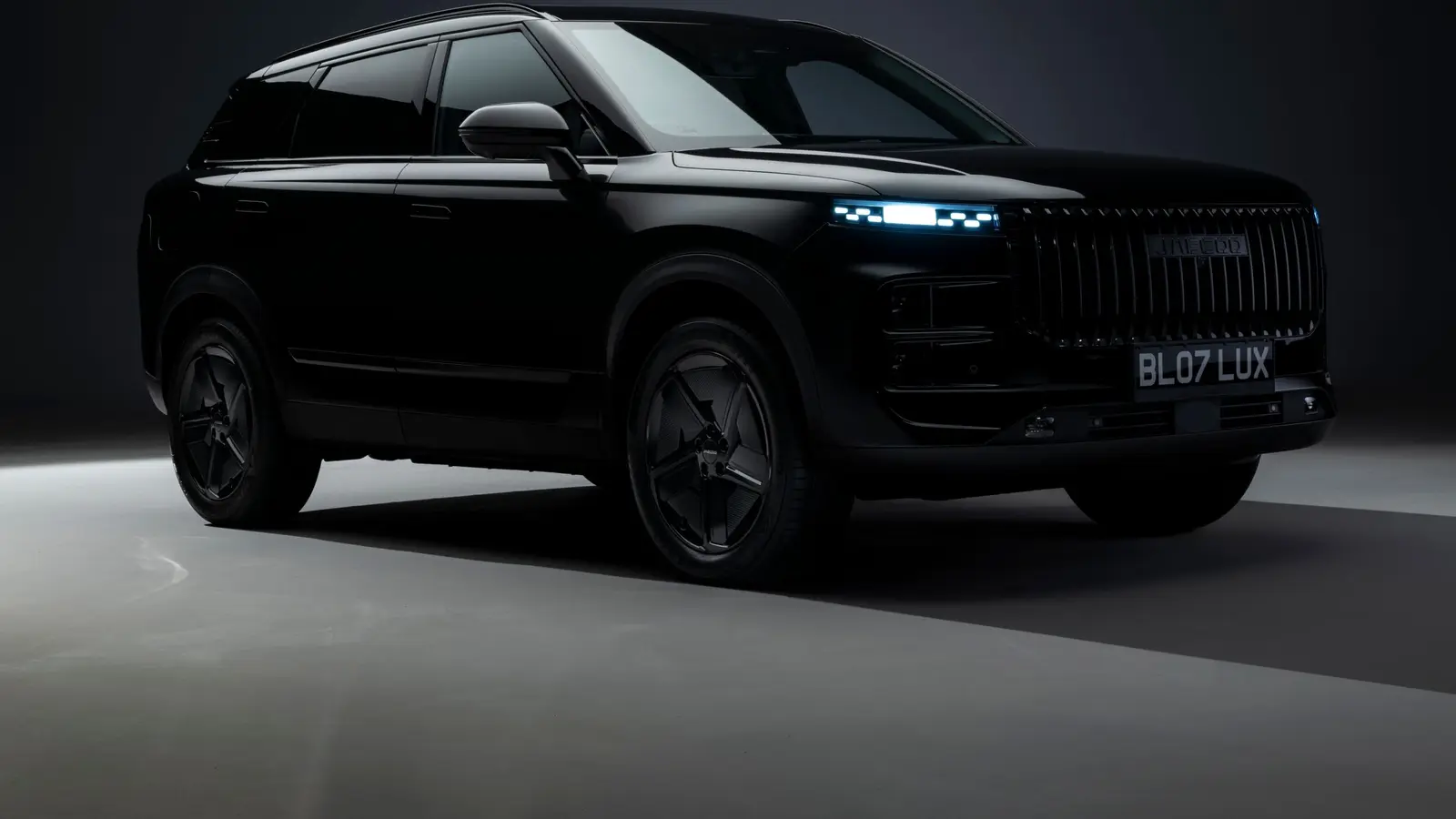
British ministers are reported to be considering a 45% levy on Chinese battery-electric vehicles, a move first flagged by The Times that would directly target imports from manufacturers including BYD and Chery. The proposal is under active discussion with the automotive industry rather than being a firm decision.
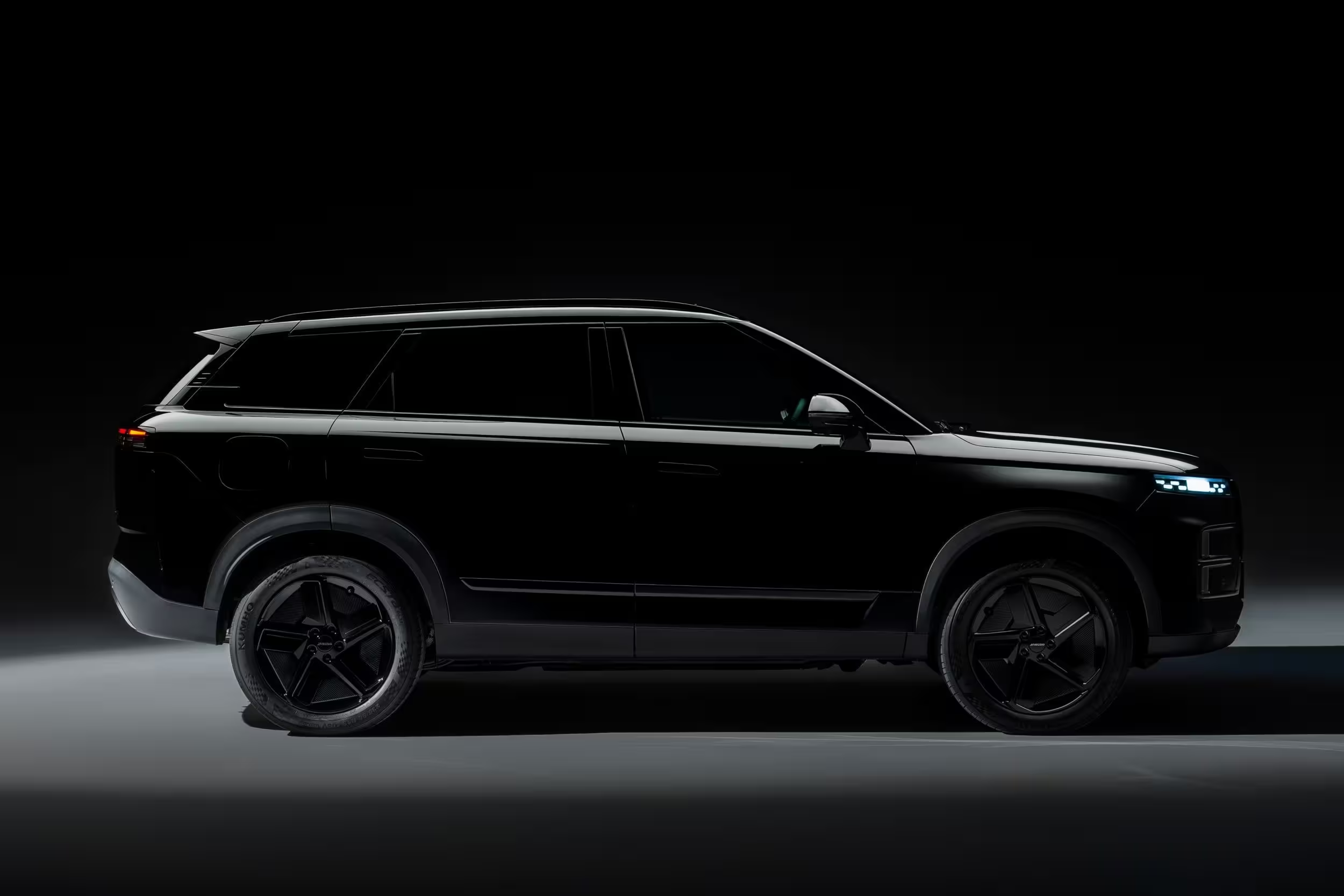
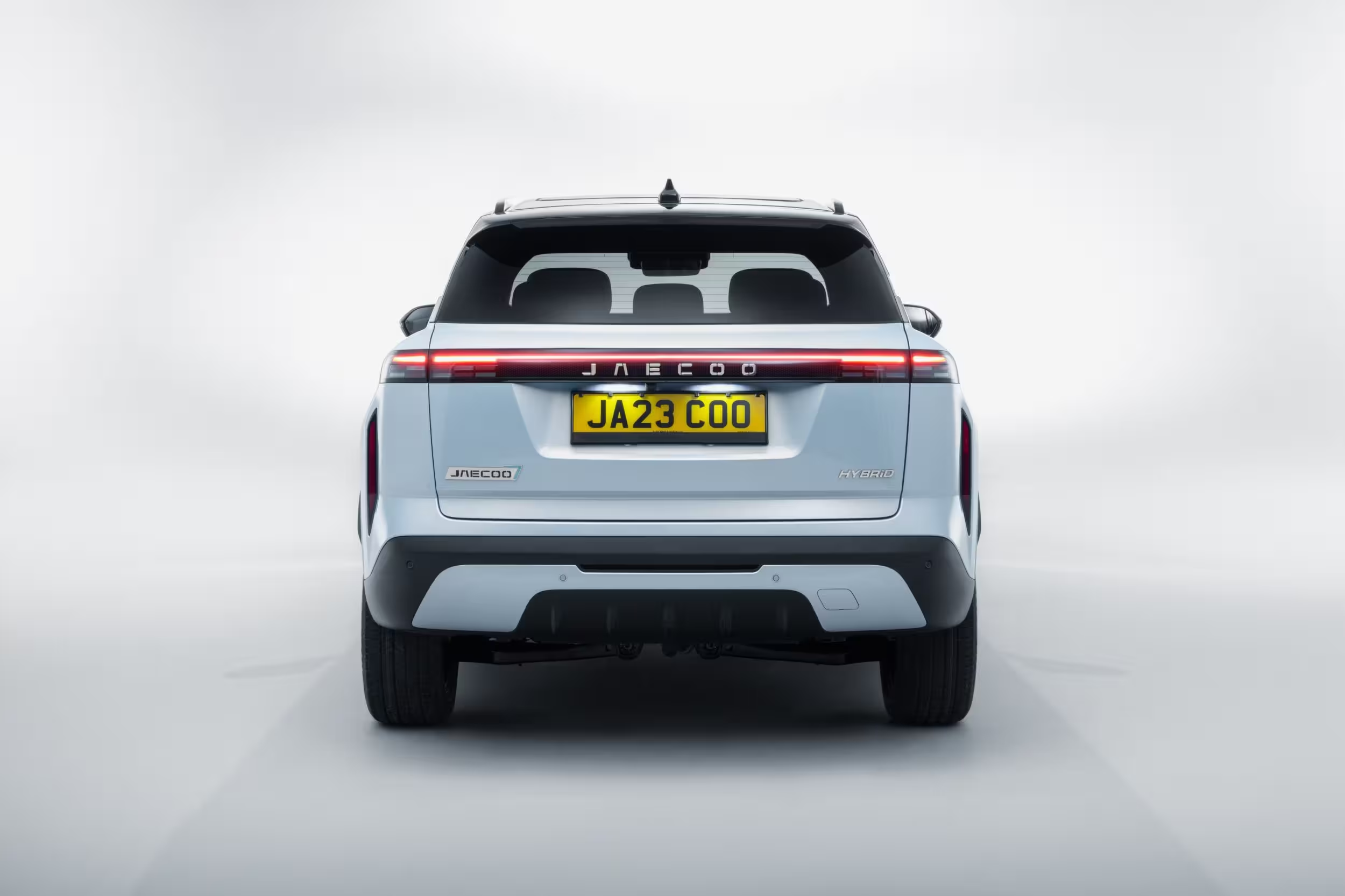
The timing has sharpened attention: Chinese brands now occupy a major share of the UK new-car market and the Jaecoo 7, from Chery, was the nation’s best-selling model in September. Officials say the aim is to align UK policy with recent European measures that favour vehicles built inside the bloc; ministers are consulting industry stakeholders before reaching a final view.
Market context
Separate data from the Society of Motor Manufacturers and Traders show the UK recorded 350,518 new-vehicle registrations in September 2026, the strongest September result since 2017. Battery-electric vehicles made up roughly a third of registrations and grew 36.3% year over year, making BEVs one of the market’s fastest-growing segments and the category most exposed to any import levy.
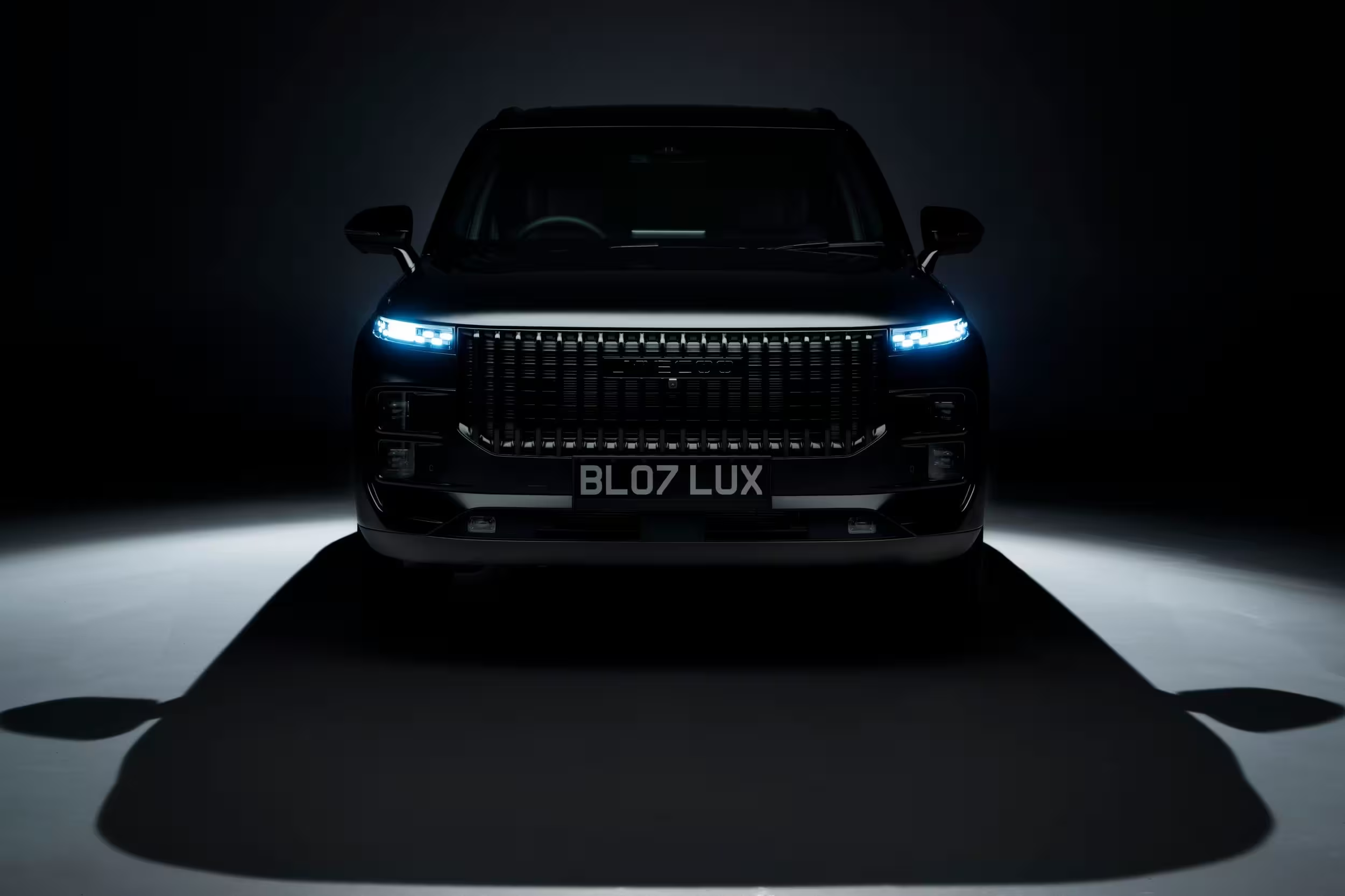
The Jaecoo 7 recorded 10,813 UK registrations in September, and SMMT figures place the model second in the year-to-date rankings with 39,473 units through the first nine months of 2026. Jaecoo’s brand volume is reported to be up 223% compared with the same period in 2025; Leapmotor’s volumes are cited as up 765%.
BYD also enjoyed a strong month, reaching a 5.75% market share in September. SMMT data record BYD’s year-to-date registrations at about 3.93%, roughly 68,000 vehicles in the UK so far this year.
Trade policy and supply chains
The discussions in London mirror wider European concern over the scale and speed of Chinese EV exports. Brussels has proposed measures under an Industrial Accelerator Act focused on made-in-Europe requirements for strategic, low-carbon products; the European Commission says the measure is intended to stimulate demand for European-made goods and bolster manufacturing capacity within the bloc.
Existing EU measures already add countervailing duties ranging from 7.8% to 35.3% on top of the standard 10% tariff for certain Chinese vehicles. SMMT and Commission notices show SAIC subject to a 35.3% levy while BYD faces 17.0% under the current regimes. UK officials have flagged that the country’s supply chain remains deeply integrated with Europe; UK automotive production supports approximately €24 billion of economic activity and about 250,000 jobs across the EU, a factor making London attentive to European policy developments.
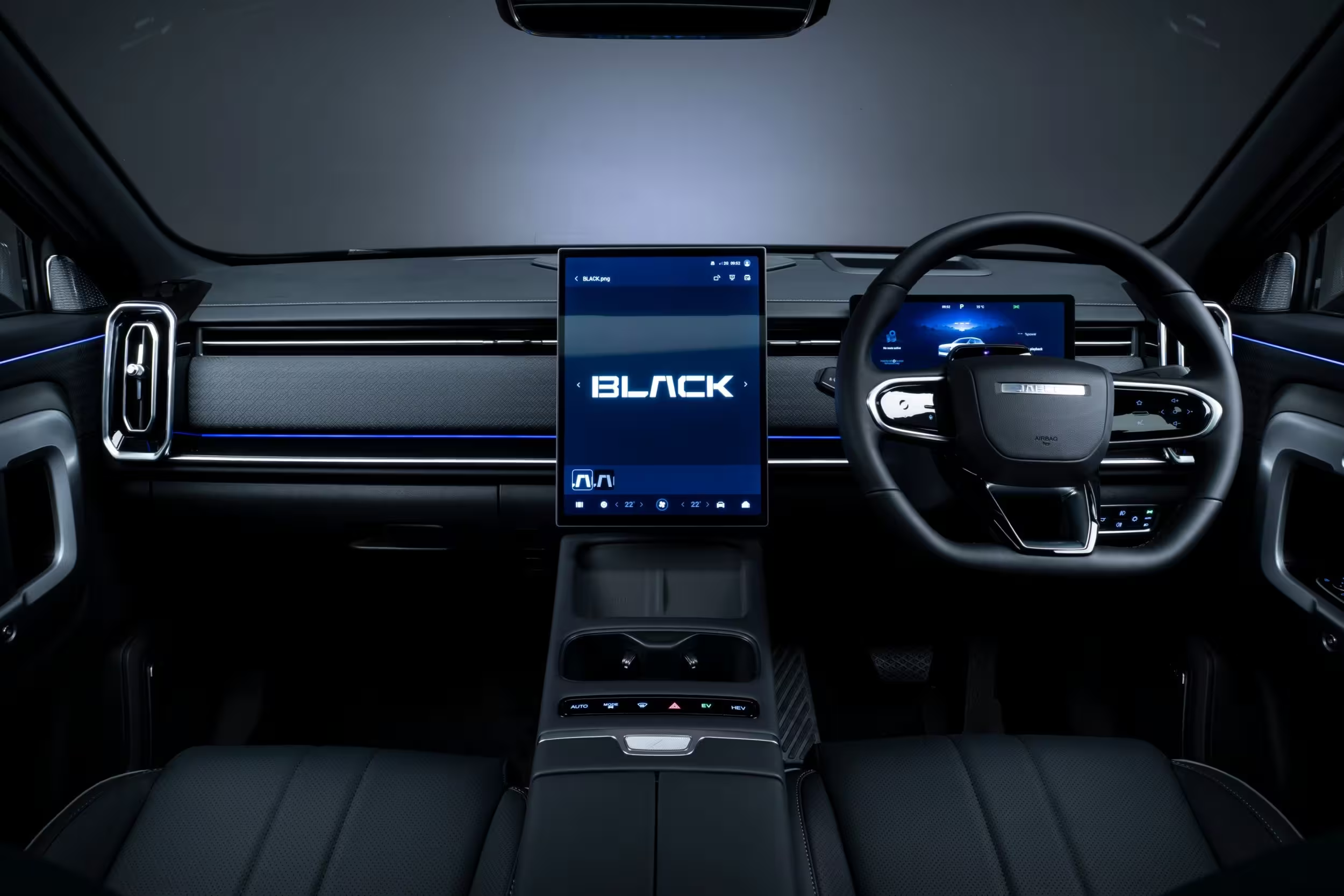
No decision has been taken; ministers remain in talks with the industry and are weighing the potential economic and supply-chain consequences of any levy.
If implemented, an added import cost would increase pricing pressure on Chinese-built BEVs. Manufacturers might absorb some of the levy, but import tariffs are commonly passed through to consumers, which could push up retail prices for buyers in the UK.
Report date and source: items in this article reference reporting by The Times and registration figures published by the SMMT, current to 5 October 2026. Author: Mircea Panait.


Leave a Comment
Comments
No comments yet. Be the first.