
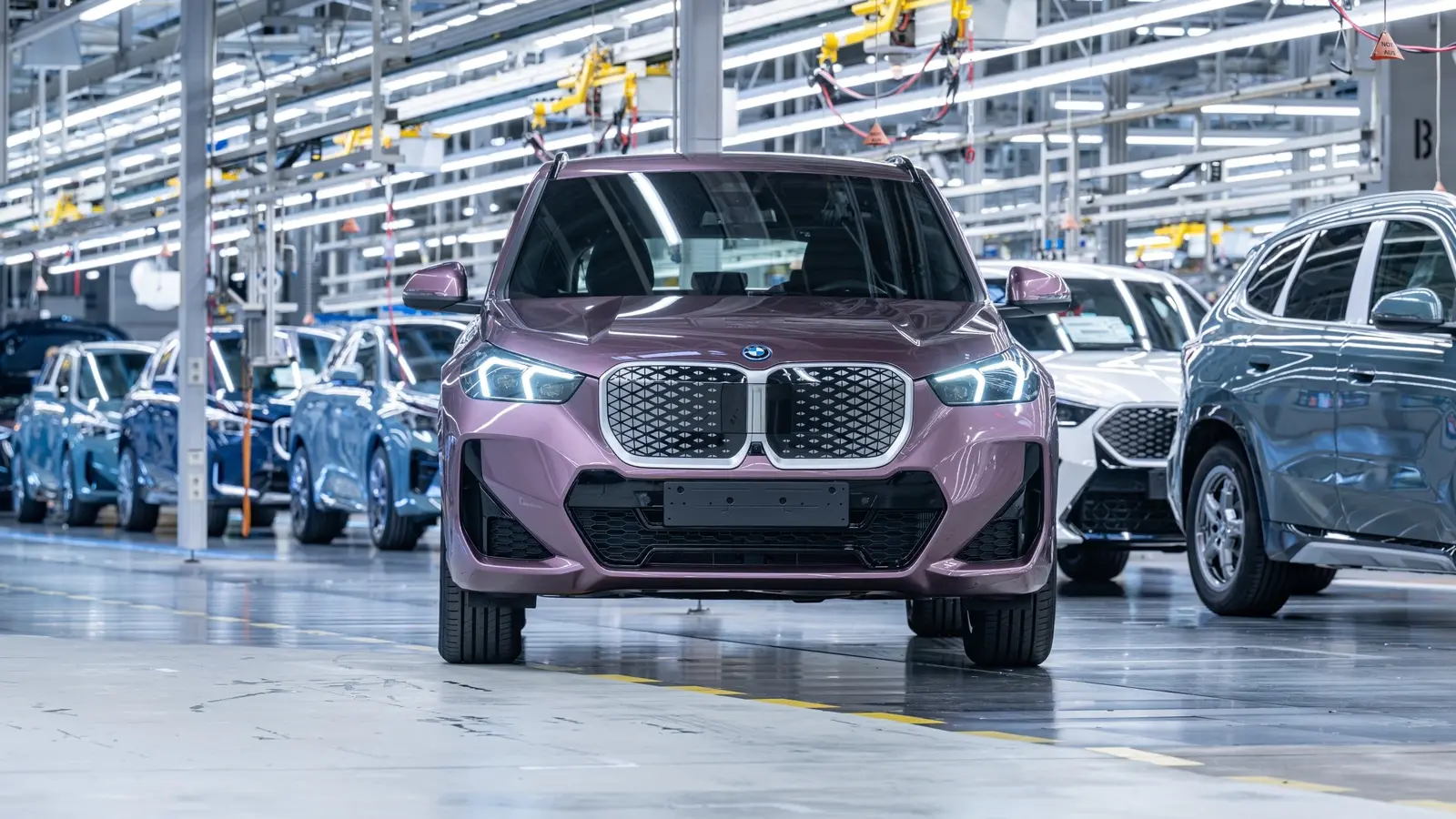
BMW has announced a major reorganisation that pairs a rapid expansion of artificial intelligence with steep management cuts. The German automaker plans to eliminate one-fifth of its business divisions and the associated Senior Vice President roles by mid-2027, a move that translates into more than 100 senior executive positions being deleted, according to company statements and reporting.
BMW expects the restructuring to hit its Munich headquarters hardest and to trigger a comparable thinning of managerial layers below the top executive ranks.
Alongside the permanent removals of senior posts, BMW has opened a voluntary redundancy and buyout programme intended to reduce its white-collar workforce by roughly 20% globally. The company says the changes could put about 8,000 jobs at risk as administrative and managerial functions are slimmed down.
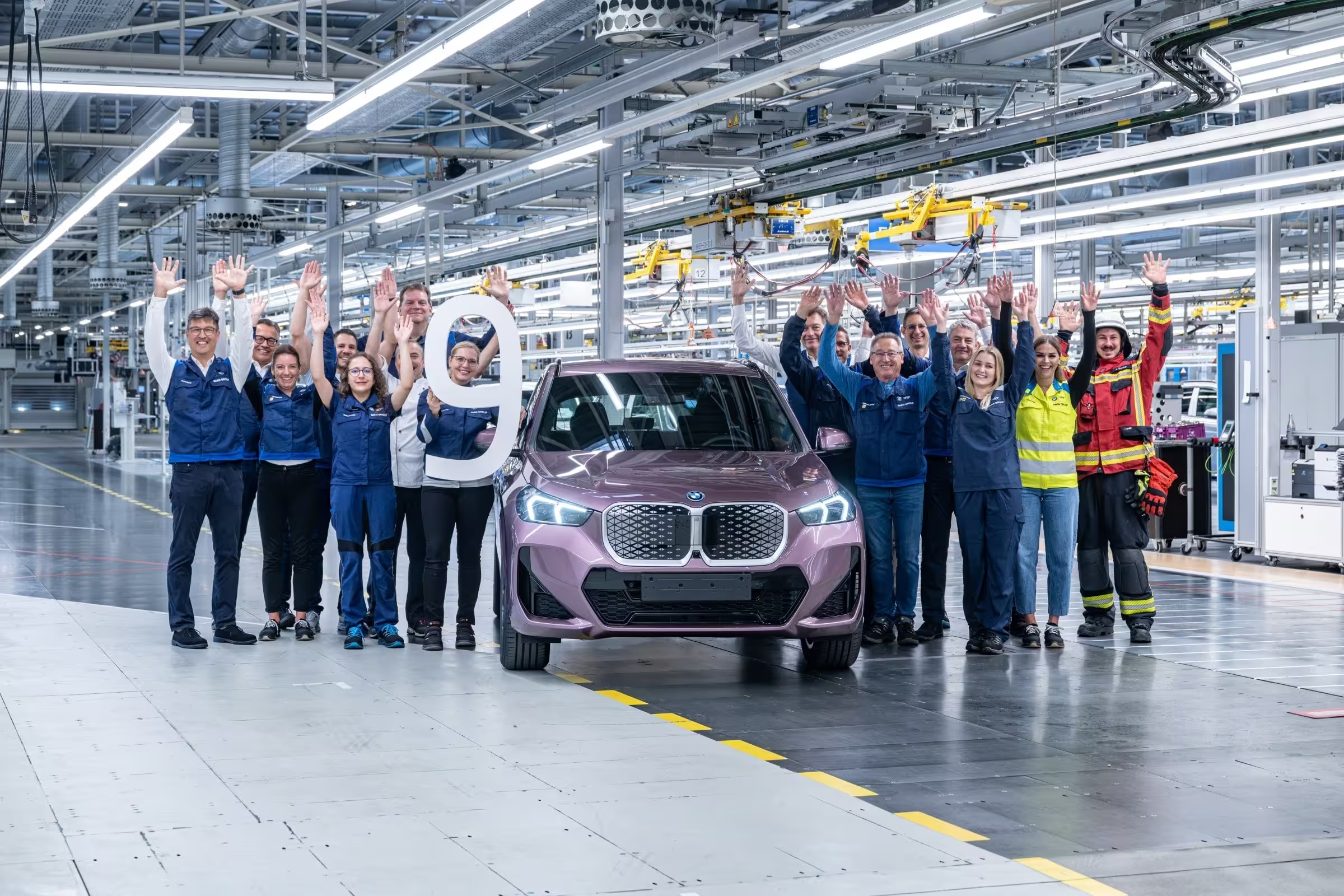
AI at the centre of the restructure
Bloomberg reports that BMW currently has about 65 senior vice presidents reporting directly to the board, with roughly 400 senior positions beneath them; the automaker has indicated that around 100 of those senior roles would be deleted. At a media briefing, Chief Executive Milan Nedeljkovic, cited by CNBC TV 18, said most of the affected leadership roles are based at BMW's Munich headquarters and that AI agents will be integrated to automate routine analytical tasks and compile data instantly, allowing remaining managers to make major decisions without waiting for extended middle-management reporting cycles.
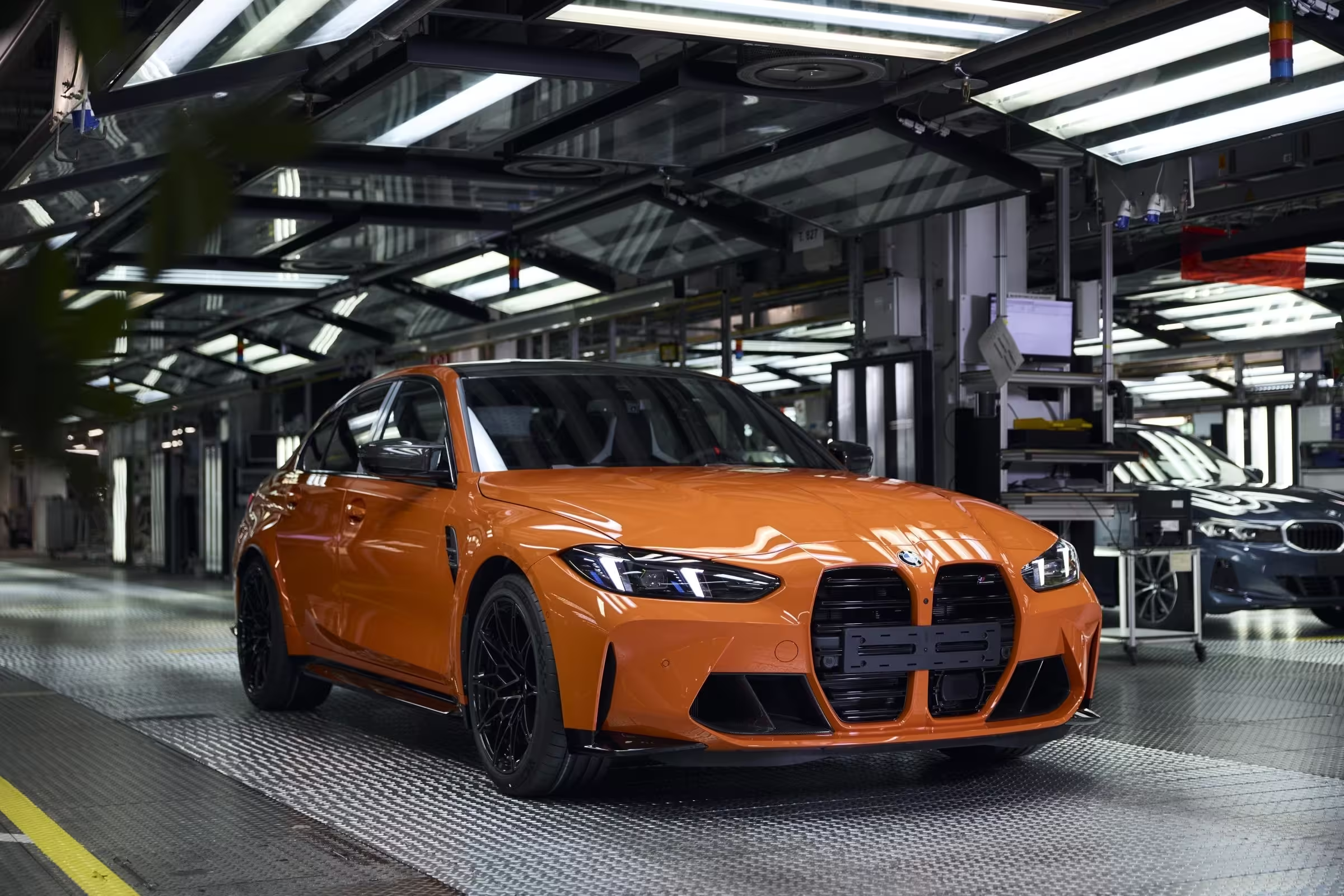
The company stresses that factory and assembly-line workers are not affected. The cuts are aimed primarily at indirect, administrative, development and office staff, predominantly in Germany, while production roles will be preserved as the digital systems replace human-led administrative workflows.
The timing of the announcement comes as BMW faces pressure in its largest market. Sales of BMW and MINI in China plunged about 30% year-on-year as of mid-2026, a dramatic drop that has coincided with a compression of BMW's automotive operating margin to 2.3% and a share price decline of more than one third over the past year, leaving the stock at a six-year low.
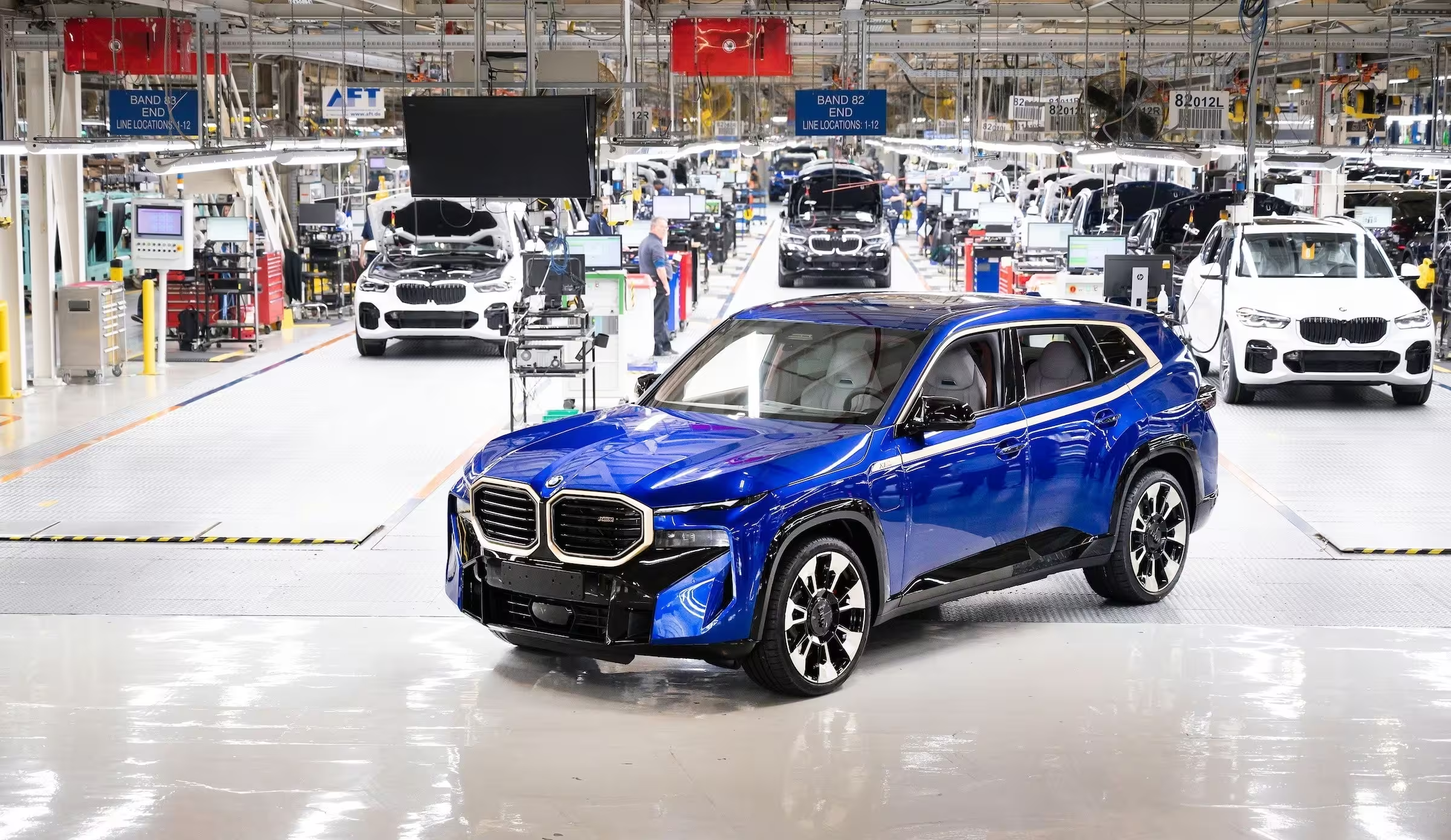
At the same time BMW continues to invest in its electric future. The company has poured resources into the Neue Klasse EV platform and, according to the company, invested $2.24 billion (2 million euros) in a battery factory that started operating in Bavaria on October 1.
Reuters reports BMW is projecting automotive free cash flow to rise from its 2026 target of €2.5 billion to more than $5.6 billion (5 billion euros) by 2028, and to top $7.85 billion (7 billion euros) by the early 2030s.


Leave a Comment
Comments
No comments yet. Be the first.