
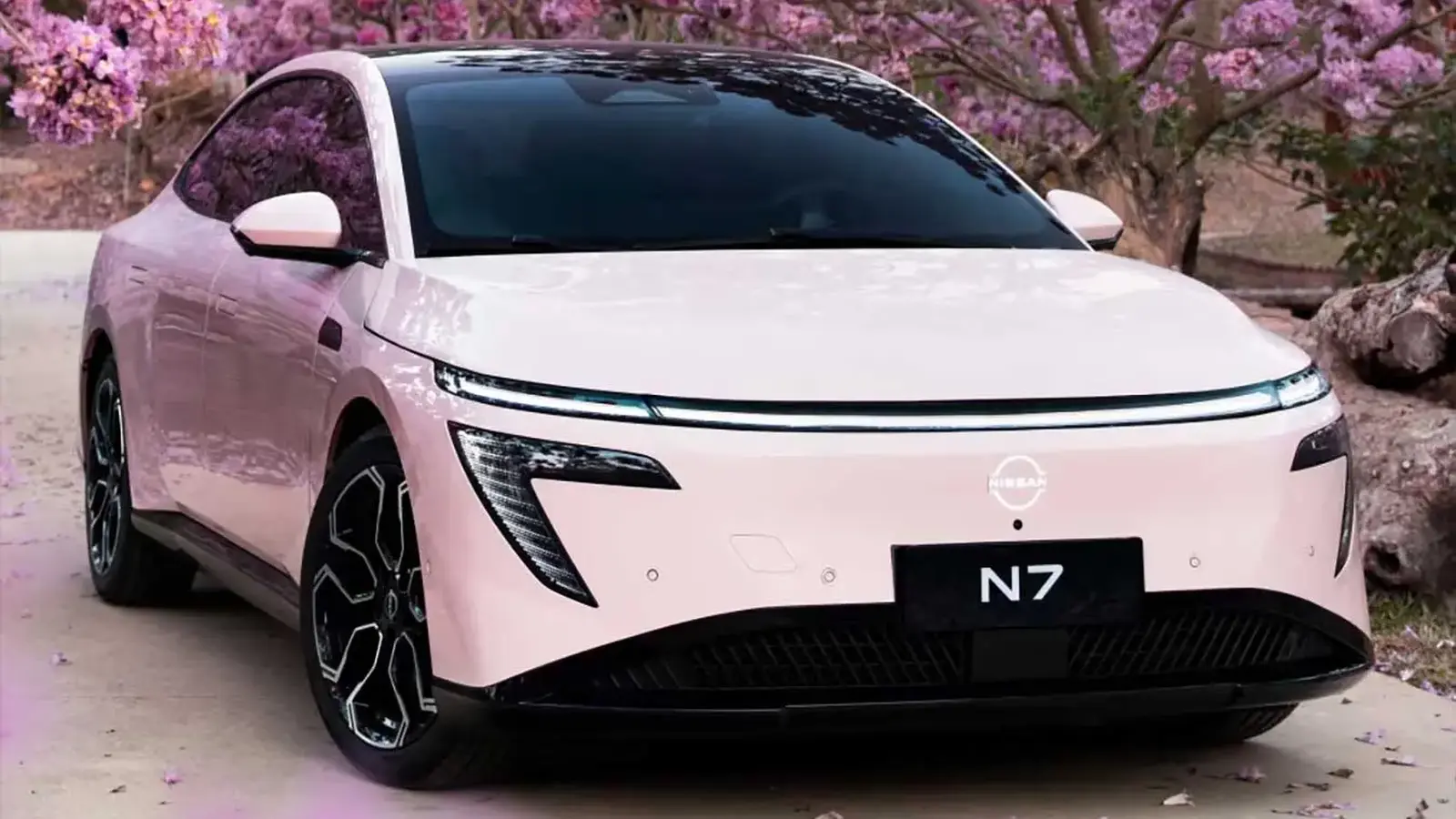
Japanese automakers have suffered a severe production collapse in China, with combined output for Toyota, Honda, Nissan and Mazda falling to just above one million vehicles in April–September 2026, a steep drop from 2.8 million in the same six-month period of 2020.
Production collapse and brand-level figures
Reported figures show the decline represents a 63 percent fall over six years and the lowest six-month production level since 2008. Individual brand reported results for April–September 2026 are:
- Toyota: 663,079 units, down about 23 percent versus 2020.
- Honda: 131,716 units, down 60 percent versus last year and about 90 percent below its 2020 peak.
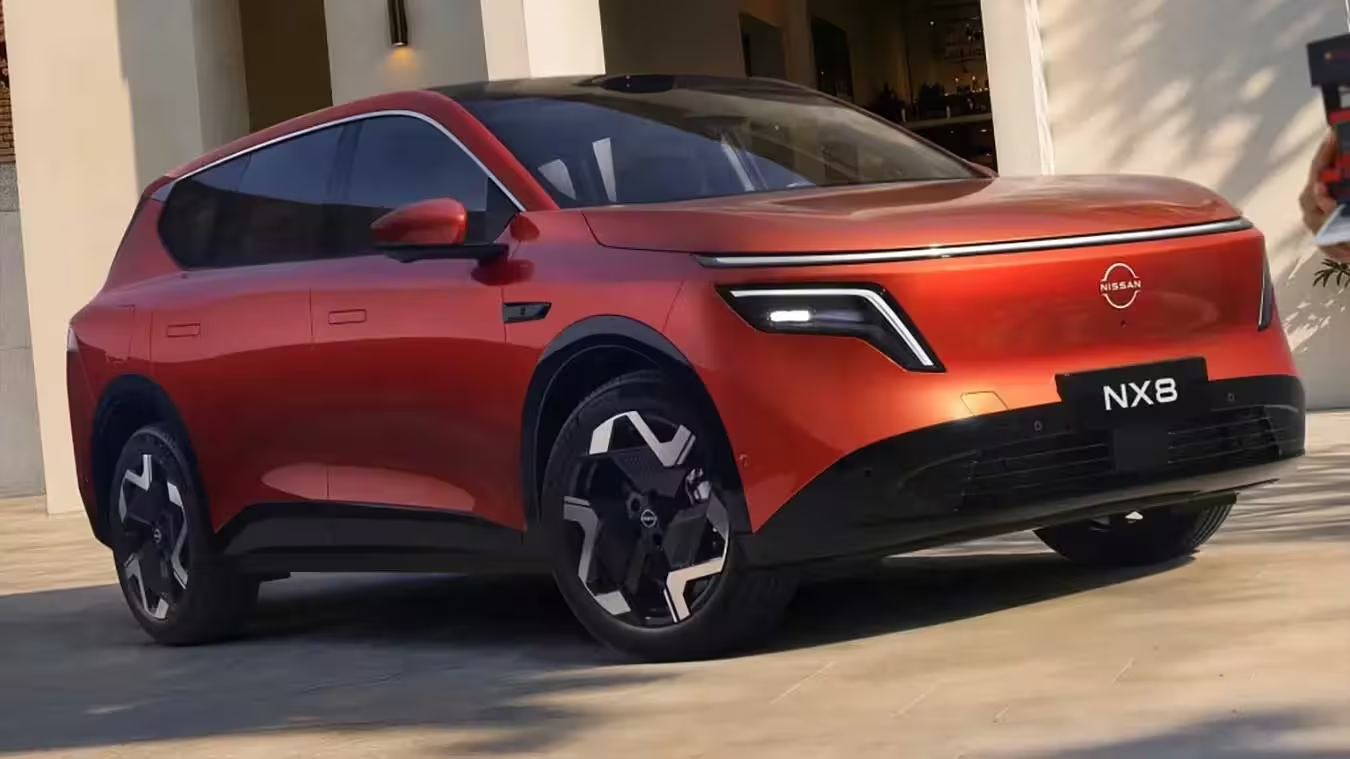
- Nissan: 163,192 units, down 49 percent versus last year and roughly 80 percent below its 2020 peak.
- Mazda: increase of 43 percent versus last year, but still 52 percent below its 2020 figure.
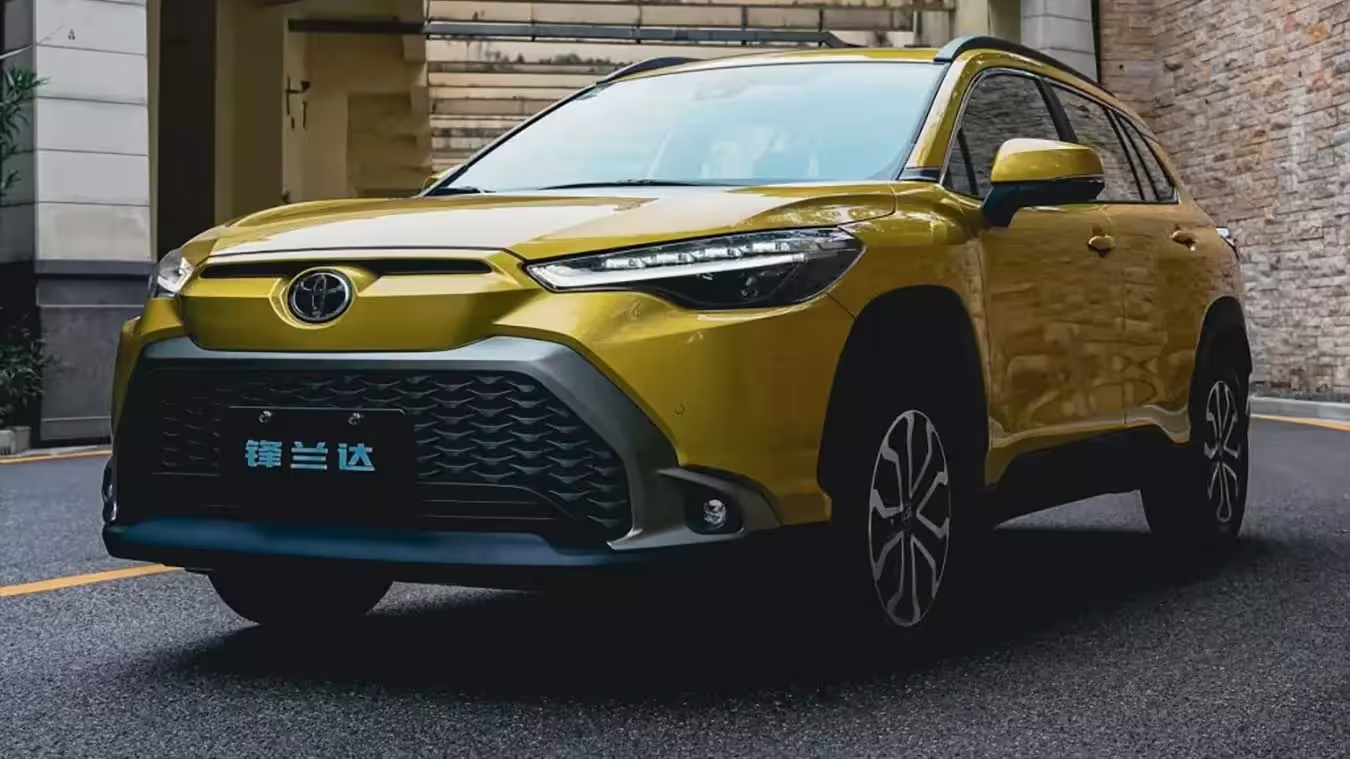
This is the lowest production level for that April–September period since 2008.
EV shortfall and strategic responses
Manufacturers attribute much of the decline to a shortage of compelling electric vehicle models in their Chinese lineups. China’s new-vehicle market contracted by about 22 percent overall, amid economic weakness and reductions in purchase subsidies and incentives for electric and plug-in hybrid models. Sales of traditional gasoline cars and pickups fell roughly 30 percent in the first quarter of 2026 as fuel prices rose.
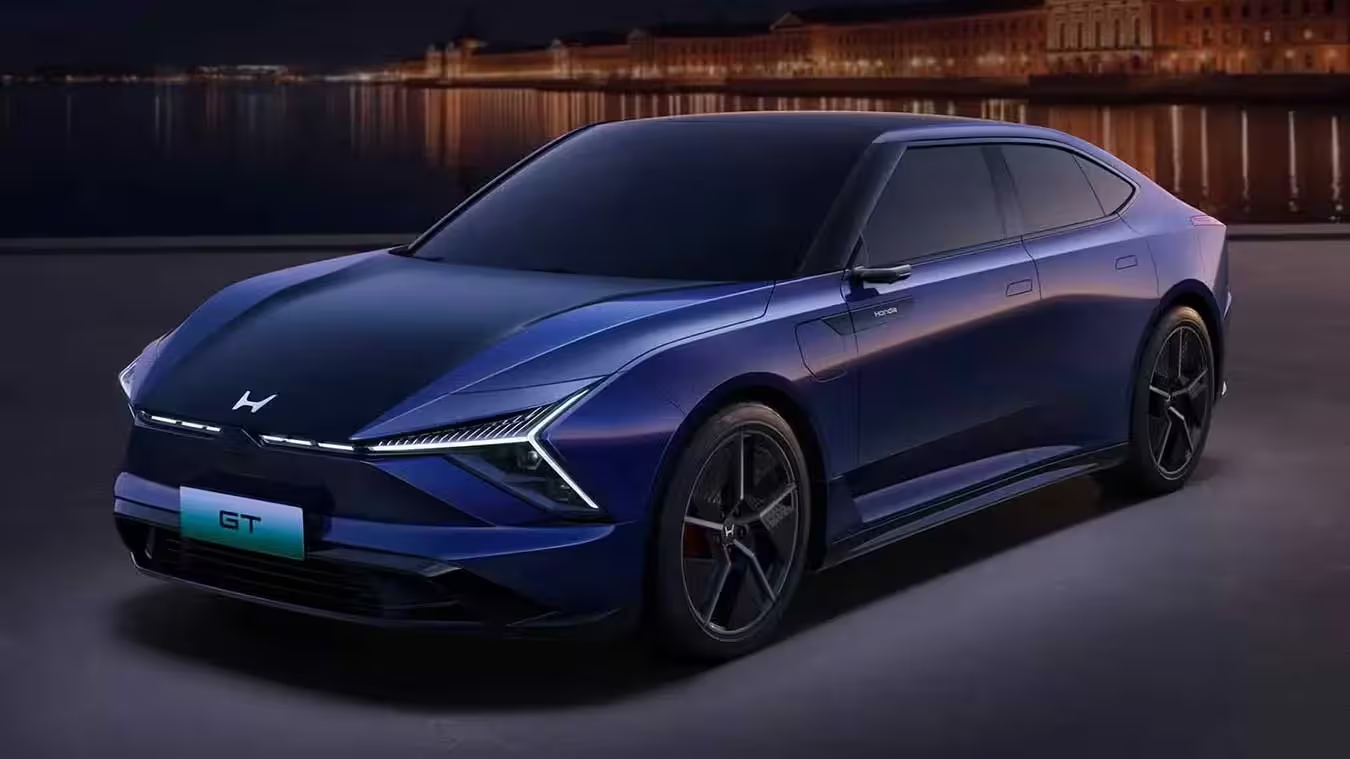
Electrification figures from the April–September period underline the gap: Honda sold only 2,991 battery-electric vehicles in China and has postponed the launch of its flagship electric model, with company managers acknowledging difficulty competing in the segment.
None of the four Japanese groups have announced plans to leave China. The market remains strategically important: it accounted for about 17 percent of Toyota’s sales in the last fiscal year, 18 percent of Honda’s and 21 percent of Nissan’s, and it is the second-largest market for each after the United States. To keep plants running, the companies are increasing exports of China-built vehicles, for example Nissan’s Frontier Pro plug-in hybrid pickups bound for South America and Mazda’s electric models exported to Europe.
Broader market shifts and competitive pressure
The slump is part of a wider industry shake-up in China. Luxury and legacy foreign brands are also under pressure: Porsche’s sales in China have fallen, BMW’s previous growth has cooled, and Audi has launched a dedicated new brand for the Chinese market. General Motors’ market share fell by about 6.9 percent in the first half of 2026, and the Changan-Ford joint venture’s annual sales have dropped from 957,500 units in 2016 to under 100,000 units more recently.
Industry observers say the rapid rise of domestic Chinese brands has transformed what was once a reliable growth market for foreign automakers into a highly competitive environment that demands substantial strategic change.


Leave a Comment
Comments
No comments yet. Be the first.