
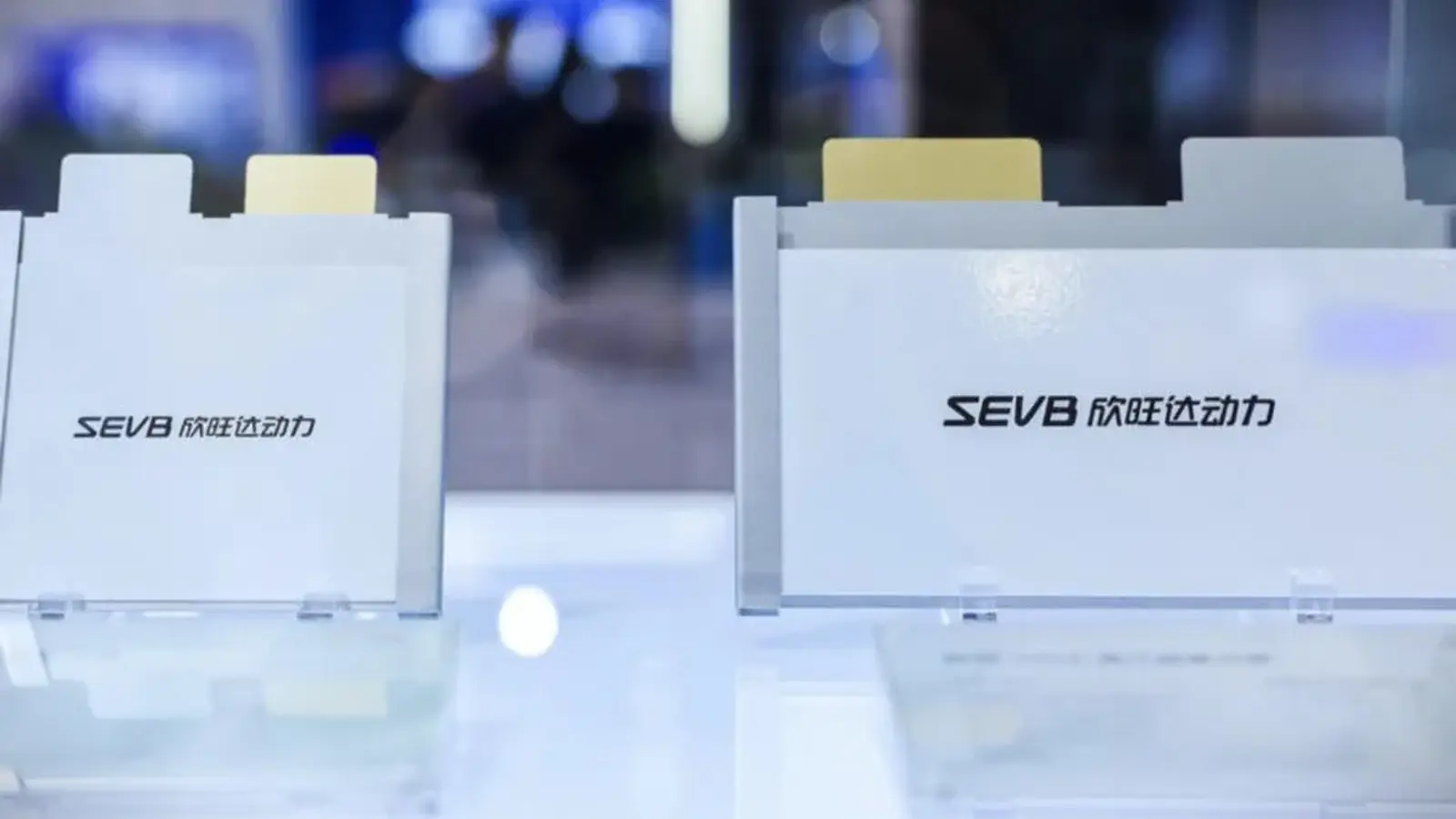
Sunwoda's 20 ampere-hour Xin Bixiao solid-state cell, claiming 400 watt-hours per kilogram and a successful Hot Box test at 200 degrees Celsius, is central to the company's push into next-generation EV batteries. The cell is said to tolerate more than 1,200 charge cycles when an external pressure below one megapascal is applied, according to answers Sunwoda's SEVB unit gave investors on October 30 on the Shenzhen exchange.
The Xin Bixiao program uses a polymer-composite electrolyte rather than the sulfide electrolytes that rival supplier CATL is pursuing. SEVB said the Xin Bixiao cell incorporates a 12 micrometer polymer-composite membrane and a high-entropy silicon nano-scale anode, details it tied to the cell-level performance claims it disclosed. Sunwoda did not name the automakers that are evaluating the cells, nor did it disclose the number of test samples.
Cell claims, limits and context
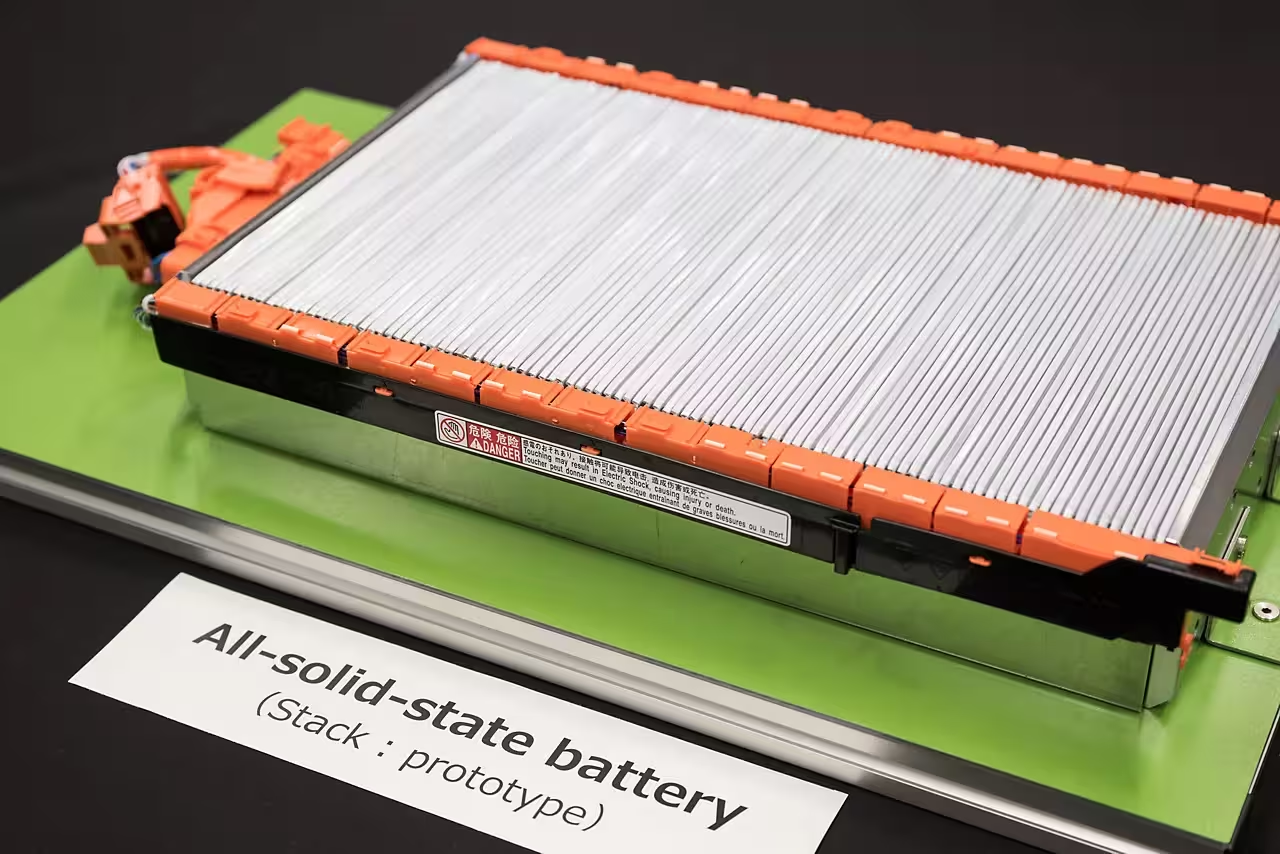
At cell level Sunwoda reports a 20 Ah polymer solid-state cell with 400 Wh/kg, endurance above 1,200 cycles under external pressure below 1 MPa, and a passed Hot Box thermal test at 200 degrees Celsius. The company frames the lower pressure requirement as an advantage because it reduces structural demands on a complete pack, but SEVB cautioned that cell-level results alone do not prove a pack-level design will be able to eliminate additional mechanical supports.
Sunwoda says the polymer-composite design can accommodate electrode volume changes and maintain contact between electrodes and electrolyte. By contrast, some sulfide-based designs require continuous external pressure to preserve contact during cycling and need moisture-controlled production to avoid hydrogen sulfide gas formation. CATL reaffirmed on October 27 its plan to start limited production of sulfide-based solid-state batteries in 2027 and previously showed a 20 Ah prototype in 2024. The two firms are therefore pursuing different electrolyte families with separate development timelines.
SEVB stressed that the current disclosures are updates on ongoing evaluations rather than announcements of a new customer test program. Earlier in May 2026 Sunwoda had said customers were already testing the cells, and the October statements appear to be progress reports on those prior trials.

Production roadmap, costs and partners
SEVB has an experimental production line with a nominal annual capacity of 0.2 gigawatt-hours. Its published roadmap includes development of a second-generation sulfide battery targeted for 2027 and a longer-term goal of cells exceeding 500 Wh/kg by 2030. SEVB and Sunwoda emphasize these as development targets and not firm commercial start dates.
Material cost differences remain significant. Shanghai Metals Market estimates the price of the sulfide electrolyte Li6PS5Cl at about 3,500 to 4,500 yuan per kilogram, while common liquid electrolytes are roughly 30 to 50 yuan per kilogram. These figures are not direct one-to-one replacements, but they illustrate a sizeable raw material cost gap between electrolyte approaches.
Sunwoda participates in a Guangdong battery engineering research center that has set targets of at least 450 Wh/kg for aviation cells and a continuous discharge power density target of 1,000 watts per kilogram for eVTOL applications. The company and the research center present aviation and eVTOL as potential applications for high energy density cells, while noting these objectives do not represent confirmed commercial orders or defined production volumes.

Investor questions on October 30 also touched on strategic shareholders Li Auto and Xiaomi and their battery plans. Sunwoda said it respects customer decisions and will support them by developing products and services. Li Auto previously agreed to invest 2.65 billion yuan, approximately 395 million US dollars, for an initial 8.79 percent stake in SEVB. Xiaomi has proposed a 1.7 billion yuan investment, roughly 253 million US dollars, for a 5.34 percent stake pending shareholder approval. Sunwoda confirmed neither Li Auto nor Xiaomi are publicly named evaluators of the current solid-state samples.
SEVB highlighted the next critical steps as vehicle-level validation and achieving a stable, repeatable manufacturing process. The company cautioned that pack integration, manufacturing yield, total cost, and long-term durability will ultimately determine commercial success, not cell-level metrics alone.


Leave a Comment
Comments (1)
400 Wh/kg and Hot Box at 200°C? sounds promising but where's the pack validation, sample size, automakers? feels premature…