
3 Minutes
LG’s push to bring Tandem OLED from iPad Pro to iPhone
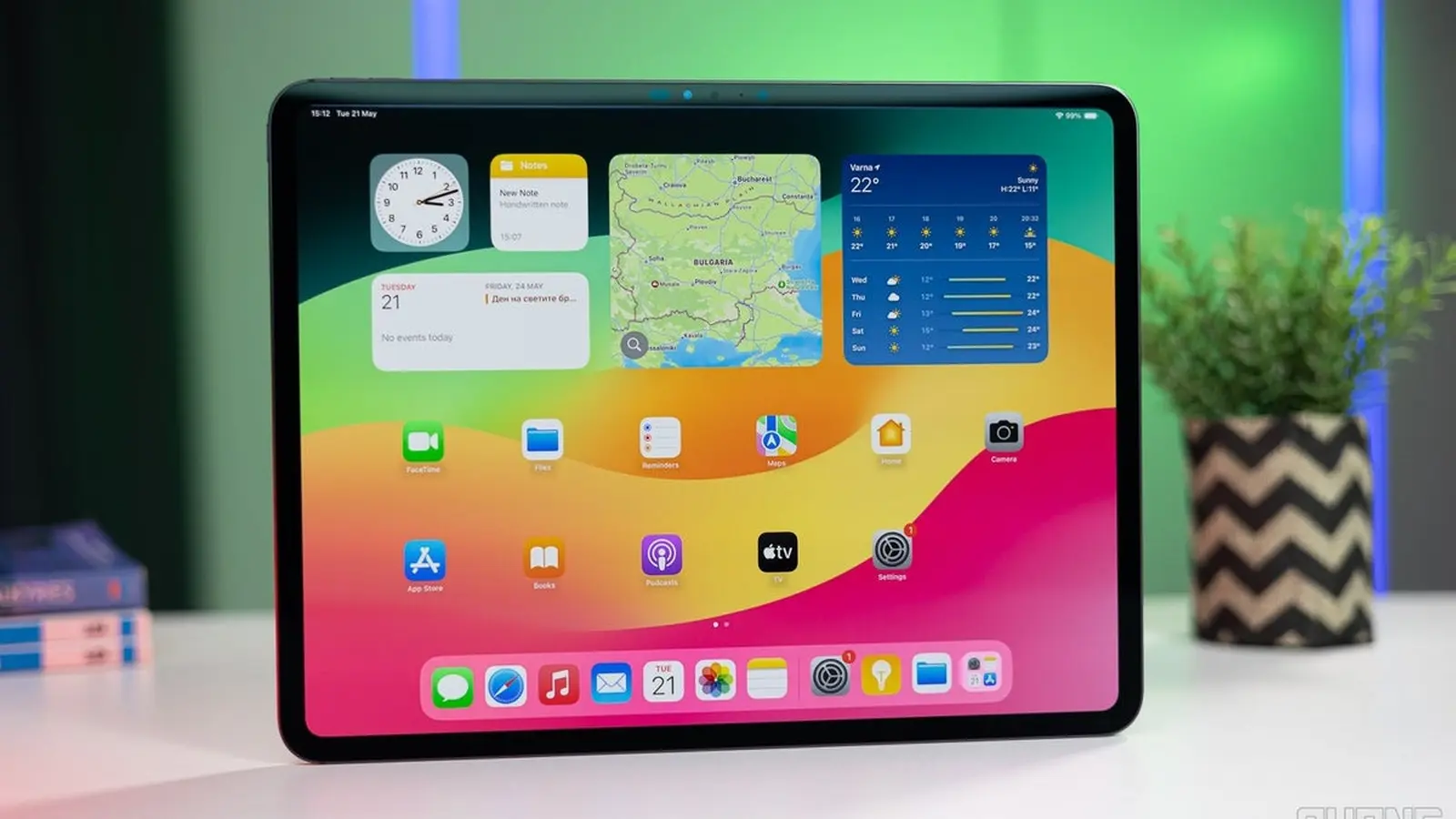
LG Display, the primary supplier of Tandem OLED panels used in Apple’s latest iPad Pro models, is lobbying Apple to adopt the same stacked-OLED technology for future iPhones. While Apple hasn’t finalized any plans, industry reports suggest Tandem OLED could arrive in Apple’s 2028 iPhone lineup—potentially the iPhone 20 series—if the company greenlights the transition.
How Tandem OLED works and why it matters
Tandem OLED stacks two independent OLED emitter layers on top of one another. That double-stack design boosts peak brightness, improves longevity, and can reduce power draw for certain content and brightness levels. The architecture also addresses one of OLED’s long-standing pain points: the faster degradation of blue subpixels. By controlling each layer independently, panel makers can balance output and aging, extending overall panel life while maintaining color accuracy and HDR performance.
Key technical benefits
- Higher brightness and improved HDR capability
- Extended display lifespan through reduced subpixel degradation
- Potential power efficiency gains under typical display workloads
- Better uniformity and sustained color fidelity over time
Product features and use cases
For consumers and pros, Tandem OLED could deliver tangible improvements in everyday use. Brighter screens with more consistent color make mobile HDR video, gaming, and photo editing on iPhone far more compelling. Professionals who rely on color-critical workflows—photographers, videographers, and designers—would benefit from displays that maintain calibration longer. In addition, AR/VR and advanced mixed-reality applications that demand high brightness and low latency could also see advantages from stacked OLED designs.

Comparison: Tandem OLED versus traditional OLED and competing tech
Compared with conventional single-stack OLED, Tandem OLED provides higher sustained luminance and improved longevity. Relative to competing display technologies—such as microLED—Tandem OLED is currently more mature and cost-effective for mass-market mobile devices. However, microLED promises even longer lifespans and higher brightness in the long term, albeit with steeper manufacturing challenges today.
Simplified tandem: Apple’s potential compromise
Previous reports indicate Apple may not adopt a full two-layer stack across the entire panel. Instead, Apple is reportedly interested in a “simplified tandem” approach: stacking two emitter layers only for blue subpixels while leaving red and green on a single layer. This hybrid solution addresses blue subpixel degradation—the most acute OLED aging issue—while controlling cost, complexity, and yield concerns associated with a full-matrix tandem build.
Advantages for Apple and LG
For LG Display, winning Apple’s iPhone business for Tandem OLED would be a major commercial victory. LG holds hundreds of Tandem OLED patents—348 registered in the U.S.—and increased iPhone orders would either make LG the dominant iPhone display supplier or significantly grow its share relative to Samsung Display, Apple’s other major display partner. For Apple, the advantages are improved brightness, longer display lifespan, and potentially better power efficiency—features that align with premium iPhone positioning.
Market relevance and outlook
The decision will hinge on technical trade-offs, cost, yield, and strategic supplier balance. A shift to Tandem OLED in 2028 would influence display supply chains, patent negotiations, and competitive dynamics between LG and Samsung. For consumers, the net result could be brighter, longer-lasting iPhone displays that better support HDR media and professional workflows.
Timeline and final thoughts
No public decision has been announced by Apple. If timelines reported by industry insiders hold, we could see Tandem OLED—or a simplified tandem variant—debut in Apple’s 2028 iPhone family. That transition would represent an incremental but meaningful evolution in OLED display technology for mainstream smartphones, balancing performance gains with manufacturing realities.
.avif "Apple Reportedly Plans Brightness and Battery Leap for Future iPhones with Advanced Tandem OLED Displays")



Leave a Comment
Comments
No comments yet. Be the first.