
4 Minutes
Bitget executive: why a broad altcoin season looks unlikely
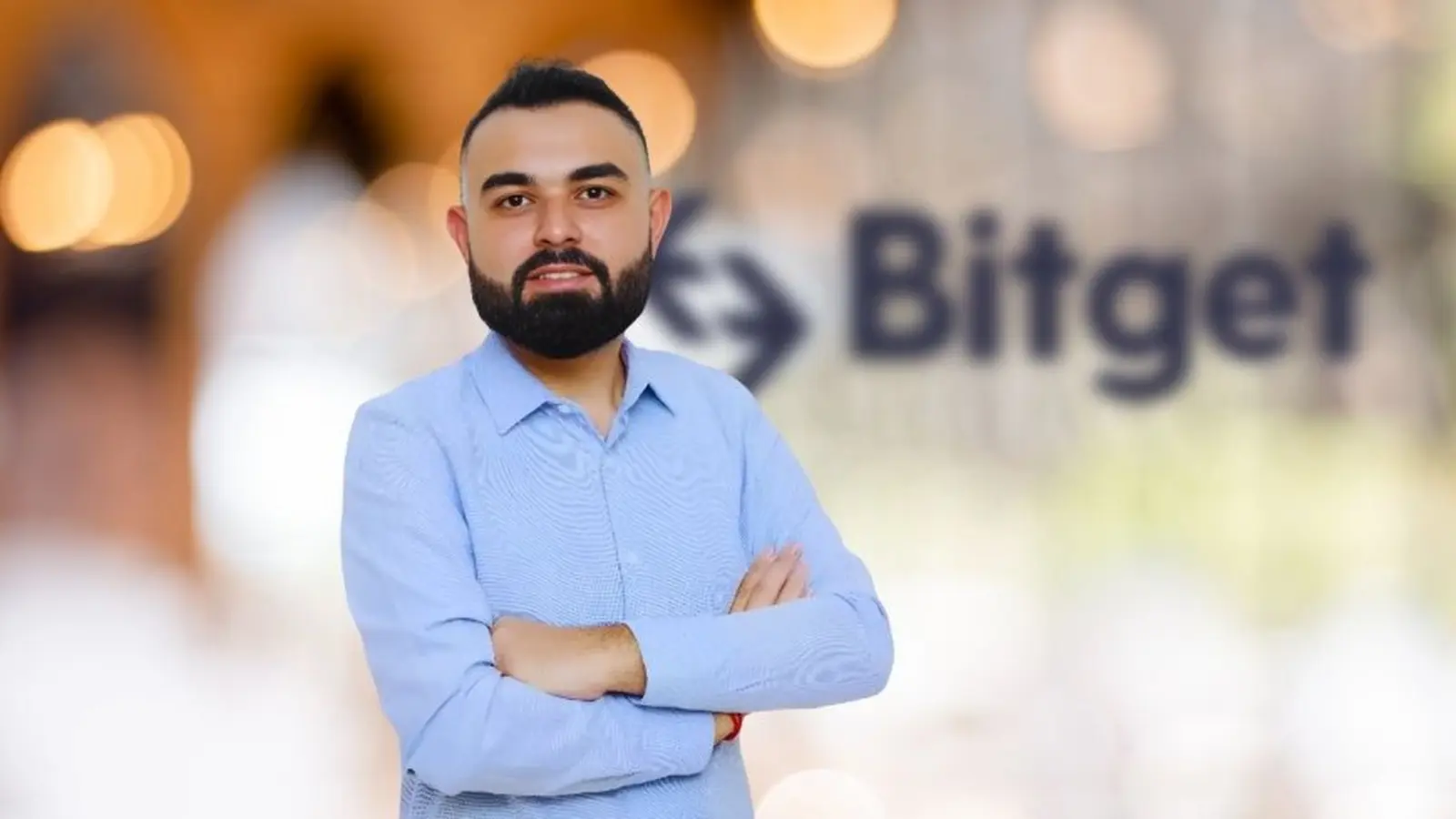
Bitget operating chief Vugar Usi Zade told Cointelegraph at Token2049 in Singapore that a wide-reaching altcoin rally — the kind where "everything goes up" — is improbable in the current cycle. According to Usi Zade, crypto projects have not produced the kind of technological breakthroughs, product rollouts, or compelling narratives that historically drive mass retail and institutional rotation into altcoins.
Altseason expectations vs. market reality
Altcoin season typically refers to phases when tokens other than Bitcoin outperform BTC because traders chase higher risk-to-reward opportunities. But Usi Zade argues the market no longer moves in those long, predictable seasons. "I don’t think there will be an altseason," he said, adding that a blanket surge across hundreds or thousands of tokens would lack a logical catalyst. Without meaningful innovations or clear product progress, why should token prices rise en masse?
Market dynamics: Bitcoin decoupling and focused narratives
One of the strongest themes Usi Zade highlighted is Bitcoin's growing independence. "Bitcoin is its own rally; its impact is almost zero on the rest of the market," he said, noting that BTC has decoupled not only from traditional equities but also from most altcoins. Traders increasingly observe instances where Bitcoin is green while the broader market is red, suggesting capital is not flowing downward from BTC into altcoins as it once did.
Narrative-driven rallies replace blanket seasons
Instead of broad altcoin seasons, Usi Zade predicts shorter, more concentrated rallies tied to specific narratives. For example, when real-world assets (RWA) become a hot topic, a basket of RWA-related tokens might rise — but those gains won’t necessarily spread to unrelated sectors. This fragmentation means crypto rallies will more often be sector-specific, benefiting projects that align with the prevailing narrative.
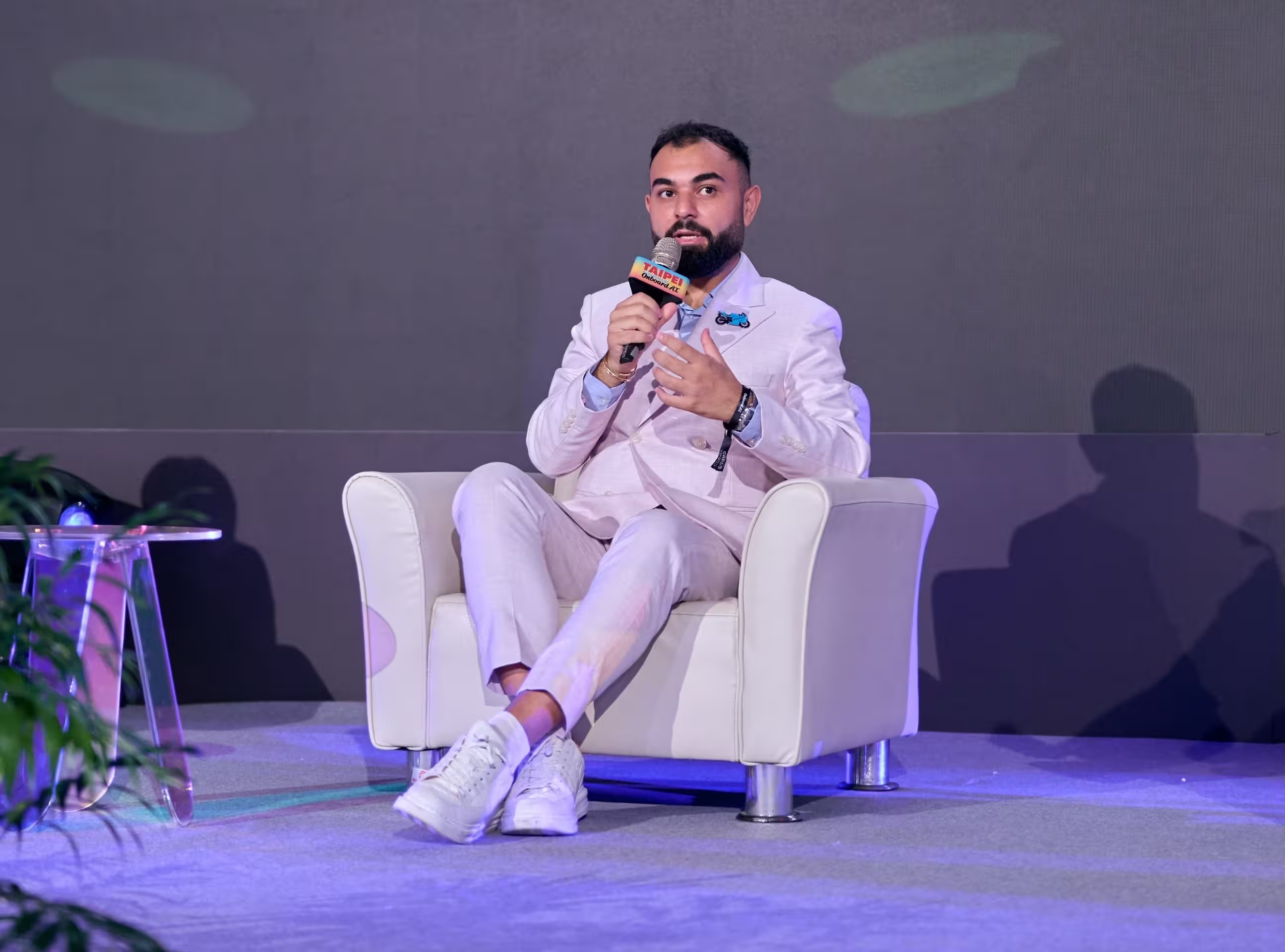
Vugar Usi Zade speaking on stage at Taipei Blockchain Week in September

Structural barriers to sustainable token growth
A deeper problem, he argues, is market structure and investor time horizons. Crypto investors tend to operate in short cycles and expect rapid returns. Usi Zade contrasted that with traditional companies: Amazon took more than a decade to become profitable, but crypto investors often expect token projects to demonstrate profitability within months. That mismatch pressures founders and token economies.
Token distribution and market health
Another structural issue is token liquidity and distribution. In traditional venture financing, early backers often sell to other institutional investors, enabling longer runway for companies. In crypto, tokens frequently hit the market early and become tradable by retail investors. Usi Zade warned that tokens are treated as separate products; if a token’s price collapses toward zero, the underlying project can be effectively dead because restoring market confidence is extremely difficult.
Portfolio advice: Bitcoin first, altcoins second
Given these dynamics, many market participants are now advising newcomers to focus primarily on Bitcoin rather than dividing allocations between Bitcoin and Ethereum or a wide range of altcoins. "Now, no one tells you Bitcoin and Ethereum anymore," he observed. "Everyone will tell you just Bitcoin." Although Ether has shown greater price stability recently, Bitcoin’s persistent rally and new highs have reduced the immediate incentive for many investors to buy ETH.
Market dominance and positioning
Data supports the shift toward Bitcoin-centered allocations. Bitcoin’s market dominance currently sits near 58%, down from a 12-month peak of 65%, while Ether’s share has climbed to about 12% from multi-year lows earlier this year. These figures highlight that, even as dominance fluctuates, capital concentration around major assets remains a central theme.
Implications for traders, developers and investors
For traders, the takeaway is to watch narratives and sector momentum rather than expect a simultaneous surge across the altcoin universe. For developers and token teams, the message is to focus on sustainable product development, clearer roadmaps, and long-term tokenomics that discourage early collapse. And for investors, Usi Zade’s view recommends cautious exposure to altcoins, prioritizing assets with stronger fundamentals, real utility, or proven adoption trajectories.

In a market that’s fragmenting into narrative-driven rallies and shorter cycles, indiscriminate bets on a broad altcoin season may be a risky strategy. The outlook favors concentrated, research-driven positions in projects that can demonstrate real technical progress and durable use cases.







Leave a Comment
Comments
No comments yet. Be the first.