

2 Minutes
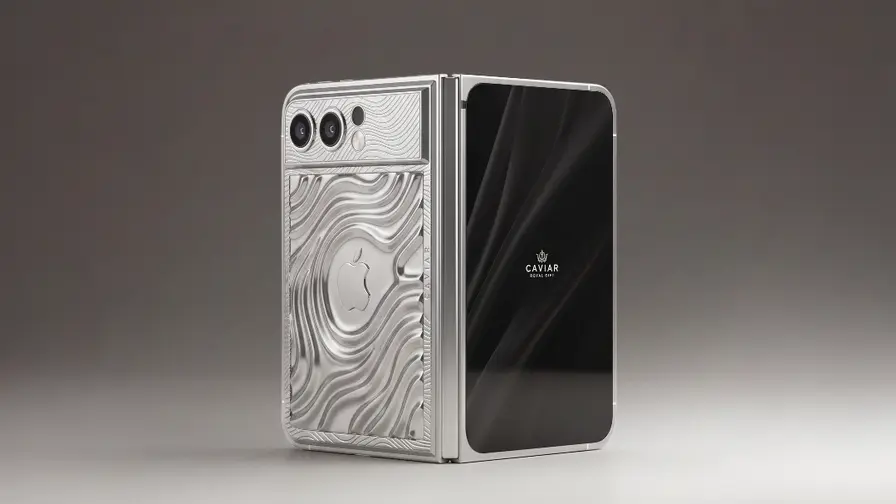
Apple’s long-rumored foldable iPhone could arrive with a surprising cost advantage: the hinge component appears far less expensive than analysts first expected. That change could reshape margins and intensify competition among parts suppliers as Apple prepares to launch its first folding handset.
Why the hinge is suddenly cheaper
Supply-chain analyst Ming-Chi Kuo — who has a strong track record on Apple rumors — reports the iPhone Fold’s hinge will cost roughly $70–$80 less than what the market had been pricing in. The primary driver, he says, is an assembly design optimization led by Foxconn, which cut manufacturing complexity and brought down per-unit costs.
What this means for Apple and consumers
Lower hinge costs give Apple flexibility: the company can either boost profit margins on each iPhone Fold sold or (less likely) pass savings to buyers. Historically, Apple has favored maintaining premium pricing, so expect the margins to improve rather than a big price cut at launch.
Who's making the hinge — and how the sourcing breaks down
Current production plans split hinge manufacturing among a few major suppliers, which also helps explain the falling price as manufacturers scale and refine assembly:
- About 65% of hinges will be made by a Foxconn and Shin Zu Shing joint venture.
- Roughly 35% will come from Amphenol.
- Luxshare-ICT could join the supply chain sometime after 2027, potentially driving costs down further.

A new battleground for system assemblers
With margins on the line, component makers and contract assemblers are competing aggressively to win hinge contracts. The hinge is no longer a small part — it’s becoming a strategic component where design, yield and assembly efficiency directly affect phone-level profitability.
Imagine the foldable market a few years from now: if hinge costs continue to fall, foldable phones could either become more profitable for OEMs or more accessible to mainstream buyers. For now, Apple’s likely play is the former — squeezing more margin from a premium product while preserving its pricing strategy.
Quick takeaways
- Ming-Chi Kuo reports a $70–$80 reduction in expected hinge cost.
- Foxconn + Shin Zu Shing will produce ~65%, Amphenol ~35%.
- Luxshare-ICT may join after 2027, signaling further cost pressure.
- Cost savings stem mainly from assembly design optimizations.




Leave a Comment
Comments
No comments yet. Be the first.