
3 Minutes
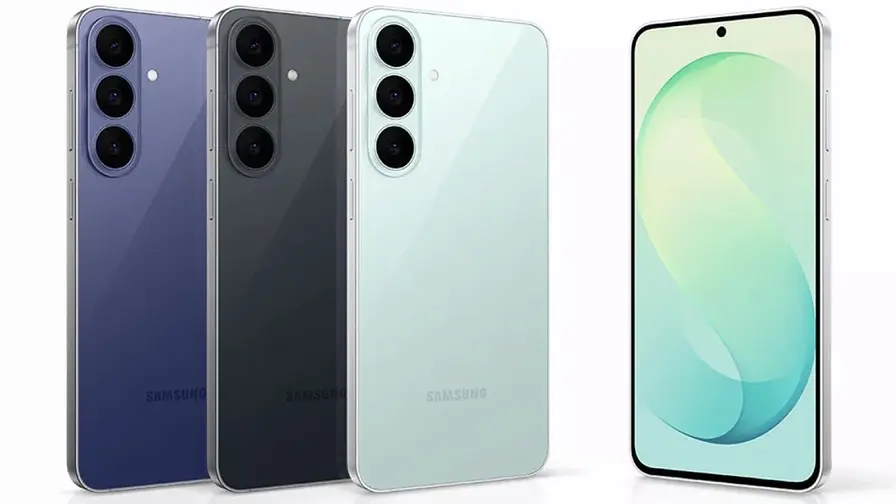
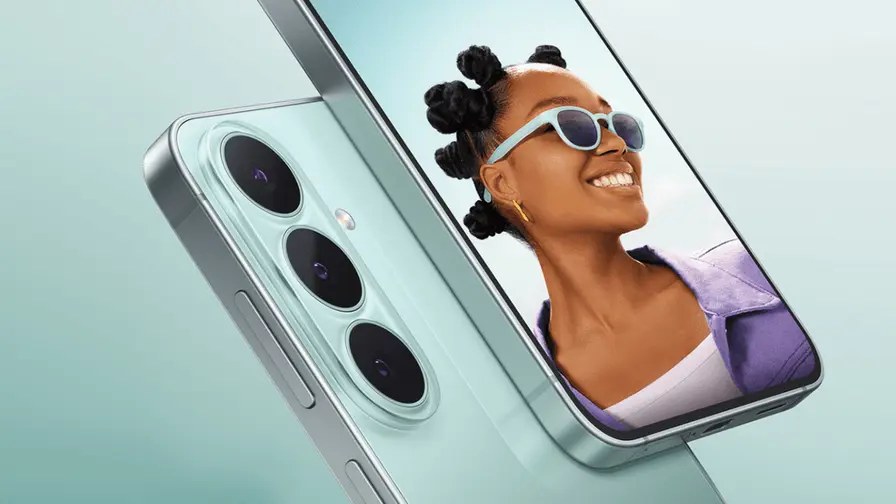
Samsung used its latest earnings update to offer a first glimpse of the Galaxy S26 era: faster performance, on-device AI, and more custom silicon. The company says the next S-series will bring a user-focused AI experience plus upgraded chips and camera hardware that could reshape how Samsung phones perform in 2026.
What Samsung actually revealed
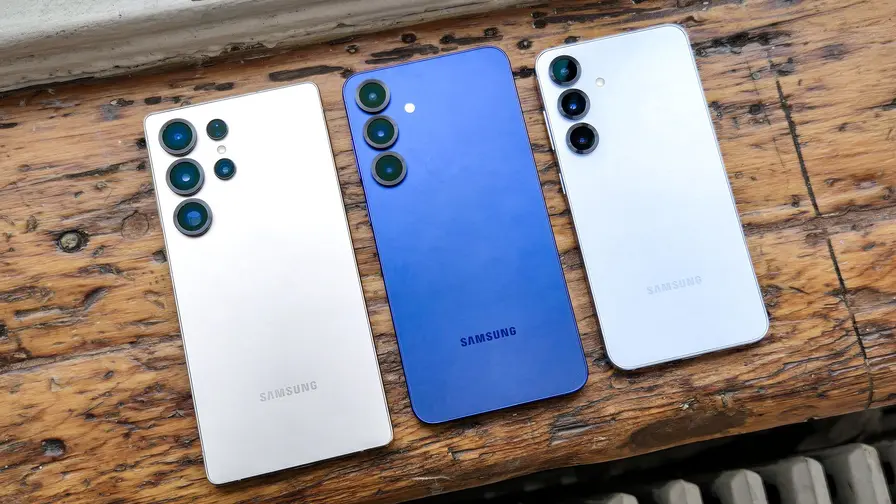
During the third-quarter financial briefing, Daniel Araujo, VP of Samsung's Mobile Experience Division, described the Galaxy S26 series as a step-change in experience driven by 'user-centric, next-gen AI, a second-generation custom AP, and stronger performance, including new camera sensors.' That short line hints at two big themes: a heavier push into on-device AI and a tighter integration of Samsung-made silicon.
Custom APs and the race to smaller process nodes
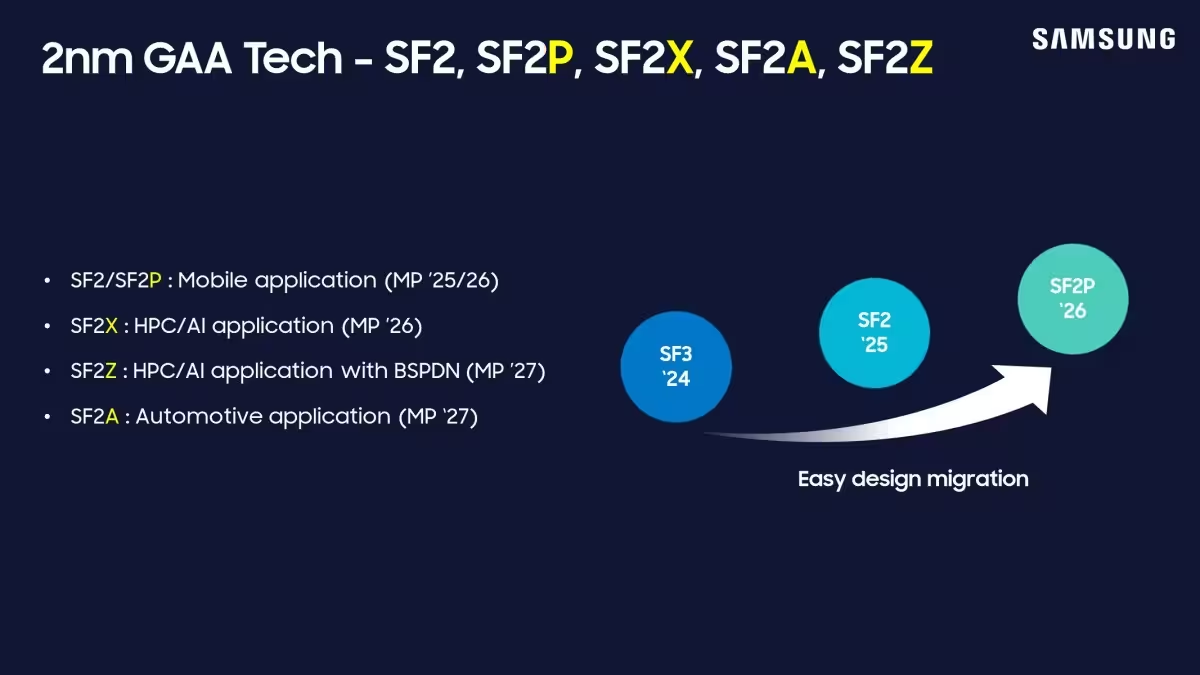
AP means application processor, the chipset at the heart of every smartphone. Samsung appears to be talking up a second-generation custom AP strategy — and that raises immediate questions about its Exynos road map. Rumors point to an Exynos 2600 built on an advanced 2nm node, which would be a major manufacturing milestone if true. The naming is a little confusing: some see the 2nm Exynos 2600 as 'first gen' for the 2nm era, while others treat it as a follow-up to the Exynos 2500 already exclusive to the Galaxy Z Flip7.
Dual sourcing, 'for Galaxy' Snapdragon chips, and regional splits
Samsung is also expected to keep using Qualcomm silicon in some variants. Reports say certain Snapdragon 8-class chips will be dual-sourced, with 'for Galaxy' versions manufactured at Samsung foundries — exactly the kind of custom AP Araujo may have been referring to. Industry chatter suggests the Exynos 2600 could power most S26 units globally, while markets such as the US, China and Japan might receive a Snapdragon 8 Elite Gen 6 variant instead. But Samsung stresses the decision is still under evaluation, so nothing's finalized yet.
Beyond the main chipset: a new connectivity chip
Separately, leaks indicate Samsung is developing a new Exynos connectivity chip to handle Wi‑Fi and Bluetooth duties. That's noteworthy because the Galaxy S25 family used Qualcomm's FastConnect 7800 for wireless connectivity. Swapping to an in-house connectivity solution would mirror moves by other smartphone makers — Apple recently introduced the N1 connectivity chip on its iPhone Air. A dedicated Exynos connectivity part could give Samsung more control over wireless features and optimizations, independent of the main AP.
Why the silicon shuffle matters
Custom APs and connectivity chips allow deeper hardware-software co-design. For users, that can mean improved battery life, lower latency for AI tasks, more sophisticated camera processing, and unique features exclusive to Samsung devices. For the company, it reduces dependency on outside suppliers and can boost margins if manufacturing scales efficiently.
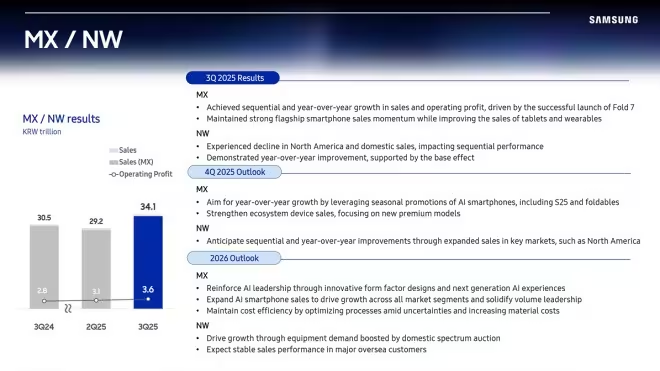
Samsung's 2026 priorities for the Mobile Experience Division
Looking ahead, Samsung says its MX division will emphasize AI-driven smartphone features, health-focused AI on watches, refreshed true wireless earbuds, and aggressive moves in the foldables category. Expect on-device ML enhancements for photography, smarter assistants that process data locally, and new health sensors and algorithms in Galaxy Watches that lean on AI for insights.
- Key takeaways: Samsung is investing in custom chips and on-device AI for the S26.
- Exynos 2600 could be an advanced 2nm part, but naming and chronology remain debated.
- Qualcomm Snapdragon variants will likely remain for some regions, possibly as 'for Galaxy' chips produced at Samsung fabs.
- Samsung may introduce its own connectivity chip to replace Qualcomm's FastConnect module.
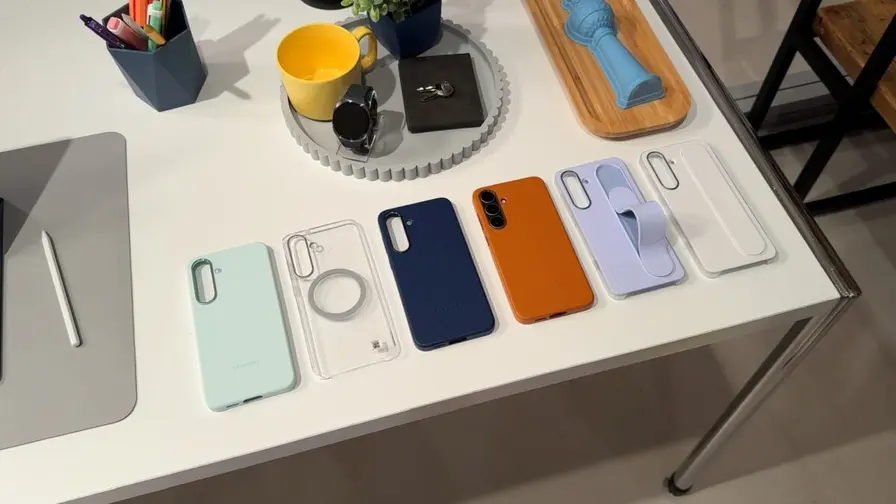
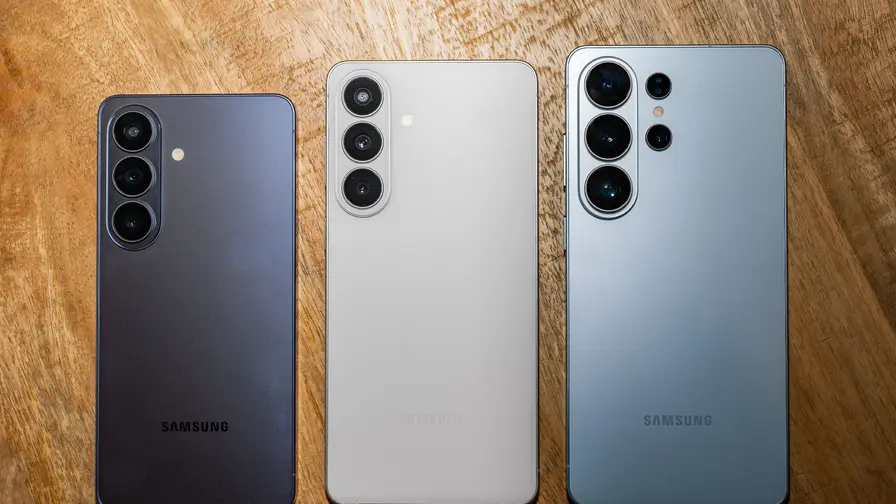
With chip evaluations still underway, Samsung's S26 rollout may continue to evolve — but the message is clear: tighter hardware integration and a stronger AI focus will define the next Galaxy flagship generation.


.webp "Redmi 17C 5G: 6.9-inch Screen and 6,000mAh Power Lands")

Leave a Comment
Comments (2)
If that's true then on-device AI will be sweet, but Samsung pls stop fragmenting chipsets across regions, it's annoying.
Wait 2nm Exynos? sounds exciting but is Samsung for real, or just hype? Dual sourcing still messy, hope perf & battery not tradeoffs.