
3 Minutes
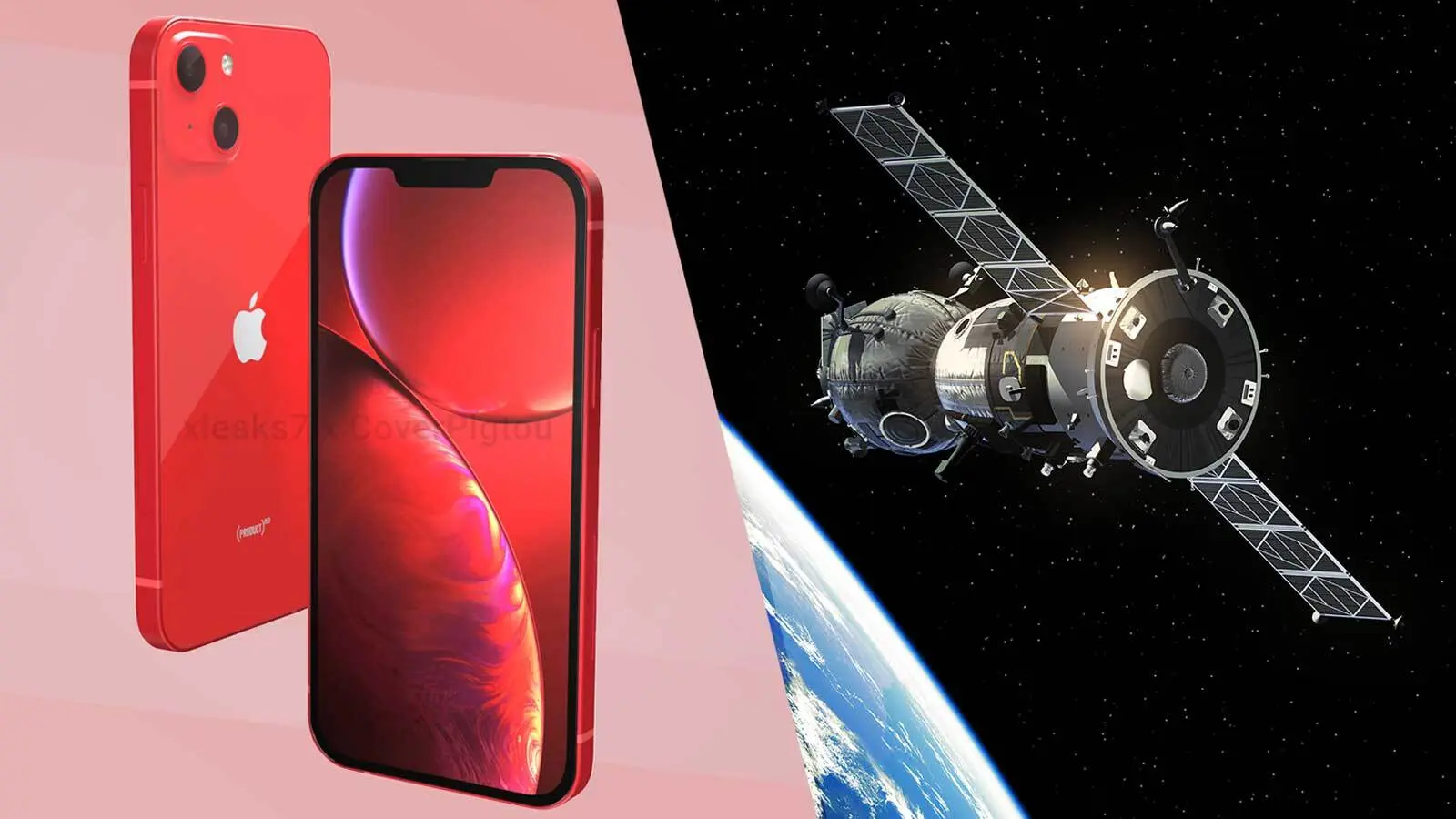
Apple is reportedly expanding iPhone connectivity beyond traditional carriers with a suite of satellite-powered features. Industry reporting suggests these capabilities could arrive in the next generation of devices, bringing messaging, maps and developer tools to areas with limited cellular coverage.
What Apple might add — five features to watch
Mark Gurman of Bloomberg says Apple has explored a range of satellite options internally — even debating whether to launch its own service. While some executives resisted the idea of Apple acting like a carrier, several satellite-driven features may still make their way into future iPhones.
- 5G NTN support: iPhones expected in 2026 could adopt 5G Non-Terrestrial Network (NTN) standards, letting cell networks extend coverage via satellites and reduce dead zones.
- Photos over satellite messaging: Beyond the current emergency text-only satellite messaging, Apple may enable images to be sent through Messages using satellite links.
- Satellite framework for developers: Apple could provide an API so third-party apps integrate satellite connectivity — with feature availability varying by app and use case.
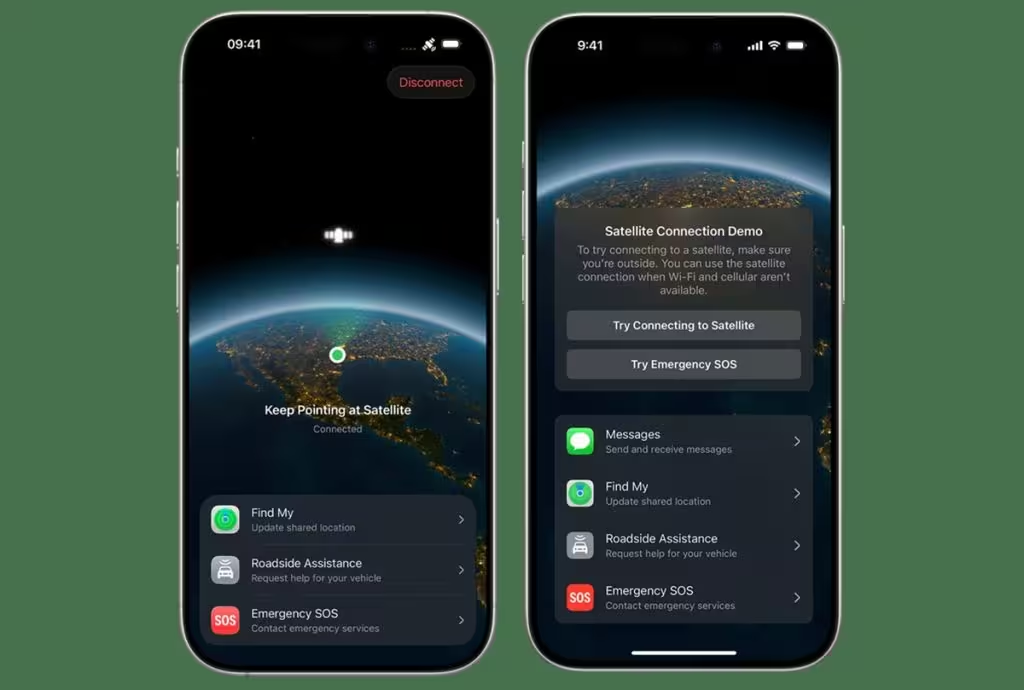
- No more sky-pointing rituals: Apple aims to make satellite connections more natural, removing the need for users to manually orient their phones toward the sky.
- Satellite-backed Apple Maps: Offline navigation via satellites would let users get turn-by-turn directions when Wi‑Fi and cellular are unavailable.
How Apple plans to deliver it — partners and limitations
Today, Apple relies on Globalstar for its satellite link. Rolling out richer features will need substantial upgrades to Globalstar’s network and supporting systems. That company is reportedly in talks with SpaceX about a possible acquisition — a move that could accelerate the technical rollout if completed.
Apple reportedly intends to offer many of these satellite-driven basics at no extra cost, while giving users the option to buy advanced services from carriers, SpaceX or other satellite providers. However, despite SpaceX negotiating with carriers to enable phone and video calls over satellite, Apple currently has no plans to support voice or video calling over satellite for iPhones.
What it means for users and developers
Imagine being off-grid and still sending an image to a friend, getting reliable navigation in a remote area, or having an app that can fall back to satellite when cellular drops — that’s the promise. But not every app or feature will automatically work over satellite; developers will likely need to adopt Apple’s satellite framework selectively and optimize for bandwidth and latency constraints.
Timing matters too. Reports point to 2026 devices supporting 5G NTN, so widespread availability depends on satellite upgrades, partner deals, and regulatory approvals. Still, the direction is clear: Apple wants to make connectivity less dependent on cell towers, giving users more ways to stay online when it counts.









Leave a Comment
Comments
No comments yet. Be the first.