
2 Minutes
Global smartphone shipments are set to tick up in 2025, driven largely by exceptional demand for Apple's iPhone 17 series. New figures from IDC show a modest overall industry rebound — but warning signs for 2026 are already emerging.
Apple's holiday push and rising market appetite
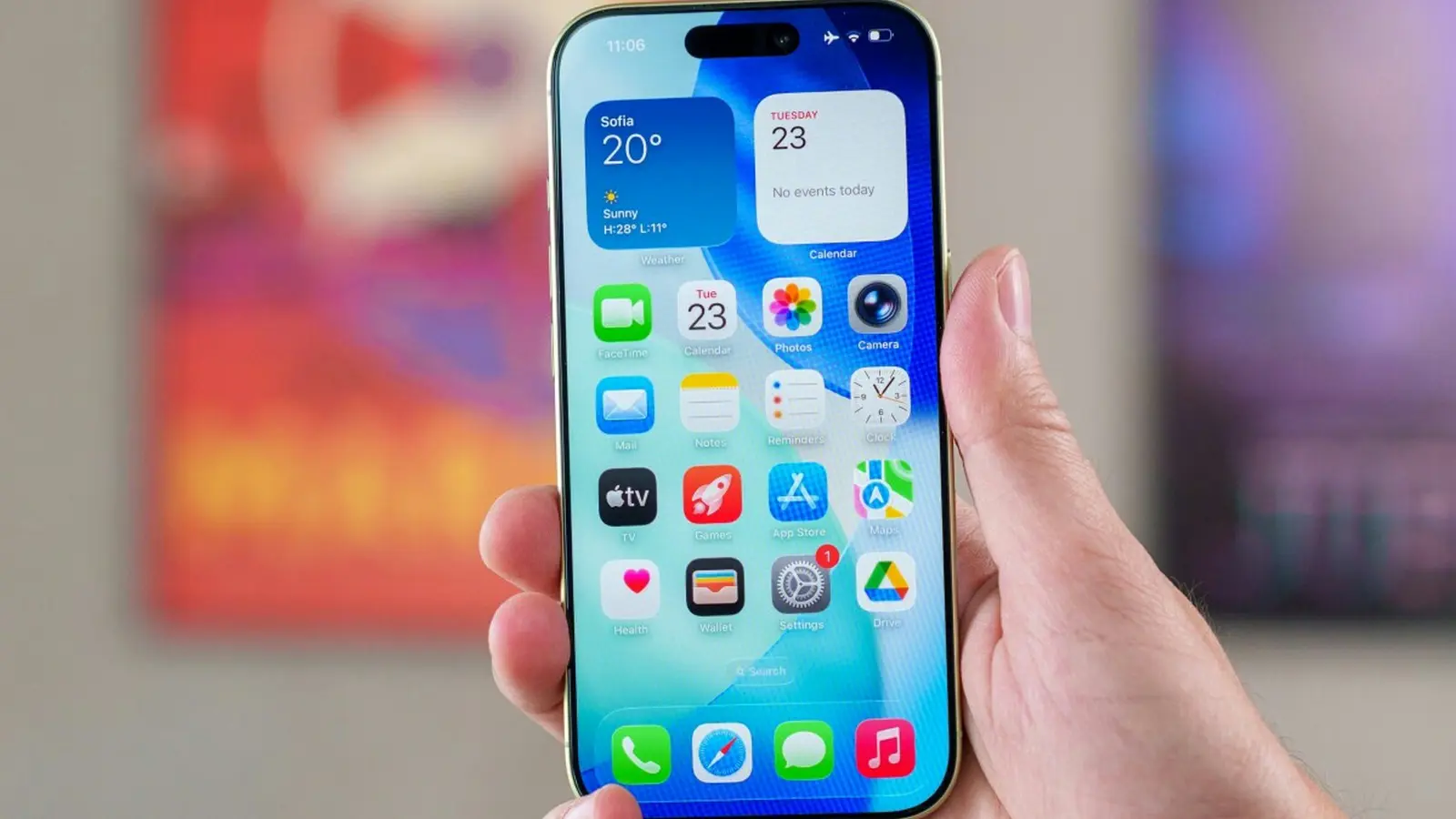
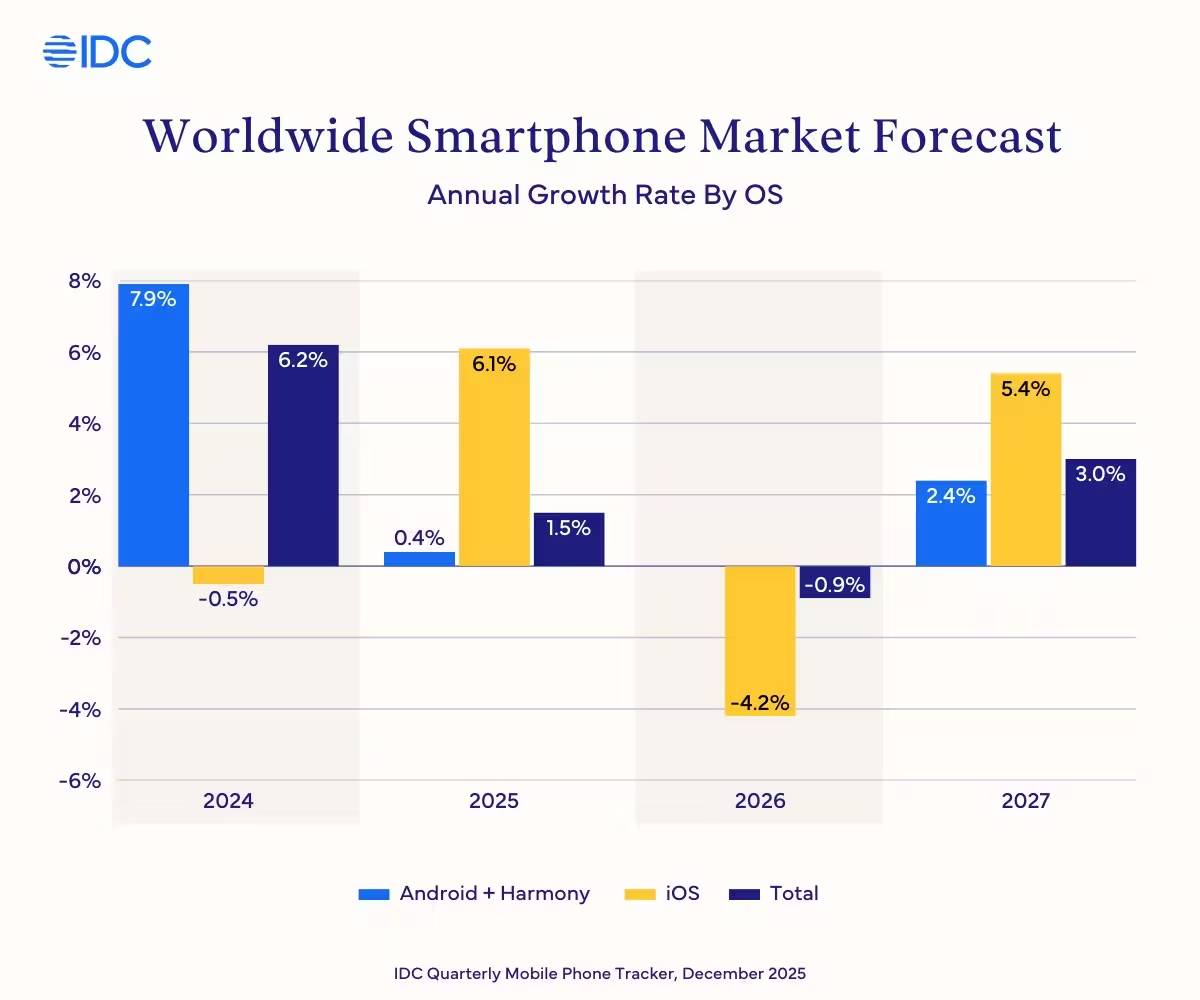
IDC now projects roughly 1.25 billion smartphones will be shipped in 2025, a 1.5% increase from 2024. Much of that lift stems from Apple: the research firm expects more than 247 million iPhone 17 series units to ship next year, a result of strong holiday-quarter sales and growing traction in China and emerging markets.
China Monthly Sales data from IDC pinpoints the iPhone 17 as a major market driver, helping Apple secure the top sales spot in both October and November. That momentum also nudged iOS ahead of Android and HarmonyOS in annual growth rates — a rare swing in the platform race.
Regional gains — and a surprising revision for China
Better-than-expected iPhone demand prompted IDC to revise Apple's outlook in China. What had been a projected 1% decline for 2025 was flipped into a roughly 3% increase. Similar strength showed through in the US and Western Europe, underscoring how a single successful model cycle can lift multiple regional markets.
Why 2026 looks tougher
Despite the upbeat 2025 picture, IDC warns of a 1% drop in global shipments for 2026. Two main factors explain the slowdown:
- Rising memory component costs, which IDC says could push the average selling price (ASP) of a smartphone to about $465.
- Apple's rumored schedule shake-up — reports suggest the base iPhone 18 launch might shift from fall 2026 to early 2027, which would pull some demand out of the 2026 cycle.
Higher component prices usually translate into higher retail prices or compressed manufacturer margins, either of which can soften consumer upgrades. And when a flagship vendor like Apple delays a refresh, the ripple effects are felt across the supply chain and channel inventories.
What to watch next
Keep an eye on memory-chip pricing and Apple’s official product calendar. If chip costs stabilize or Apple confirms a 2026 launch cadence, the market could regain momentum. Otherwise, a slight contraction next year looks increasingly plausible.
For readers tracking smartphone industry trends: 2025 appears to be a year where a single hit product — the iPhone 17 — can reshape forecasts, but structural cost pressures and timing shifts may make 2026 a more cautious story.

.webp "Redmi 17C 5G: 6.9-inch Screen and 6,000mAh Power Lands")
Leave a Comment
Comments
No comments yet. Be the first.