
3 Minutes
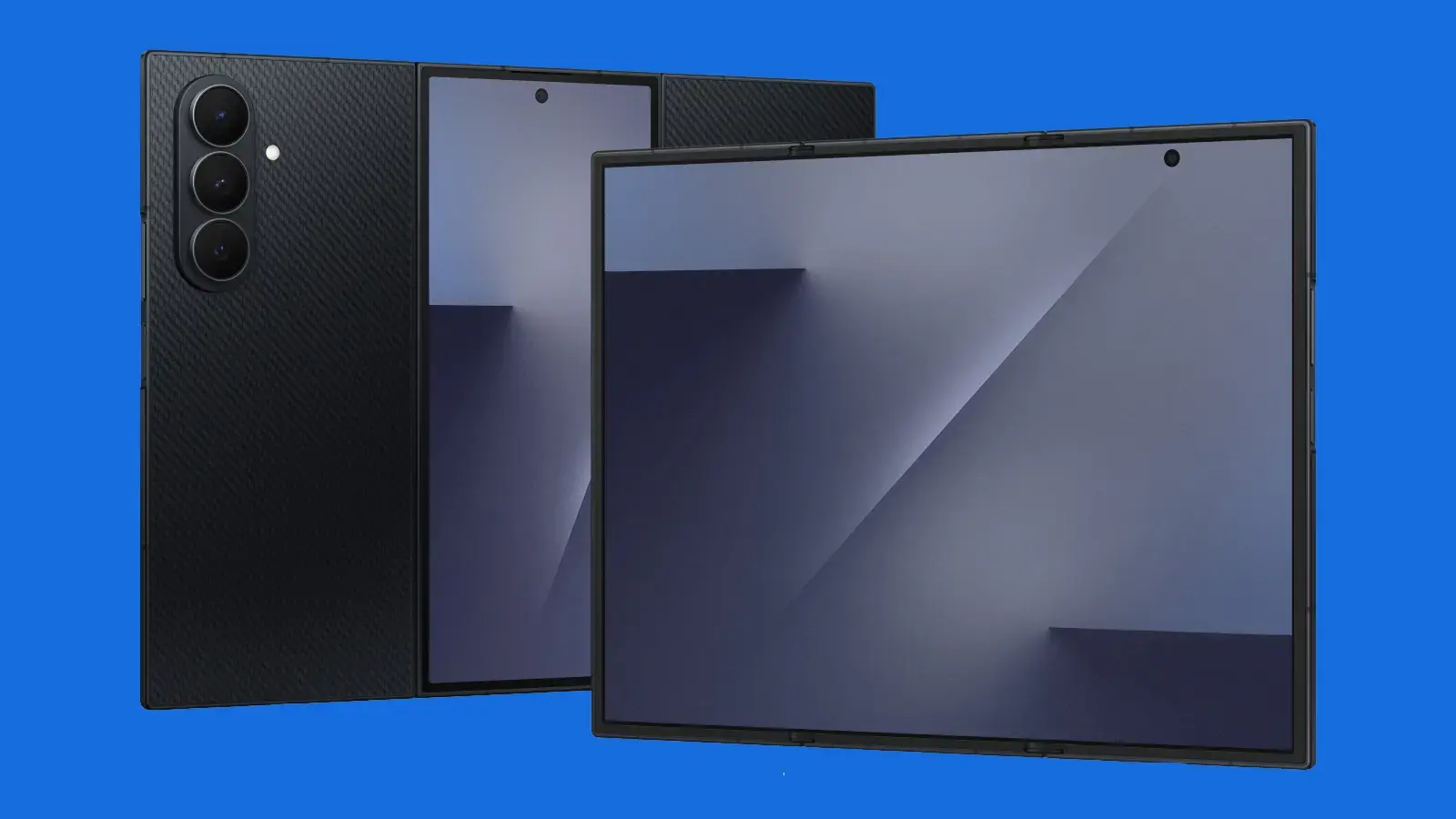
Samsung’s triple-fold phone was supposed to showcase the company’s ambition in foldable design — but fresh Geekbench 6 results paint a different picture. Leaks ahead of the December 12 South Korea launch reveal underwhelming performance for the Galaxy Z TriFold, raising questions about Samsung’s chip choices and real-world speed.
Leaked Geekbench 6 scores spark concern
Independent leaks and benchmark captures circulating on social media and hardware forums show the Galaxy Z TriFold posting a single-core score of 2,853 and a multi-core result of 8,501 on Geekbench 6 (build F968NKSU1AYK8). Those numbers come from unofficial sources such as SammyGuru and a tweet highlighting the listing; Samsung has not confirmed the figures.
Why does that matter? Those scores fall short of Qualcomm’s official Snapdragon 8 Elite numbers by roughly 9.6% on single-core and about 12.6% on multi-core — a gap that’s bigger than what we typically see when handset makers tune chips for real devices.
Specs roundup: flagship hardware, puzzling performance
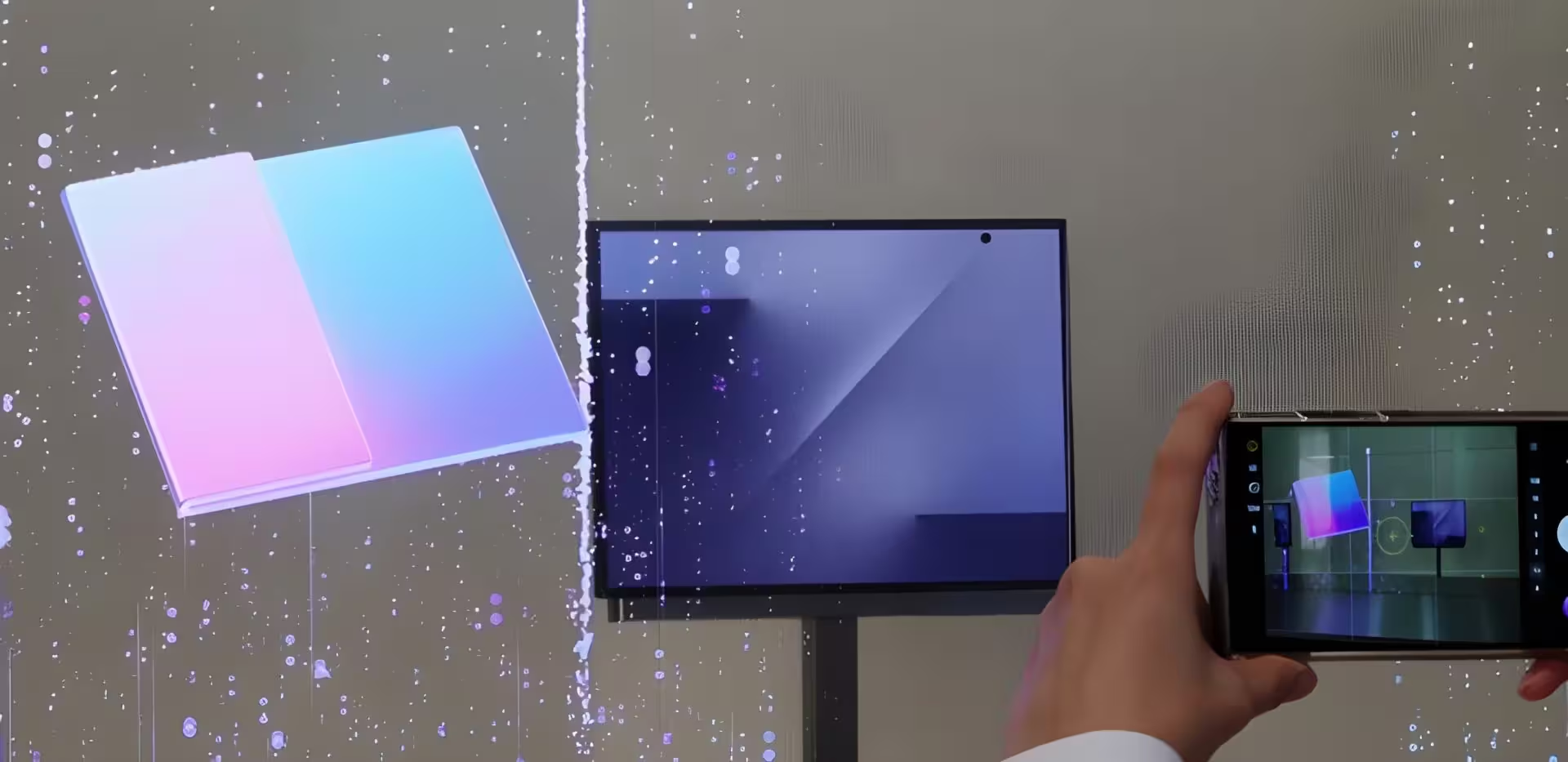
On paper, the TriFold looks like a heavyweight: it ships with the Snapdragon 8 Elite, One UI 8, and 16GB of RAM. The device packs two premium screens — a 10-inch Dynamic LTPO AMOLED interior display (2,160 x 1,584) and a 6.5-inch FHD+ outer Dynamic LTPO AMOLED (2,520 x 1,080) — both supporting a 1–120Hz variable refresh rate and high peak brightness claims (1,600 nits inner, 2,600 nits outer). Other headline specs include a 5,600mAh battery with 45W wired charging, IP48 dust/water resistance, and a camera array led by a 200MP main sensor, plus 12MP ultrawide and a 10MP telephoto lens. The phone’s unfolded dimensions are 159.2 x 214.1 x 3.9–4.2 mm and it folds up to roughly 12.9 mm thick.
Key specs at a glance
- SoC: Qualcomm Snapdragon 8 Elite
- RAM: 16GB
- Displays: 10" inner (2,160 x 1,584) and 6.5" outer (2,520 x 1,080), both 1–120Hz LTPO
- Battery: 5,600mAh, 45W wired charging
- Cameras: 200MP main, 12MP ultrawide, 10MP telephoto, dual 10MP selfies
- IP rating: IP48
- Price at launch (South Korea): ~ $2,447; on-sale December 12
Performance gap: tuning, thermals, or cost cuts?
Smartphone chips often score below the manufacturer’s raw numbers because of thermal throttling, power budgets, and software tuning. Still, the TriFold’s shortfall is notable. Industry observers point to a few possible causes: conservative thermal management in a compact folding chassis, power-limited tuning to protect battery life, or simply cost and supply decisions that led Samsung to stick with the Snapdragon 8 Elite rather than the newest chip generation.
Samsung’s own explanation has been that the company prioritized delivering a polished, finished product rather than chasing the latest silicon — a statement that hasn’t satisfied critics. When a device costs well into four figures, buyers expect both cutting-edge design and competitive raw performance.
What this means for buyers and the foldable market
Benchmarks don’t tell the whole story: UI fluidity, multitasking across foldable panels, display responsiveness, and camera results matter a lot for real-world experience. But leaked results like these can dent the halo effect of a flagship launch. If rivals deploy newer SoCs and better thermals in competing foldables, Samsung could face pressure on both performance perception and price justification.
For shoppers in South Korea watching the December 12 rollout, the decision comes down to whether the TriFold’s unique triple-fold form factor and premium displays outweigh a noticeable benchmark deficit — and whether Samsung’s software and build quality deliver the premium experience its price tag implies.
Watch points before buying
- Independent reviews that test sustained performance and thermal behavior.
- Battery life tests under mixed use (screens at variable refresh rates).
- Real-world camera and multitasking tests on the tri-fold display setup.


.webp "Redmi 17C 5G: 6.9-inch Screen and 6,000mAh Power Lands")
Leave a Comment
Comments (2)
TriFold looks cool, but pricey for a chip that lags. If Samsung nails UI multitasking and camera, maybe worth it, otherwise I'll pass. sigh
Is this even real? those Geekbench leaks look low, but Samsung could be throttling for thermals or to save battery. Still $2.4k and underperforming? Not great, need full reviews