
3 Minutes
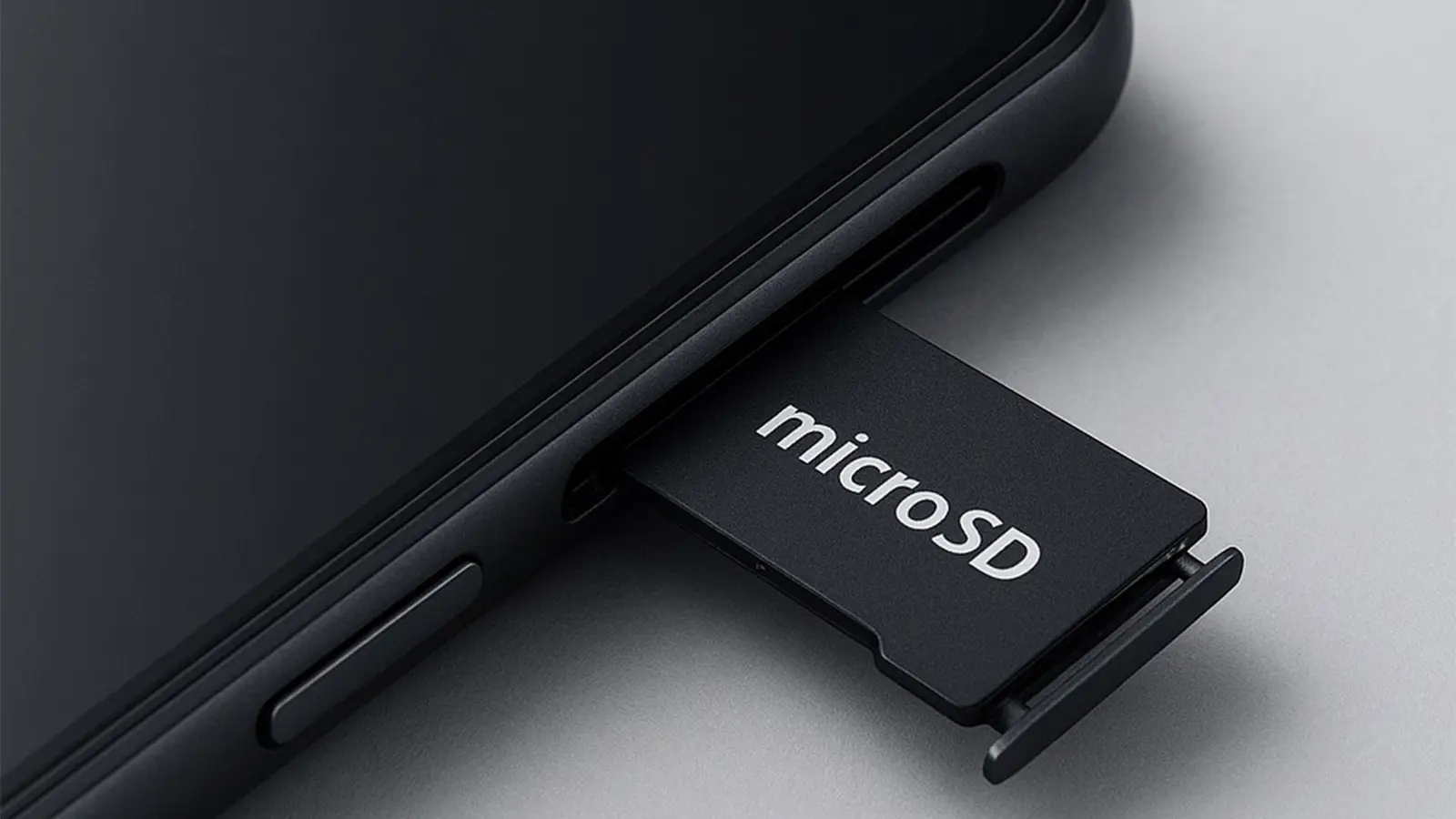
Smartphone makers are reportedly rethinking a feature many users mourned: the microSD card slot. As DRAM prices soar and component shortages bite, adding expandable storage could become a practical way to keep device prices competitive and give buyers more choice.
Why rising DRAM costs are reshaping phone design
This year’s DRAM shortage has shaken the supply chain. Memory prices, especially for high-speed LPDDR5X modules, have jumped sharply — one estimate put a 12GB LPDDR5X chip at about $70 versus roughly $33 earlier in the year. Even big suppliers are tightening lines: reports suggest Samsung’s Device Solutions unit is offering shorter, quarterly contracts to its mobile arm rather than open-ended supplies.
That squeeze makes flagship memory configurations expensive to produce. For manufacturers, the choice becomes absorb the added cost and hurt margins, or pass it on to customers with pricier SKUs. Either way, consumers end up feeling the pinch — unless there’s another lever to pull.
microSD makes a comeback — cheaper upgrades, more buying flexibility
Enter the microSD slot. For years it was the simple, low-cost way for users to upgrade storage without choosing a more expensive model. The rumor circulating on Chinese social channels and through suppliers is that some phone makers are seriously considering bringing the slot back to let buyers buy base storage models and expand later with cards.
That’s not just a convenience play. If manufacturers offer a base 128GB phone plus a microSD option, customers can avoid paying steep premiums for higher built-in storage. Companies keep price-sensitive buyers in the ecosystem and maintain shipment volumes while sharing less of the DRAM hit.
Faster cards erase the old performance excuse
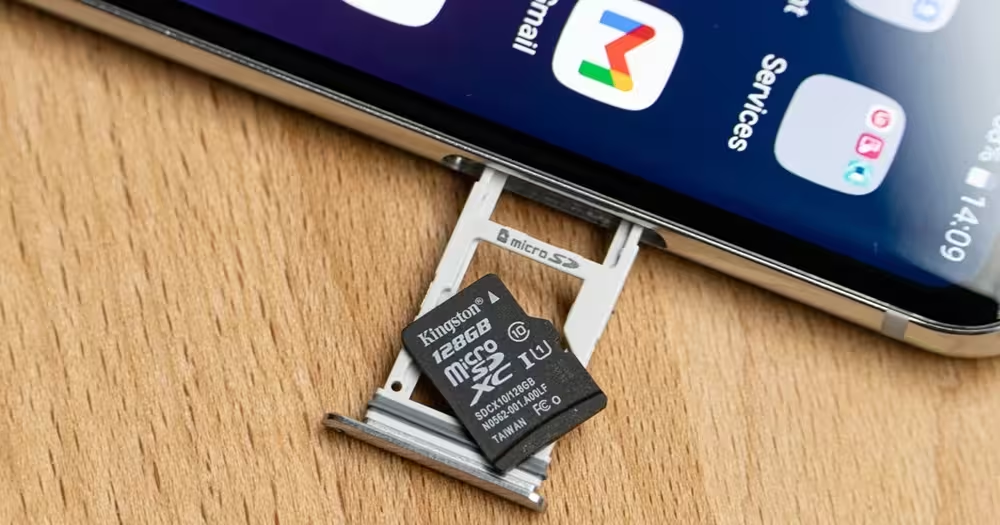
One reason many brands removed expandable storage was performance: internal memory used to outperform cards by a wide margin. Now microSD Express and high-end UHS standards narrow that gap dramatically. For example, some microSD Express cards promise up to 800MB/s read speeds — enough for large photo libraries, 4K/8K video workflows, and fast app loads on supported phones.
To put it in perspective, a 512GB high-performance microSD Express card can cost under $80 in some markets, while upgrading an internal jump from 256GB to 512GB on certain phones still costs well over $150. That price delta is exactly what could tempt both buyers and OEMs.
Timing and reality: where to expect the slot again
Don’t expect an instant industry U-turn. Devices already deep in the supply chain won’t be redesigned. But phones slated for the second half of 2026 are likely candidates for revisions, and suppliers say DRAM tightness could persist through 2027 — a long enough horizon to influence design plans.
Whether the slot returns widely or only on select models depends on each brand’s strategy. Some will prioritize slim designs and water resistance; others may see microSD as a competitive edge to protect margins and appeal to value-conscious buyers.
What it means for buyers
- More choice: Buy a cheaper base model and expand later.
- Better value: High-speed microSD Express cards close the performance gap.
- Watch release windows: New designs may appear in mid-to-late 2026 models.
Imagine buying a lean flagship and topping up storage for a fraction of the upgrade premium — that’s the promise. As DRAM pressures continue, the humble microSD slot might be the simple fix many customers hoped would come back.


.webp "Redmi 17C 5G: 6.9-inch Screen and 6,000mAh Power Lands")



Leave a Comment
Comments
No comments yet. Be the first.