
3 Minutes
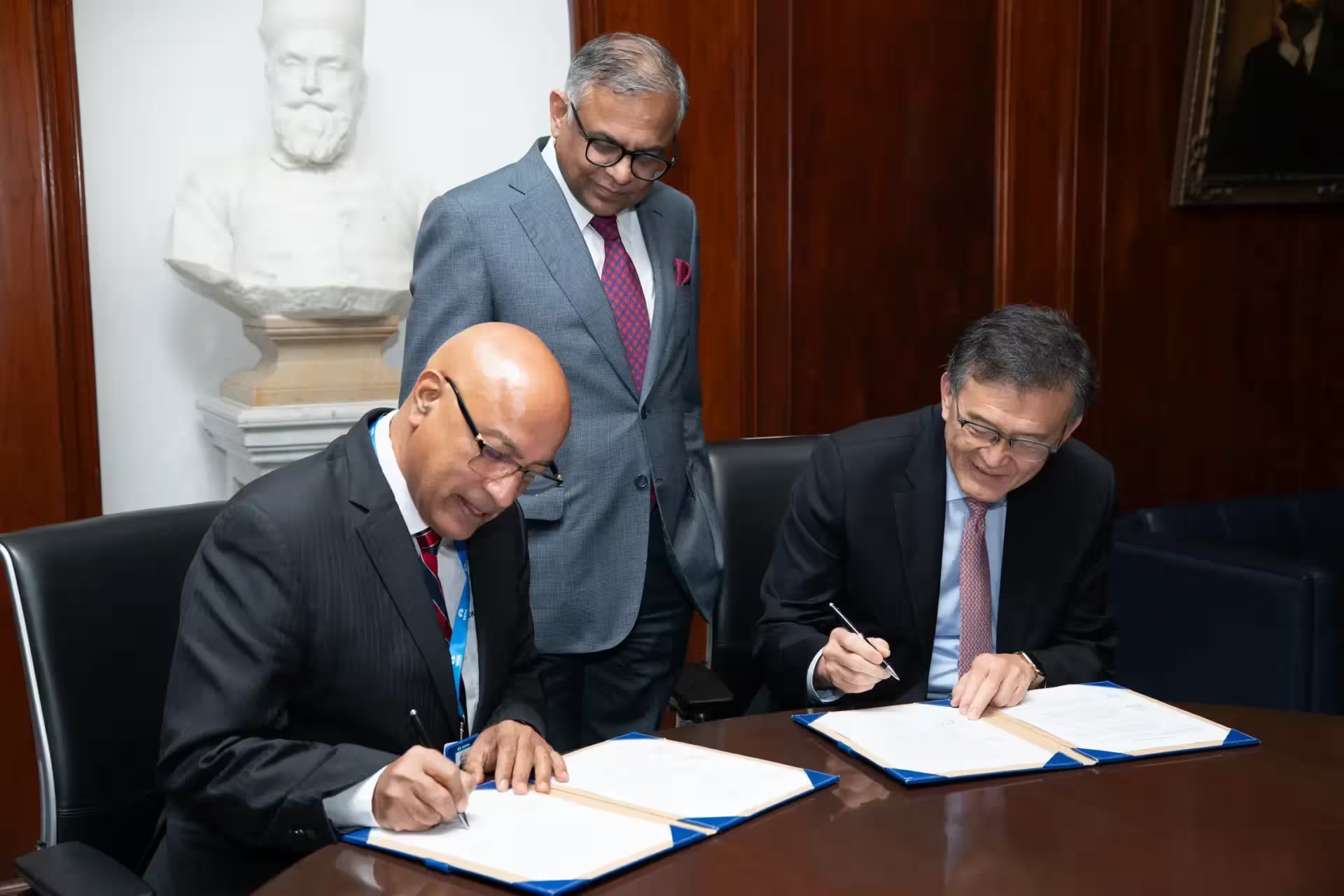
Intel and the Tata Group have signed a strategic Memorandum of Understanding to explore semiconductor manufacturing, advanced packaging and AI-ready PCs made in India. The pact aims to scale local production, shorten supply chains and accelerate adoption of AI computing across consumer and enterprise markets.
Why this partnership matters for India's chip ambitions
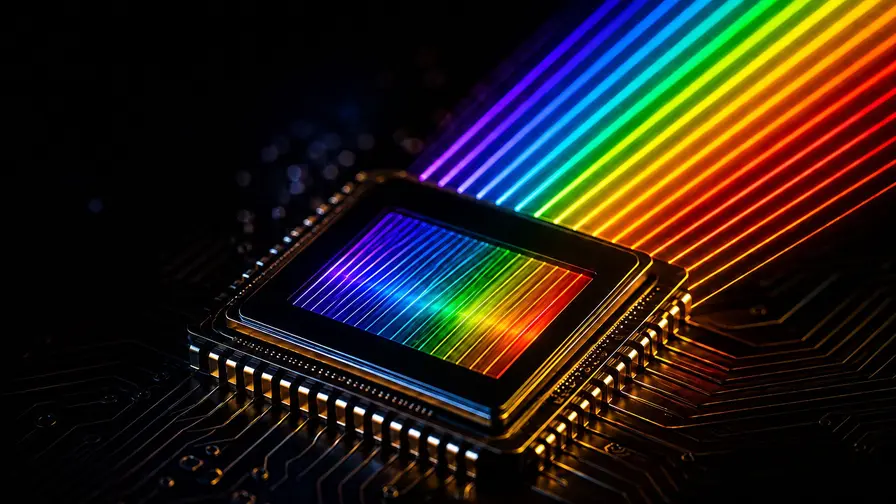
The MoU outlines a broad collaboration: Intel and Tata will evaluate manufacturing Intel-branded products at Tata Electronics’ planned semiconductor fabrication (fab) and OSAT (outsourced semiconductor assembly and test) facilities in India. Advanced packaging work will also be explored locally—an increasingly important part of modern chip design that helps boost performance and energy efficiency without relying solely on raw transistor scaling.
For India, the move aligns with national goals to build a resilient electronics supply chain. Localising high-value steps such as wafer fabrication, assembly and advanced packaging could reduce import dependence, improve time-to-market for new devices and create a domestic ecosystem for semiconductor design, testing and services.
What Tata and Intel bring to the table
- Tata Electronics: EMS expertise, planned fab and OSAT facilities, and distribution reach across India’s industrial and consumer markets.
- Intel: AI compute reference designs, chip IP and systems-level integration experience—especially for AI-accelerated PCs and edge devices.
As N. Chandrasekaran, Chairman of Tata Sons, put it, the partnership is intended to "accelerate the development of a strong and sustainable semiconductor industry in India," supporting a broader technology ecosystem. Intel CEO Lip-Bu Tan highlighted India as "one of the world’s fastest growing compute markets," driven by rising PC demand and rapid AI adoption. Dr. Randhir Thakur, CEO of Tata Electronics, noted the MoU supports Tata’s plans across EMS, OSAT and semiconductor fabrication and could improve cost-efficiency and supply reliability.
Advanced packaging and AI PCs: technical context
Advanced packaging refers to techniques like multi-die integration, 2.5D/3D stacking and system-in-package (SiP) designs that connect chips more tightly than traditional motherboard-level solutions. These methods can deliver higher bandwidth, lower latency and better power efficiency—critical for AI accelerators, edge servers and next-generation laptops.
Intel and Tata plan to combine Intel’s AI compute reference designs with Tata Electronics’ manufacturing skills to scale AI PC solutions for Indian consumers and enterprises. An 'AI PC' typically integrates on-device neural accelerators, optimized memory subsystems and software stacks that accelerate machine learning tasks locally rather than relying solely on the cloud.
Implications for industry and users
If realised, the collaboration could help India become one of the top five PC markets by 2030, supported by enterprise digitisation and consumer demand for AI-capable machines. Local manufacturing and packaging could also foster startups, improve supply chain resilience and attract more international investment into India’s semiconductor value chain.
Beyond immediate commercial outcomes, the partnership signals a strategic shift: global chipmakers and domestic industrial groups are prioritising regional fabrication and packaging to reduce geopolitical risk, shorten lead times and meet surging demand for AI-driven compute.






Leave a Comment
Comments
No comments yet. Be the first.