
3 Minutes
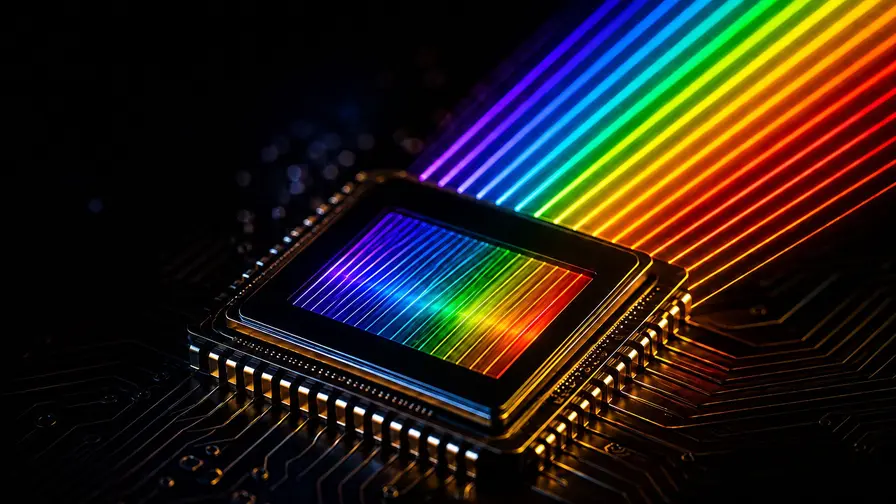
Samsung is betting the Exynos 2600 will do more than power its next flagship phones — it’s the company’s public test of a 2nm manufacturing node that could persuade big clients to return to its foundry. After losing ground on 3nm, Samsung hopes this chip proves its process is finally reliable and efficient.
Why the Exynos 2600 matters
Imagine a phone chip that runs cooler and more consistently than past Exynos generations. That’s the pitch from Samsung. The company missed out on many 3nm orders after early process teething problems shook customer confidence. With the Exynos 2600, Samsung wants a clean slate: a mainstream product that shows off the real-world gains of its 2nm line and restores trust among companies that had migrated to TSMC.
Heat Path Block: a small change with big thermal impact
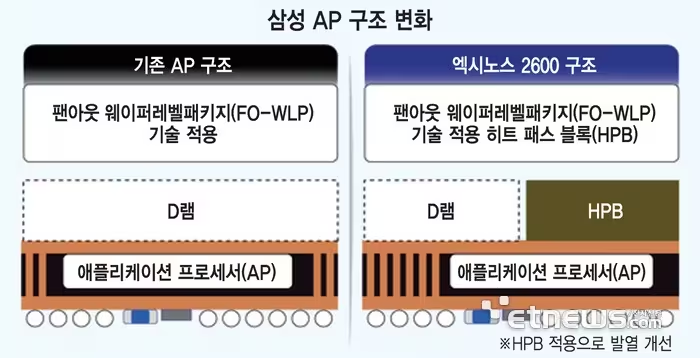
The headline innovation is a packaging tweak Samsung calls Heat Path Block. Instead of stacking DRAM on top of the application processor, Samsung moves the memory to the side and places a copper heatsink directly over the main die. That direct contact lets heat escape the package faster, reducing peak temperatures and smoothing performance under sustained loads.
Real-world gains Samsung is highlighting
- Direct copper heatsink over the AP for faster heat transfer
- DRAM relocated to the side to avoid insulating the main die
- Internal tests reportedly show up to ~30% thermal improvement versus the prior Exynos generation
Those numbers are compelling because thermal headroom affects both sustained performance and battery efficiency — exactly the issues that pushed some partners away in the past.
Could Apple and Qualcomm be listening?
Reports from South Korea say Apple and Qualcomm have taken an interest in Samsung’s new cooling approach. Both firms have favored TSMC for recent mobile and desktop chips largely because Samsung’s earlier flagship APs faced recurring thermal and stability criticisms. If Heat Path Block and the 2nm process deliver on Samsung’s claims, large design houses might reconsider foundry relationships.
What success would mean for Samsung’s foundry business
Winning back orders from top-tier customers would be a major strategic win. A proven 2nm node could bring lucrative, long-term contracts and help Samsung compete more aggressively with TSMC in advanced process technology. The Exynos 2600 is positioned as the first consumer-facing demonstration of that capability — not just another SoC, but a commercial proof point.
For now, all eyes are on performance and thermal benchmarks once the Exynos 2600 ships. If Samsung hits its targets, the chip could shift the balance in an increasingly competitive foundry market.

.webp "Redmi 17C 5G: 6.9-inch Screen and 6,000mAh Power Lands")








Leave a Comment
Comments
No comments yet. Be the first.