
3 Minutes
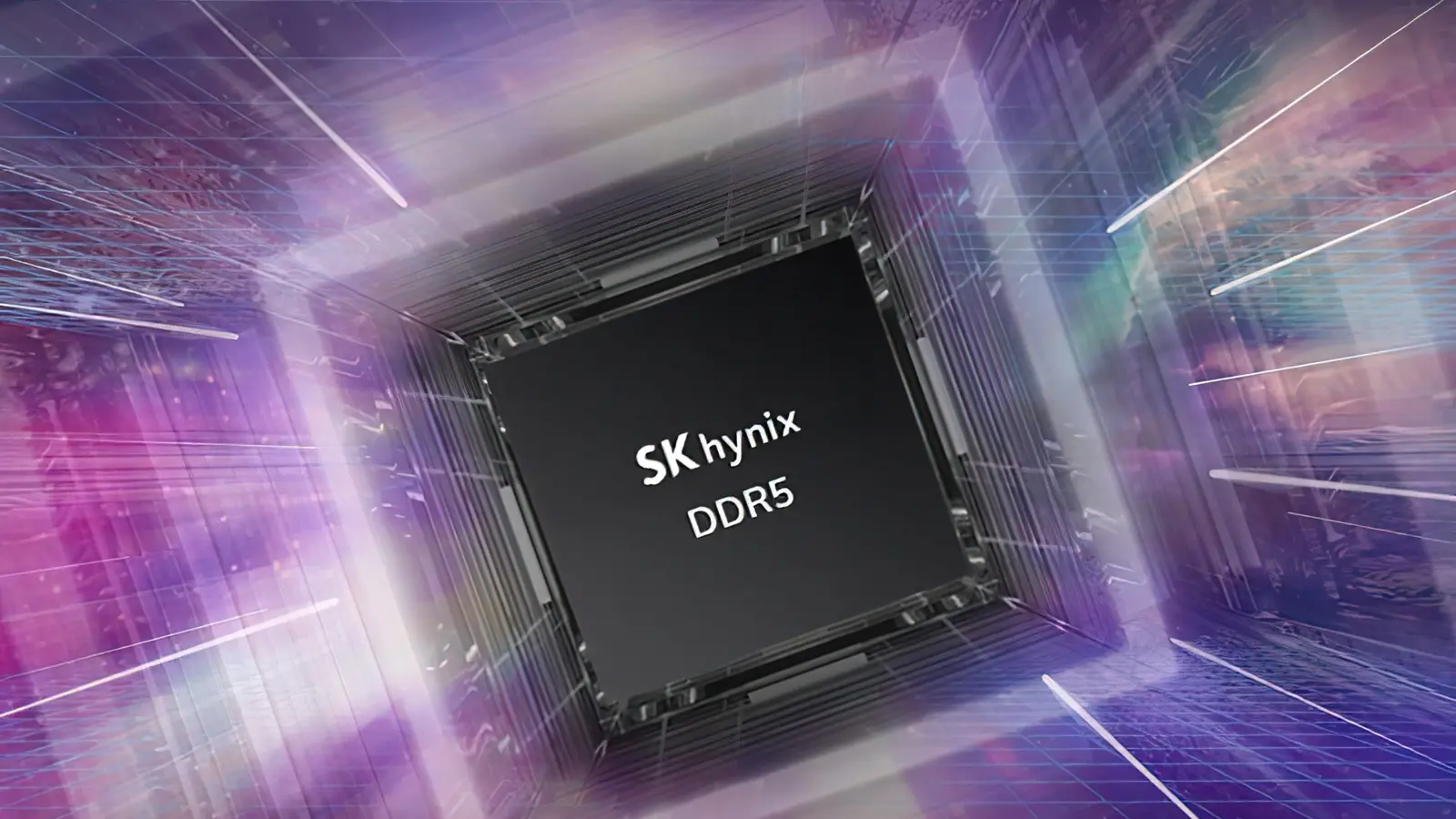
SK Hynix’s internal analysis warns that the global memory market could face constrained DRAM supply through 2028 — a structural shift driven by the rush to equip AI servers and conservative capacity expansion across major vendors. The result: higher prices and tighter availability for mainstream PC buyers for years to come.
Why commodity DRAM won’t catch up to demand
According to screenshots shared publicly from what appears to be SK Hynix’s internal forecast, growth for so‑called commodity DRAM — the modules typically used in everyday PCs and laptops — will remain limited through at least 2028. Manufacturers are prioritizing high‑margin server DRAM, high bandwidth memory (HBM), and specialized modules like SoCAMM to meet an explosion of demand from AI data centers.
Inventories are reportedly at historically low levels after sustained drawdowns, tightening allocation and leaving consumer channels vulnerable to shortages. Rather than rapidly expanding production, memory makers have favored measured capacity increases aimed at protecting profitability. Put simply: suppliers are choosing to serve the most lucrative markets first.
AI servers are reshaping the DRAM market
One of the clearest trends in the SK Hynix analysis is the shifting share of server DRAM. Server demand is projected to grow steeply, with estimates that server DRAM’s share could rise from about 38% in 2025 to roughly 53% by 2030. Cloud providers and hyperscalers are building out AI training clusters at scale, and those deployments consume enormous amounts of memory — creating what analysts call a DRAM super‑cycle.
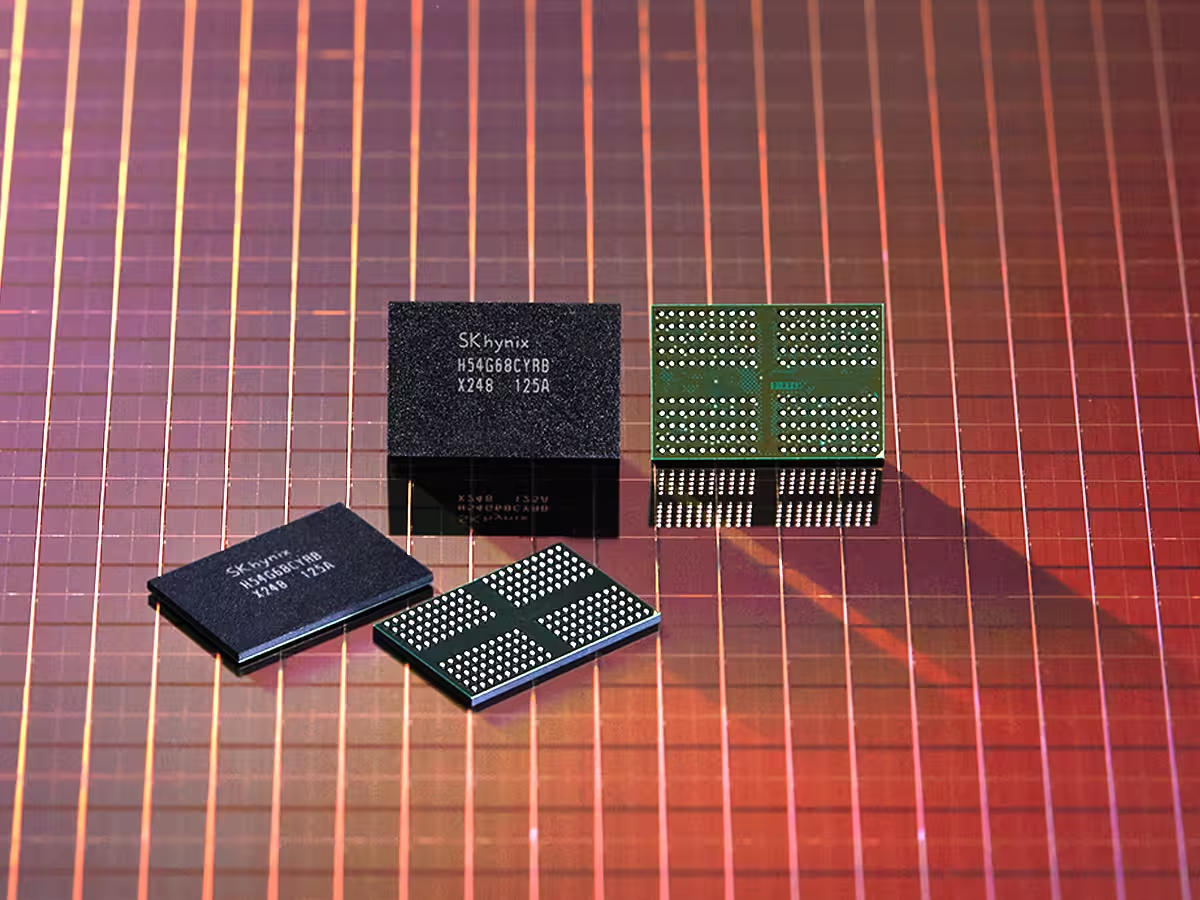
Some reports even indicate that key DRAM production slots for 2026 are already booked, reflecting the scramble to secure supply for AI workloads. For consumers, that means ordinary PC memory production will likely fall short of demand for several consecutive years.
What this means for PC buyers and builders
Expect higher prices and longer wait times for mainstream DDR modules. Recent market movements already show sharp DDR5 price increases in some channels, and the longer supply remains constrained, the more expensive and scarce memory components will become. Even as AI‑enabled PCs gain traction — forecasts suggest AI‑capable systems could represent about 55% of PC models in 2026 — overall PC shipments may not translate into easy access to affordable DRAM.
For DIY builders and cost‑conscious buyers, the outlook is frustrating: cheaper memory tiers are where manufacturers are reducing focus, so bargains will be rarer and upgrades pricier.
NAND faces similar pressure, but for different reasons
SK Hynix’s analysis also flags NAND flash as a potential pinch point in consumer markets. Server and cloud storage demand — often more profitable — is drawing NAND capacity, which could slow supply growth for consumer SSDs and embedded storage. The dynamic mirrors DRAM: capacity choices tilted toward high‑value enterprise uses can squeeze consumer availability.
How long will the stress last?
Earlier forecasts tended to push recovery expectations into 2027, but SK Hynix’s latest internal view extends the tightness into the end of 2028. That doesn’t mean shortages will be uniform across all SKUs — HBM and certain server modules are exceptions — but it does signal an extended period where supply and demand remain out of balance for mainstream memory.
Ultimately, the memory market is responding to where demand and profits are highest. For consumers and PC makers, the practical takeaway is to plan for higher memory costs and to watch component availability closely when budgeting upgrades or new builds.
- Key takeaway: Commodity DRAM supply is expected to lag demand through 2028.
- Driver: Massive AI server growth shifting production priorities to high‑margin memory.
- Impact: Higher prices and tighter availability for mainstream PC memory and consumer NAND.






Leave a Comment
Comments
No comments yet. Be the first.