
2 Minutes
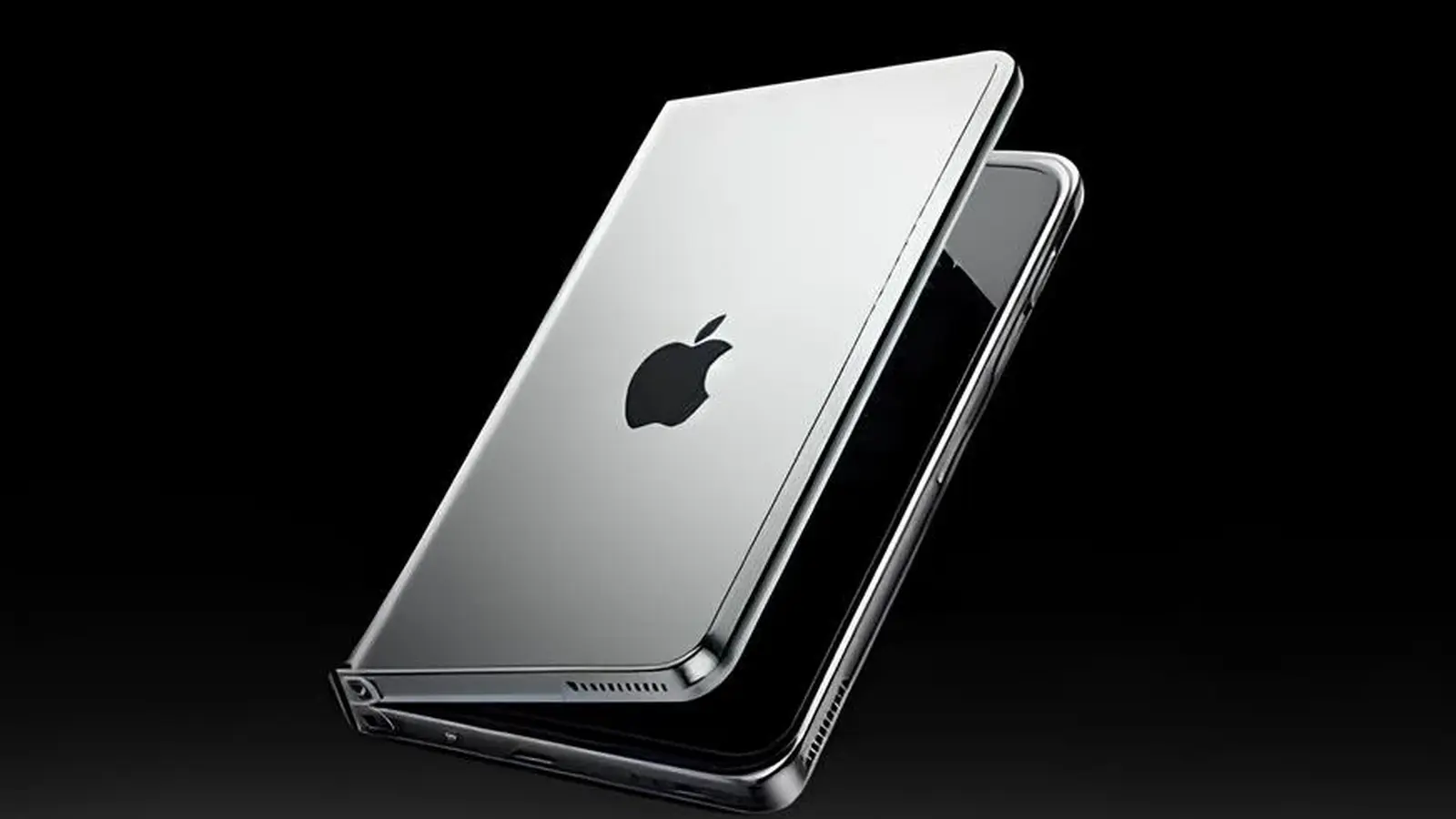
Rumors about Apple’s long-teased foldable iPhone are gaining momentum. Recent leaks suggest the device could skip Face ID in favor of a side-mounted Touch ID sensor — a choice driven by design priorities and the need to keep the handset slim.
Why Face ID might not make the cut
3D face-scanning hardware takes up valuable internal space. According to tipster Digital Chat Station (DCS), Apple appears to be prioritizing thinness and a cleaner internal layout for its wide foldable prototype, which is why the company is reportedly moving away from Face ID. The same space constraint reportedly rules out 3D ultrasonic under-display fingerprint modules, pushing Apple toward a side-mounted capacitive Touch ID instead.
Leaked hardware details: a tablet-like foldable
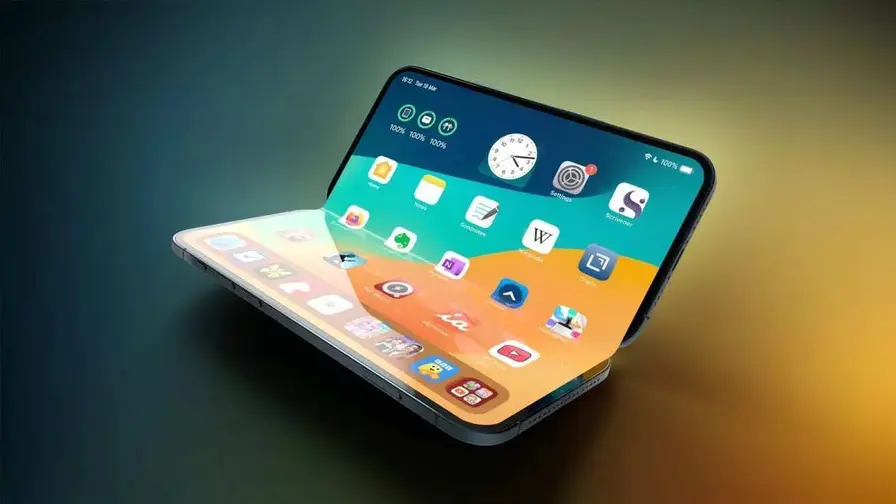
Leaks describe a large, tablet-like inner display and a compact outer screen. Key details include:
- 7.58-inch foldable inner display with an under-display front camera
- 5.25-inch external screen using a punch-hole camera
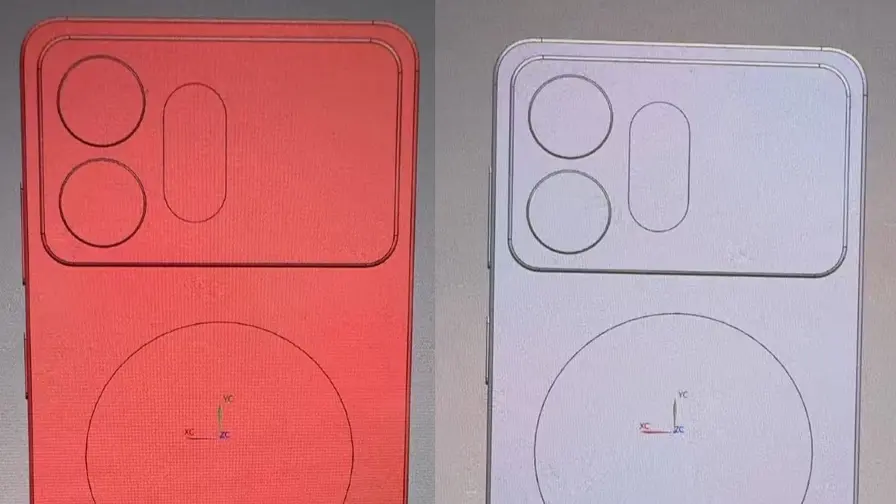
- 48MP dual-camera setup on the rear
- A hinge described by DCS as "very strong" — a critical spec for foldables
- Side-mounted Touch ID rather than 3D Face ID or ultrasonic under-display scanners
The “wide” form factor is meant to feel closer to a small tablet when unfolded — a format that could differentiate Apple’s approach from the narrow, phone-like foldables already on the market.

What this means for users and the market
Choosing side Touch ID has practical implications:
- Thinner hardware: Removing bulky Face ID components helps keep the device slim when folded.
- Reliable unlocking: Side-mounted sensors are familiar and fast in daily use, even if they trade some convenience for modern under-display aesthetics.
- Camera trade-offs: The prototype reportedly puts the front camera under the inner screen, while the external display retains a punch hole — a sign Apple is balancing design and image quality.
- Stronger hinge design: A “very strong” hinge would address one of the biggest concerns for foldable buyers: durability over time.
Competition and timing
Apple isn’t the only company exploring wide foldables. DCS says Samsung is evaluating similar dimensions, but notes that a Chinese brand could ship the first large horizontal foldable. The device is expected sometime next year if testing and refinement stay on schedule — though Apple hasn’t confirmed anything.
Imagine unfolding a device that feels like a compact tablet yet fits in your pocket when closed. If the leaks hold up, Apple’s decision to prioritize thinness and a robust hinge over Face ID could reshape expectations for what a premium foldable should be.




Leave a Comment
Comments
No comments yet. Be the first.