
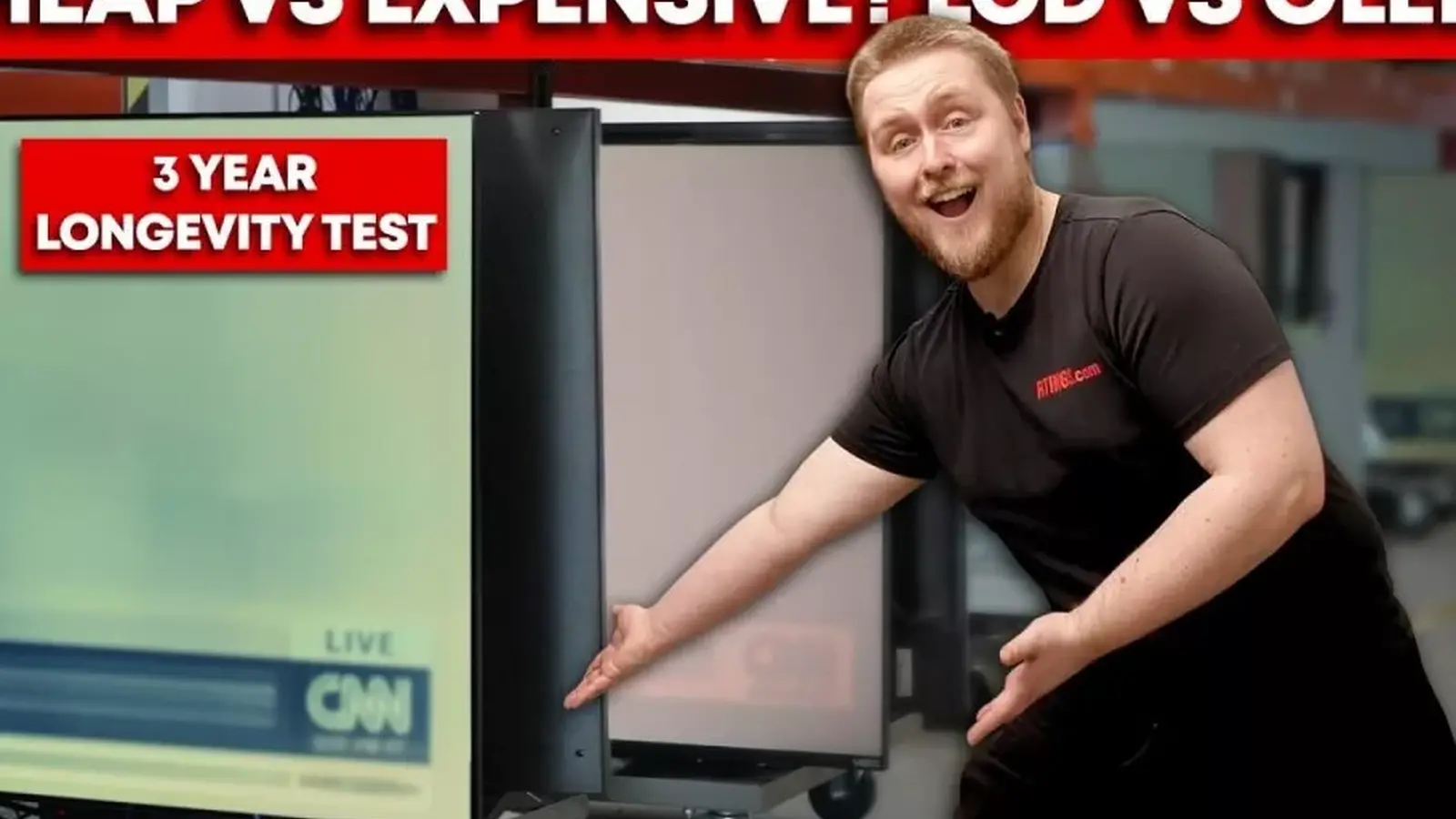
RTINGS, the respected authority on TV testing, recently published a three-year durability study that puts OLED and LCD panels head-to-head. The verdict: OLED sets tended to last longer in continuous-use simulations, and burn-in proved a far less common issue than many consumers fear.
What the three-year test actually measured
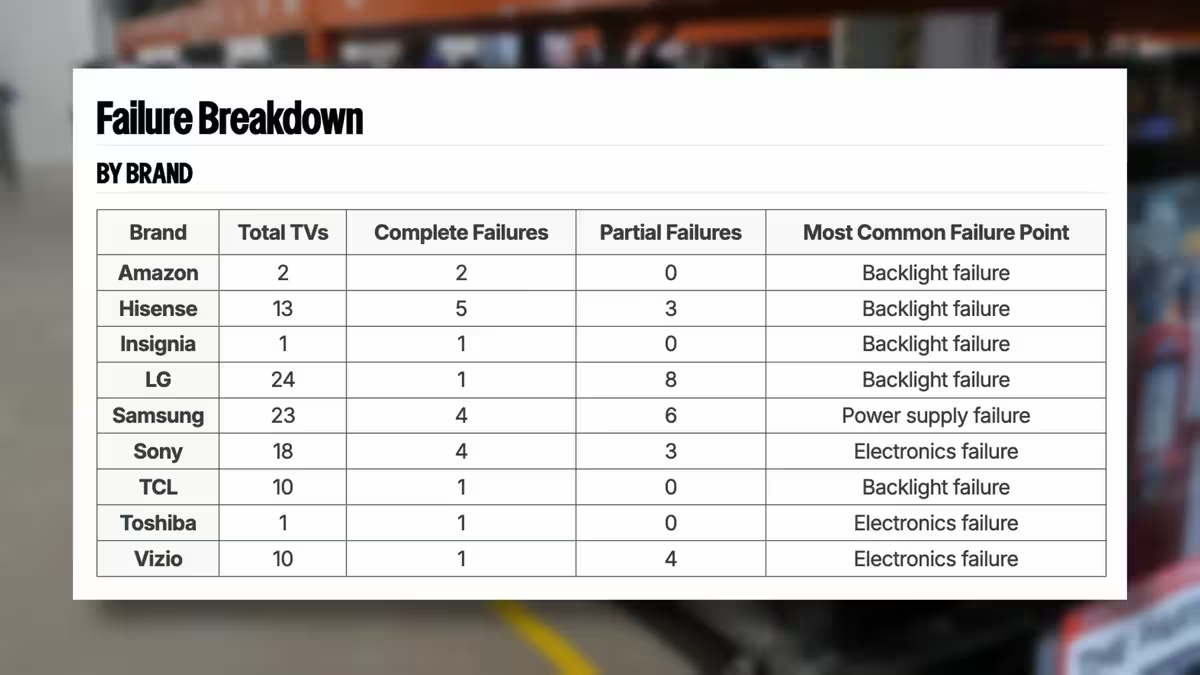
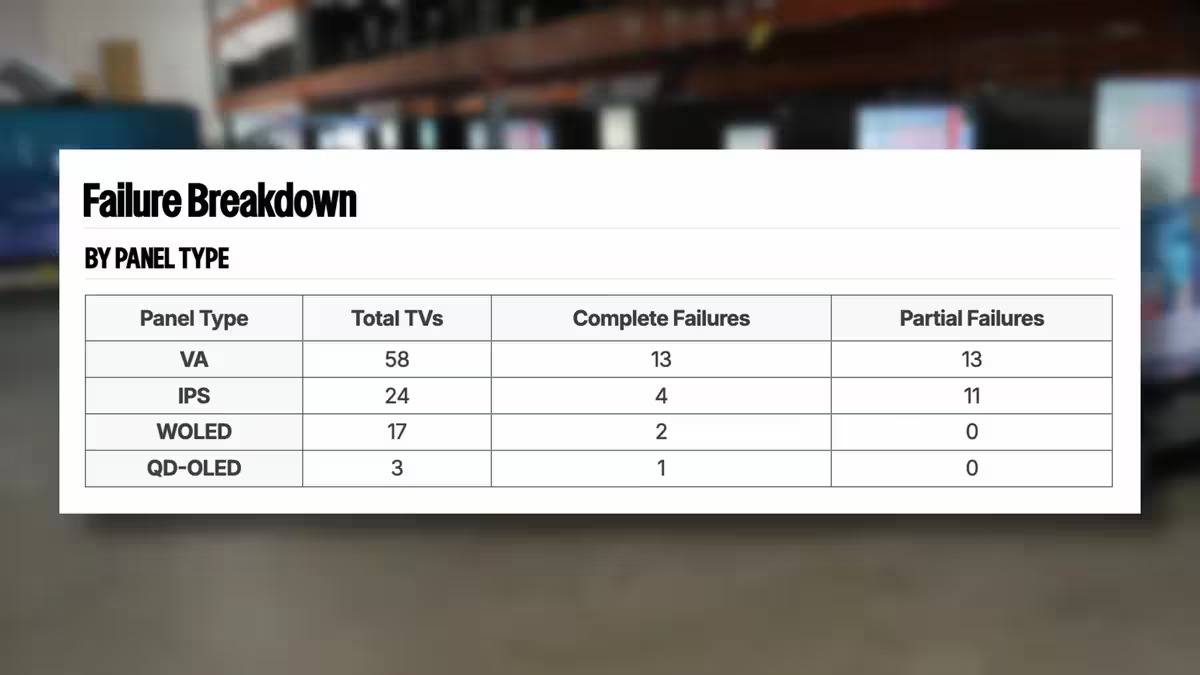
The experiment tracked 102 televisions under conditions meant to simulate heavy, continuous use. Most OLED models delivered more than 10,000 hours of stable performance. Across the full pool, 20 TVs completely failed and another 24 showed partial damage — but those failures were not evenly distributed across technologies.
Why OLED outperformed LCD in longevity
OLED’s inherent design — self-emissive pixels with no separate backlight — reduced one major failure point: backlight systems. RTINGS found that OLED panels only showed burn-in under extreme stress and prolonged high-intensity scenarios. Put simply: everyday viewing rarely triggers noticeable burn-in.
Brand and panel takeaways
- LG and TCL emerged as leaders in durability. Of 24 LG models, only one failed completely. Of 10 TCL units, just one stopped working before the test ended.
- Samsung and Sony generally performed well, though some LCD models across brands experienced issues tied to their backlight architecture.
- IPS panels fared worst: 15 out of 24 IPS models suffered failures, largely because they rely on direct backlighting without local dimming.
Backlight failures: the Achilles’ heel of many LCDs
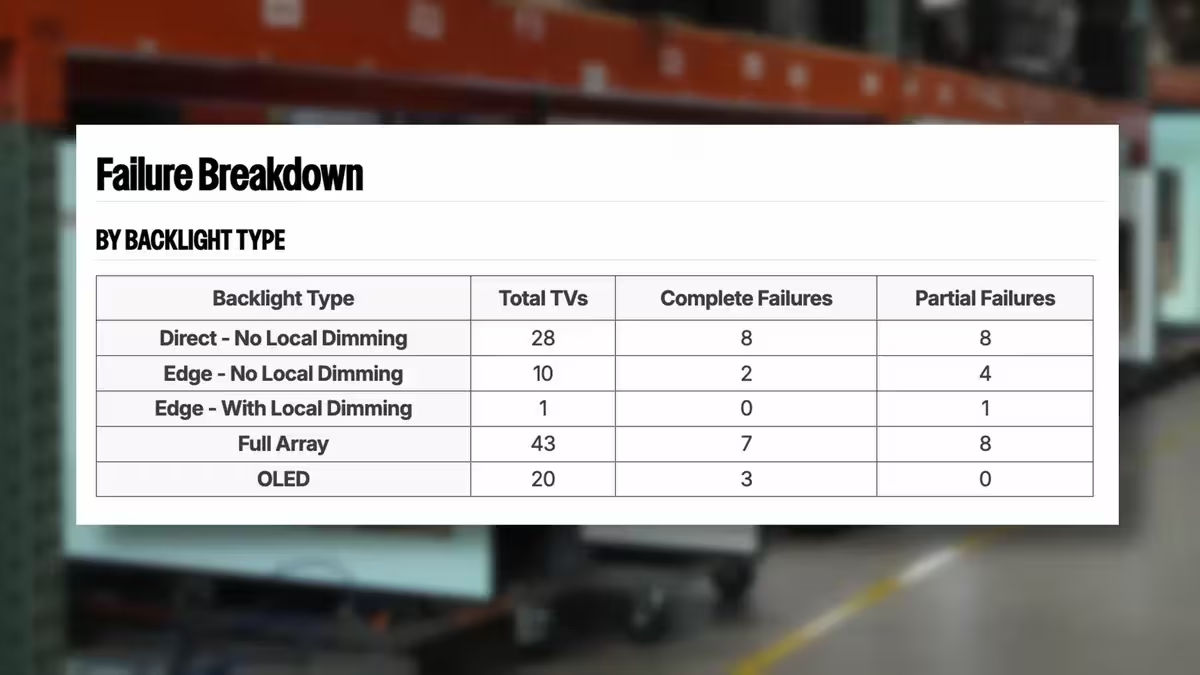
RTINGS’ analysis points to backlight pathways as a common vulnerability. Edge-lit LED arrays — where light travels from the sides through a guiding layer — were especially prone to failure. A single failed LED can produce a dark band, or in worse cases, knock out an entire row or the whole backlight.
Some stats to note:
- About 60% of TVs without Local Dimming experienced full or partial problems.
- Full-Array Local Dimming systems, including Mini-LED designs, generally performed better but still saw issues in roughly 25% of tested units.
Practical implications for buyers
So what should shoppers take away? First: OLED offers strong durability benefits, particularly for users worried about long-term performance. Second: Local dimming and full-array backlights (including Mini-LED) are more resilient than basic edge-lit designs, but they’re not immune.
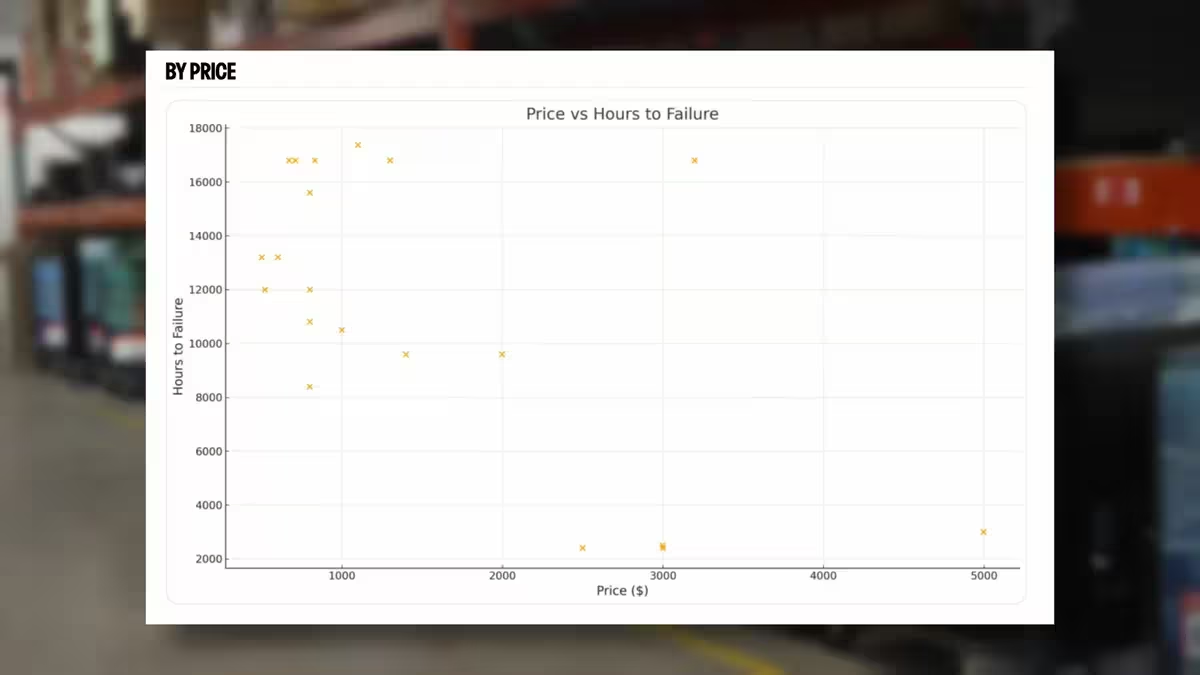
Price isn’t a perfect predictor of longevity. RTINGS noted several budget models outlasting pricier competitors. However, cheaper TVs are often harder to repair; manufacturers sometimes use specialized fasteners or glued assemblies that make component swaps and fixes more complex.
Is burn-in still a real concern?
In short, not for most viewers. Burn-in showed up mostly under extreme, sustained test conditions. For typical TV use — varied content, occasional streaming, gaming sessions with screen-saver features — the risk remains low. If you do heavy static-content viewing (24/7 signage, gaming HUDs, or channels with persistent logos), OLED users should consider screensavers, pixel-shifting or other manufacturer safeguards.
RTINGS’ three-year experiment gives a clearer picture: OLED panels generally offer superior longevity in real-world-like stress testing, while many LCD failures trace back to vulnerable backlight designs. When choosing a TV, weigh panel type, backlight architecture and repairability — not just the price tag.

Leave a Comment
Comments
No comments yet. Be the first.