

3 Minutes
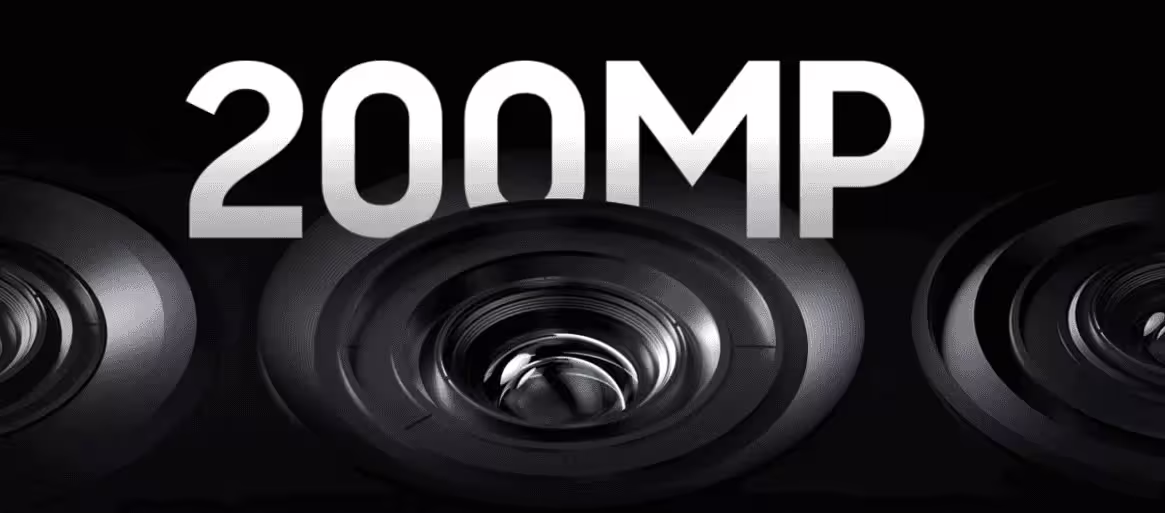
Leaked details suggest Chinese image sensor makers are preparing a major push into high-resolution camera hardware, with several 200MP designs and new 50MP one-inch sensors aimed at flagship phones in 2026.
What leaked and why it matters
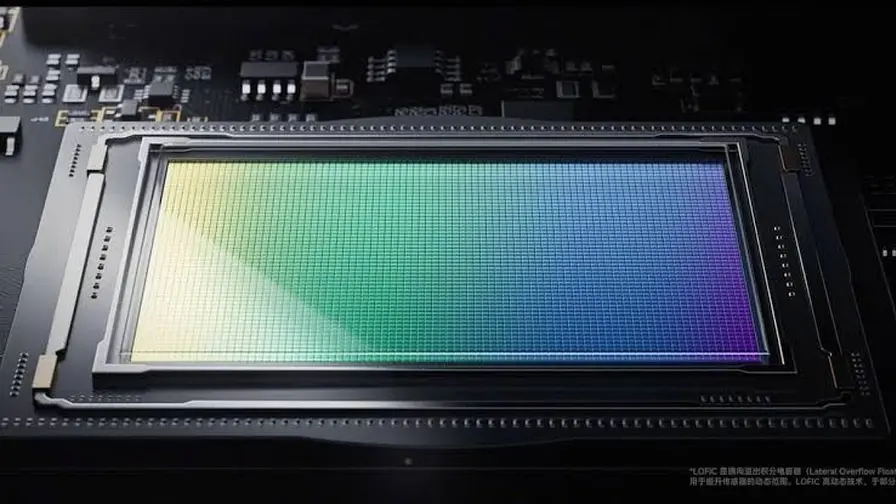
Well-known tipster Digital Chat Station reports that SmartSens and OmniVision are developing multiple next-generation sensors. Highlights include several 200MP models built for periscope telephoto modules and two ambitious 50MP one-inch sensors. Many of the designs use LOFIC technology, which promises better dynamic range in challenging light.
Names to remember
- SmartSens SCC80XS and SCC90XS — 200MP, 1/1.28-inch formats, with SCC90XS pitched as a higher-end option
- OmniVision OV52A and OV52B — 200MP, 1/1.28-inch formats optimized for telephoto use
- SmartSens SC5A6XS and SC5E0XS — 50MP, one-inch sensors focused on low-light detail and dynamic range
The SCC80XS, which surfaced in October 2025, is already reported to use a 22nm stacked process with 0.61μm pixels and supports advanced HDR and autofocus features. Taken together, the leaked lineup points to a clear strategy: higher resolution and larger optics for better telephoto and low-light imaging.
LOFIC and one-inch sensors: what they bring to the table
Imagine a telephoto lens that keeps detail and color in both bright skies and dim shadows. That is the promise of LOFIC, a pixel-level technique that improves dynamic range by combining different readout modes and smarter processing. When paired with a bigger sensor footprint, like a one-inch 50MP chip, the result is stronger low-light performance and finer detail at long range.
For smartphone makers, LOFIC plus larger sensor sizes can translate into images with fewer blown highlights, richer shadows, and better periscope zoom results. In plain terms: cleaner night shots and more usable detail when you crop or zoom.
Who is testing these sensors and when could we see them?
Sources say three of China’s top five smartphone brands are already evaluating the new chips. That suggests early prototypes could surface in 2026 flagship launches, assuming testing goes well and yields meet production targets.
Smartphone camera roadmaps tend to move fast. If SmartSens and OmniVision can deliver stable production, these sensors could influence phone designs, from module layouts to image processing pipelines.
Industry implications: competition heats up
Until now, Sony and Samsung have dominated premium mobile imaging. The leaked specs indicate Chinese suppliers are closing the gap, offering competitive high-res options and advanced features like LOFIC. Wider adoption would push the entire market toward higher-resolution telephoto systems and larger main sensors, changing how manufacturers approach camera hardware in 2026 and beyond.
Keep an eye on upcoming flagship announcements next year. If these sensors make it to production, smartphone photography could get a noticeable upgrade, especially for zoom and low-light shots.







Leave a Comment
Comments
No comments yet. Be the first.