
3 Minutes
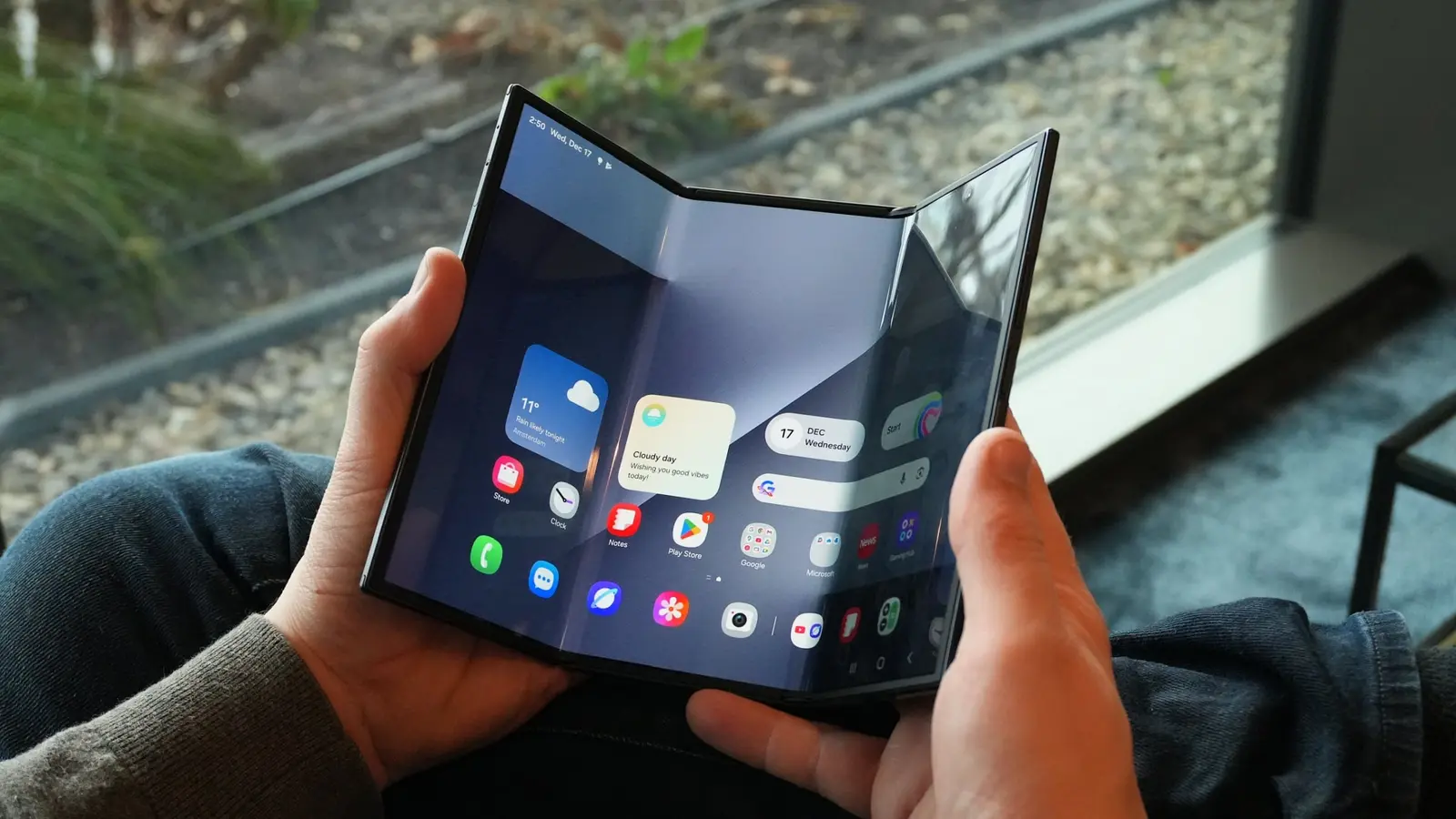
Samsung's first tri-fold phone suffered a dramatic failure in an extreme durability challenge. Popular teardown and torture channel JerryRigEverything ran the Galaxy Z TriFold through heat, scratches, sand and bending — and the handset didn't hold up as well as Samsung's latest Z Fold 7.
Watch the heat, then the hinges
The TriFold's folding OLED screens showed visible damage after exposure to a cigarette lighter, with pixels burning out on the main foldable panel and the external cover display. Scratches marred the rear plastic, and while the metal frame resisted some abuse, it bent under concentrated pressure and even pulled the antenna line out of shape. These failures underline a simple truth: thin foldable designs trade stiffness for compactness.
Sand, crunching hinges and one wrong bend
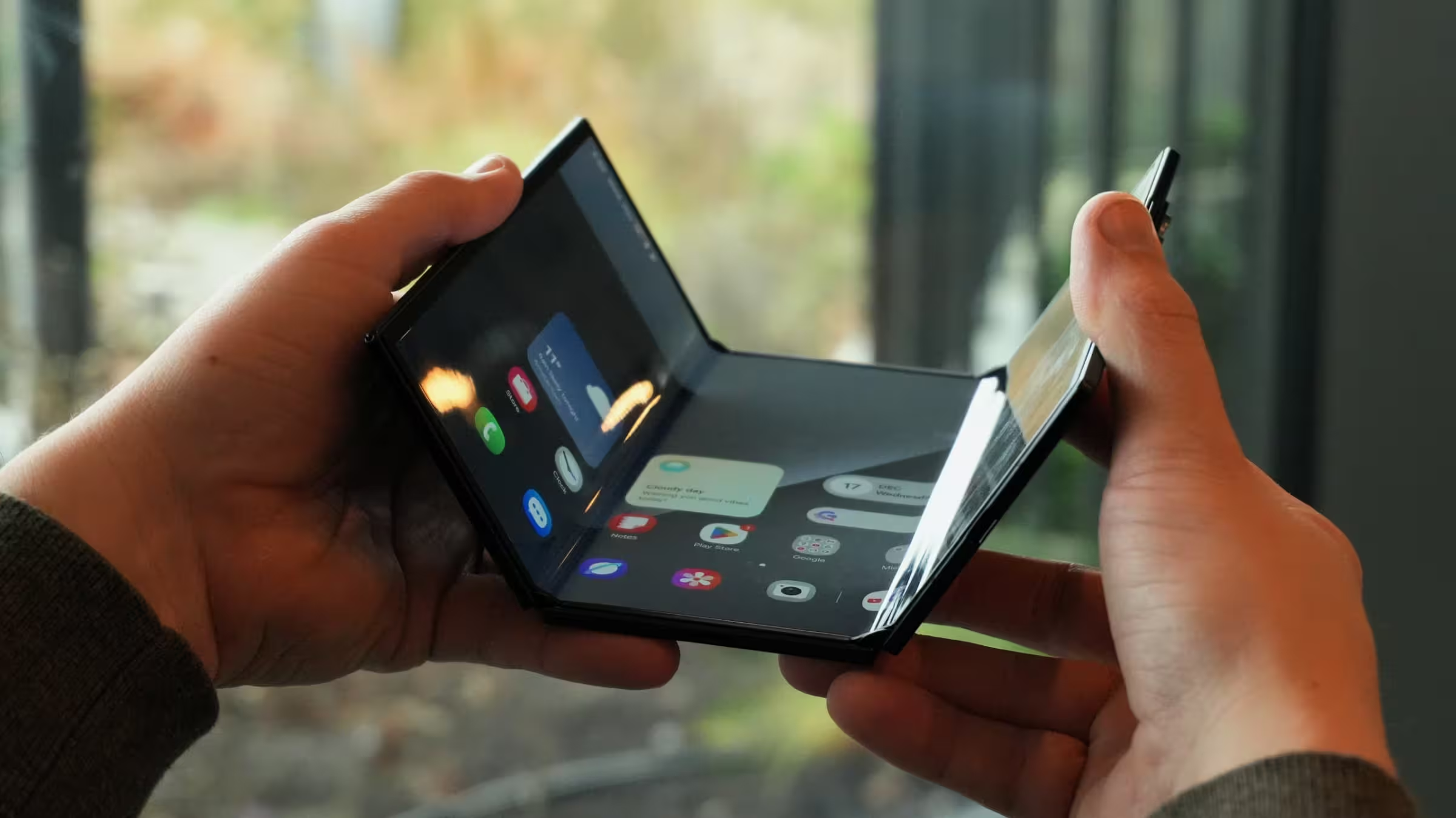
After sand was poured into the hinge assembly and the phone was folded repeatedly, the hinge began producing grinding and crunching noises. Then a quick bend in the wrong direction was enough to kill the screen — pixels ripped, and the display stopped working. The phone’s Armour Aluminum frame, though marketed as sturdy, proved too thin in points and bent along with the phone.
How this compares with the Galaxy Z Fold 7
Compared with the seventh-generation Galaxy Z Fold, the TriFold performed worse in the same extreme testing setup. The Z Fold 7 endured similar torture much better: its frame stayed straighter, and its display survived bends that broke the TriFold. That doesn't necessarily mean the TriFold is poorly engineered — it’s the first attempt at a tri-fold form factor, and engineers face new mechanical challenges.
Samsung’s testing and real-world perspective
Samsung defends the TriFold’s durability, saying the device is designed for everyday use and has been stress-tested for typical consumer behavior. The company claims the phone can endure 200,000 folds and unfolds. Independent testing recently showed the TriFold surviving around 144,000 cycles in a third-party test — strong, but short of Samsung’s stated figure.
So should you panic? Not necessarily. JerryRigEverything’s torture tests are intentionally extreme and push phones well beyond normal usage. Still, the TriFold’s issues — heat-sensitive pixels, hinge vulnerability when contaminated by debris, and a thin frame that bends under pressure — are useful signals for buyers who prioritize ruggedness in a foldable device.
What to watch for if you’re considering a tri-fold
- Keep lint, sand and grit away from hinges — real-world hinge contamination can cause long-term damage.
- Avoid concentrated pressure on thin frame edges, especially around antenna lines and hinge junctions.
- Consider a protective case or careful handling if you frequently use your phone in rough environments.
Tri-fold tech promises more screen real estate, but this early stress test shows there’s a trade-off between innovation and ruggedness. Expect improvements in future revisions as manufacturers learn from tests like these.


Leave a Comment
Comments
No comments yet. Be the first.