
Qualcomm has moved fast to complete its acquisition of Alphawave Semi, and the chip industry is already buzzing. The deal — closed earlier than planned — promises to bolster Snapdragon's processing, AI capabilities, and power efficiency as manufacturers ramp toward 2026 flagship phones and AI datacenter workloads.
What Alphawave brings to the table
Alphawave is best known for high-speed connectivity silicon that moves data faster and more reliably while using less energy. Qualcomm says those technologies will be integrated with its Oryon CPU and Hexagon NPU, creating tighter, more efficient data paths between compute and interconnect layers. That combination could make future Snapdragon chips both faster and more power-efficient — a critical balance for mobile devices and edge AI servers alike.
Leadership moves underline the strategic intent. Tony Pialis, Alphawave’s CEO and co-founder, will take charge of Qualcomm’s datacenter business unit, signaling that Alphawave’s tech will play a central role in server and AI infrastructure efforts, not just mobile phones.
Why Qualcomm thinks this will matter for AI and datacenters
Cristiano Amon, Qualcomm’s president and CEO, has framed the acquisition as more than a parts purchase. He says Alphawave’s IP will amplify the performance of Oryon CPUs and Hexagon NPUs, enabling higher-throughput AI processing with lower energy draw. For datacenter operators and cloud providers chasing efficiency at scale, those gains could translate into real cost and performance advantages.
Put simply: faster, lower-power links reduce bottlenecks between compute blocks. That helps AI models run quicker on less hardware, or the same models run with lower power consumption — both attractive outcomes for device makers and service providers.
Alphawave’s role inside Qualcomm’s ecosystem
- Custom chips and chiplets: Alphawave’s IP will likely appear in bespoke SoCs and chiplet-based designs, expanding Qualcomm’s modular options.
- High-speed interconnects: Expect improved on-chip and off-chip interfaces that support larger AI workloads and higher memory bandwidths.
- Cross-market impact: Alphawave tech has applications across datacenters, networking, storage, and AI accelerators — broadening Qualcomm’s addressable market.

For Alphawave, joining Qualcomm is a growth accelerant: its connectivity blocks will reach larger customer bases and be combined with Qualcomm’s CPU and NPU roadmap.
Enter Samsung’s Exynos 2600 — a 2nm wildcard
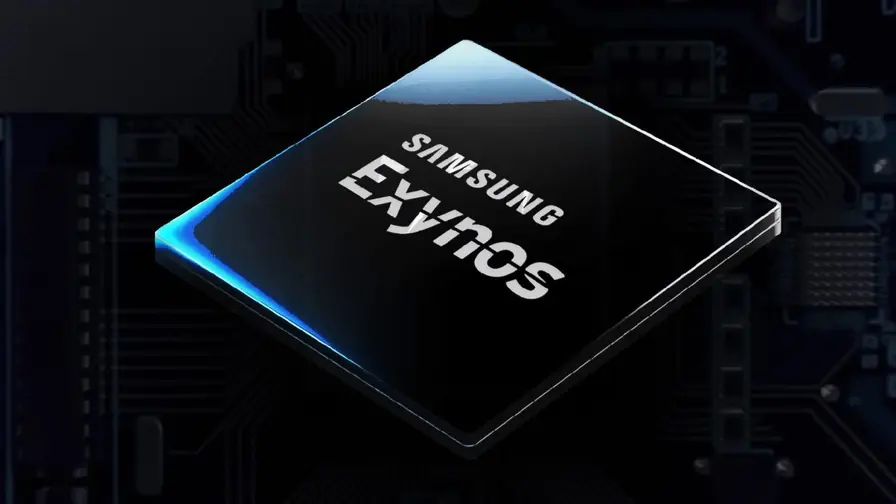
Just as Qualcomm tightens its stack, Samsung is preparing to ship a 2nm Exynos 2600, rumored to power the Galaxy S26 series. 2nm fabrication promises substantial efficiency and density gains, and early leaks suggest Exynos 2600 could be surprisingly competitive after past challenges for the Exynos line.
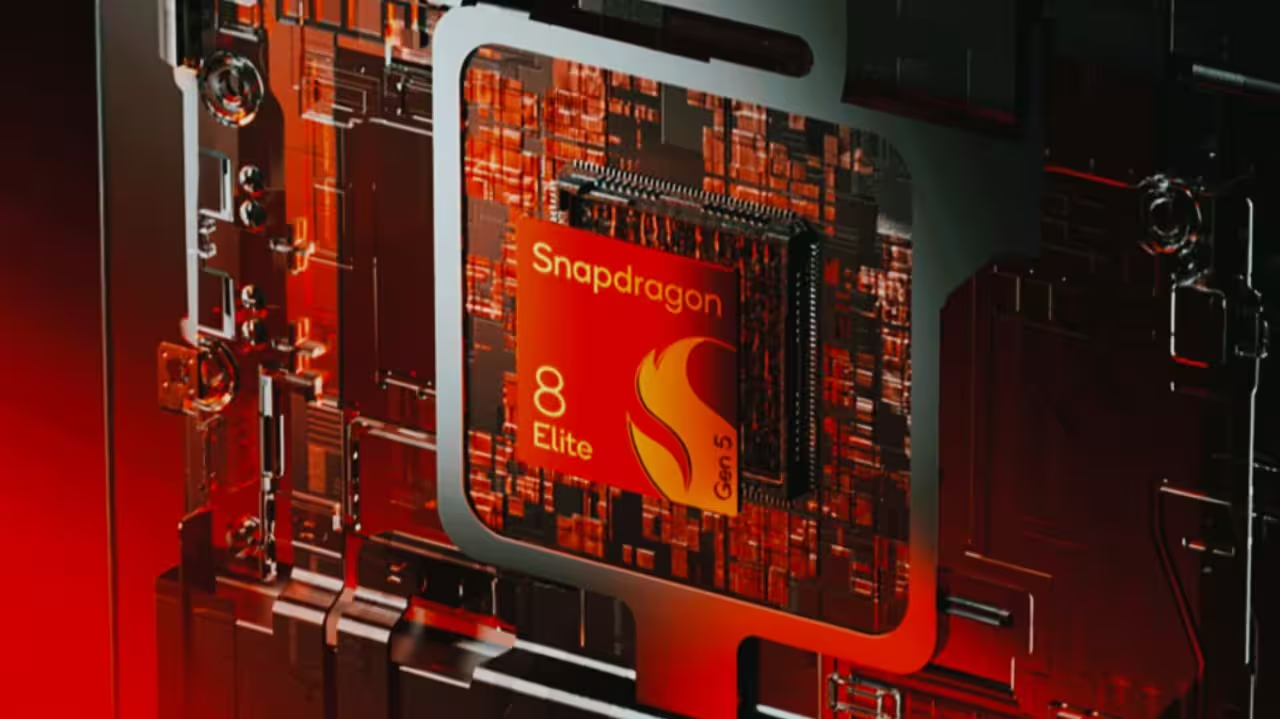
That raises stakes for Qualcomm. The Snapdragon Elite Gen 5 is already a raw-power contender, but its peak performance can strain thermal limits on some phones. If Exynos 2600 delivers superior thermal management, sustained performance, or improved power consumption, Qualcomm could face renewed pressure to iterate faster.
What consumers and OEMs should watch
Key metrics to watch when these chips reach the market are sustained performance under load, thermal throttling behavior, and real-world battery life. Benchmarks tell one part of the story — how chips behave in long gaming sessions, AI inference tasks, or server workloads will matter more.
Imagine a phone that runs a demanding AR app without overheating or a compact AI server that delivers inference at a fraction of the power bill — that’s the kind of practical win both Qualcomm and Samsung are chasing.
2026 looks like the year of intense chip rivalry
With Alphawave now inside Qualcomm and Samsung advancing a 2nm Exynos, 2026 could be the start of a fierce period of innovation. Expect faster development cycles, more emphasis on energy-aware AI performance, and closer integration between interconnects and compute blocks. For industry watchers, device makers, and end users, the next 12–18 months will be revealing.
Whether Qualcomm’s acquisition translates into a clear lead will depend on execution: how quickly Alphawave IP is integrated, how well Oryon and Hexagon are optimized, and how phone makers manage thermals. But one thing is certain — the mobile silicon story in 2026 will be worth following.

Leave a Comment
Comments (2)
Is this even true? alphawave heading datacenter unit sounds bold, but mergers usually take time, what about thermal limits and real world gains..
wow didnt expect this. if Qualcomm actually integrates Alphawave right, phones and tiny AI servers could get way more efficient. skeptical but excited