
Consumer Reports sounds the alarm on plug-in hybrid reliability
Consumer Reports' latest annual survey delivers a stark warning for buyers: plug-in hybrid vehicles (PHEVs) are roughly 80% more likely to experience faults than conventional gasoline cars. The finding, drawn from responses by owners of about 380,000 vehicles spanning model years 2000–2026, underscores a recurring theme — the technical complexity of combining an internal combustion engine with an electrified powertrain can create reliability headaches.
Why plug-in hybrids can be trouble-prone
PHEVs offer clear benefits — lower fuel consumption, reduced tailpipe emissions, and reduced range anxiety compared with full EVs — but those advantages come with extra systems that can fail: high-voltage batteries, electric motors, battery cooling and charging systems, power electronics and the integration between electric and gasoline drivetrains. Consumer Reports' data show that these interconnected systems are the most common sources of trouble.
Highlights of reported failures include:
- High-voltage battery faults and need for replacement
- Battery cooling and charging system malfunctions
- Electric motor and power electronics failures
- Transmission and driveline issues after hybrid integration
- Electrical gremlins affecting vehicle safety and convenience features
Models and segments called out
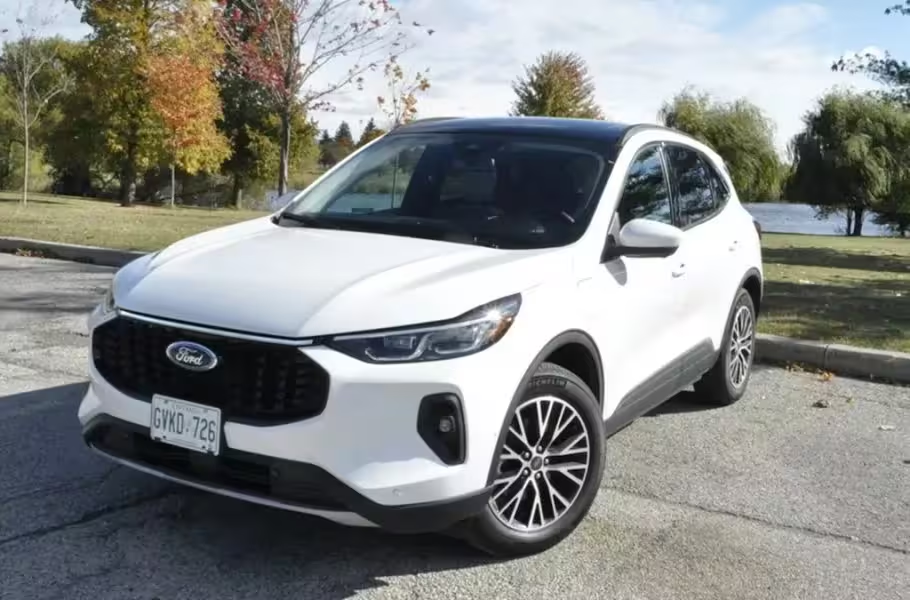
The report identifies the least reliable PHEVs across classes. In the compact SUV segment — where competitors include the Toyota RAV4 Prime and Mitsubishi Outlander PHEV — the Ford Escape plug-in stands out for frequent complaints: owners reported high-voltage battery replacements, cooling and charging faults, suspension and HVAC problems.
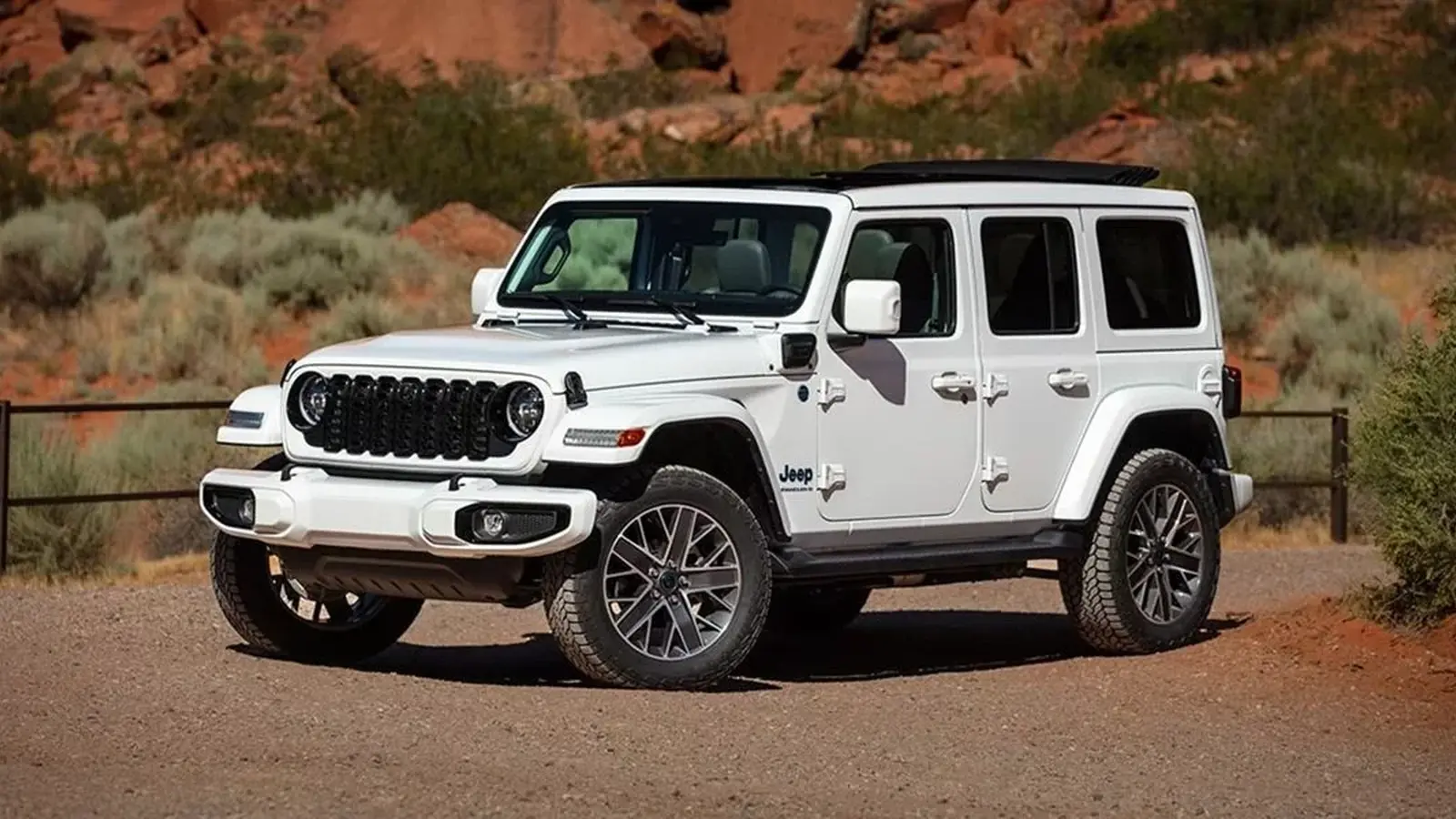
Stellantis’ 4xe hybrid system has been singled out as a major pain point for Jeep Wrangler and Grand Cherokee owners, with failures tied directly to the hybrid system, electric motors and batteries. Some owners even report vehicles off the road for months while awaiting repairs; multiple recalls over sudden power loss have reinforced those concerns.
In larger SUVs, the Mazda CX-90 PHEV has dragged Mazda’s overall reliability ranking down, with reported issues spanning batteries, electric motors, transmissions, brakes, suspension and even paint quality. Luxury brands aren’t immune: Volvo XC60 owners have described an emergency "limp" mode caused by electrical or battery faults that severely limits speed and drivability.
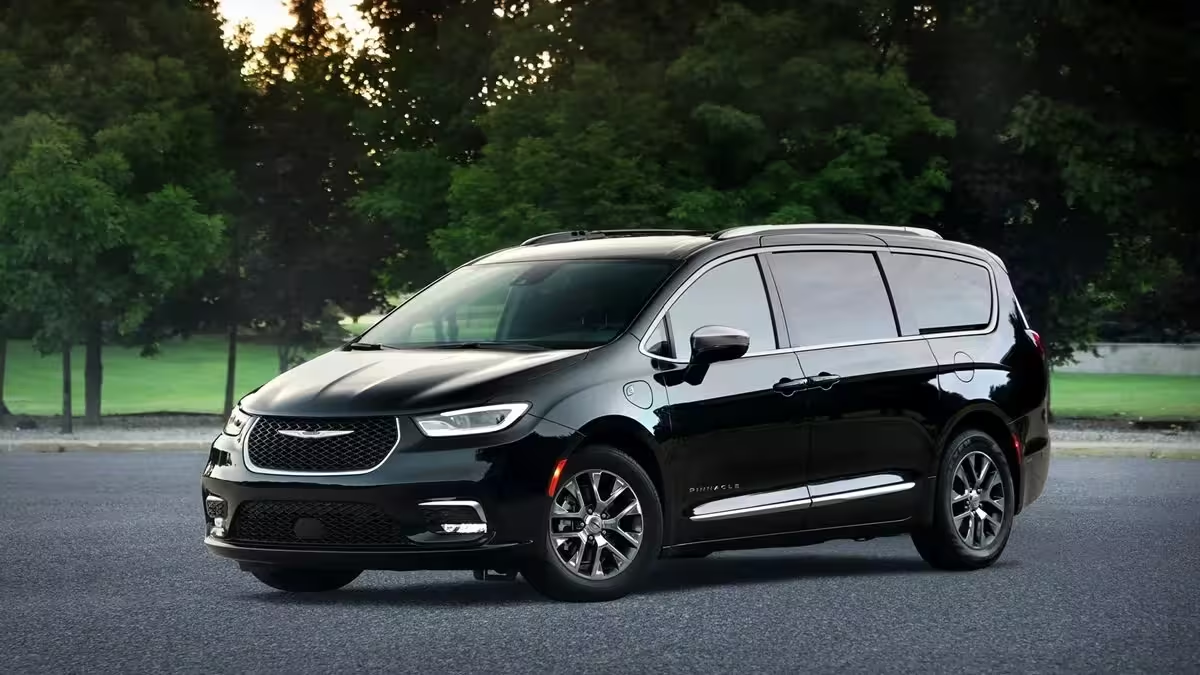
The Chrysler Pacifica — the only PHEV minivan in the U.S. market — also shows a poor record, with frequent gearbox, engine, interior electronics and battery cooling complaints.
What this means for buyers and the market
For shoppers considering a PHEV, the takeaway is practical: weigh the fuel and emissions benefits against potential reliability and ownership costs. Check long-term warranty coverage on high-voltage components, study owner reports and recall histories, and evaluate dealer service capability for hybrid systems.
Automakers are reacting: some, like Volvo, have tempered aggressive EV-only roadmaps while others invest in improving hybrid durability. Until integration and quality improve, buyers should treat PHEV purchases with the same diligence they apply to any high-tech vehicle.
"The promise of plug-in hybrids is real," says one industry analyst, "but execution matters. Durability and serviceability will determine whether PHEVs remain a mainstream bridge technology or a cautionary tale."

Leave a Comment
Comments
No comments yet. Be the first.