
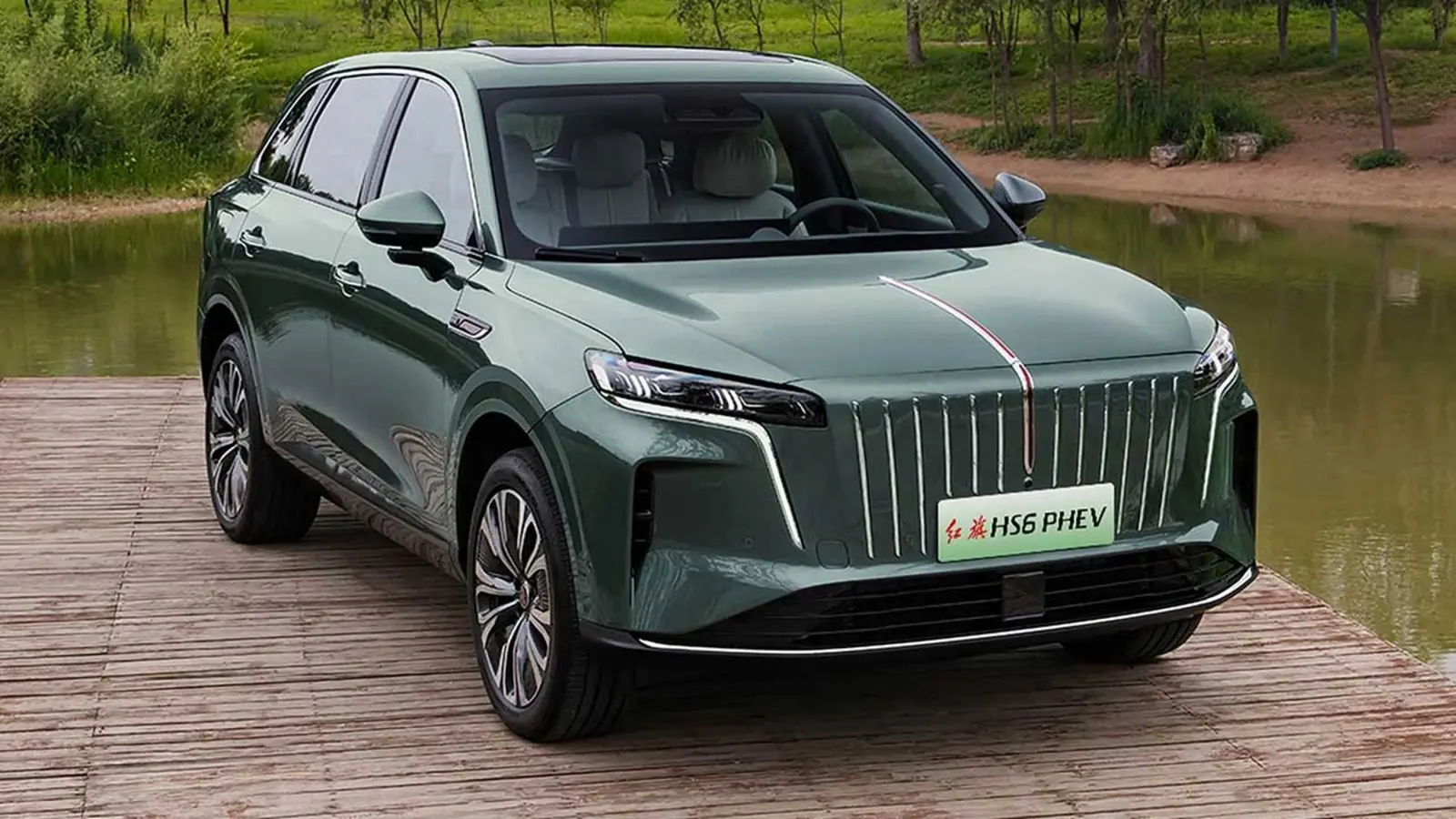
Hongqi HS6 conquers Siberian frost with 1,131 km run
In a headline-grabbing endurance test, the Chinese plug-in hybrid SUV Hongqi HS6 covered an astonishing 1,131 kilometers in bone-chilling temperatures around minus 20 degrees Celsius — and did so without a single refuel stop. The run, completed with a stock vehicle and no mechanical alterations, earned the HS6 its second Guinness World Record and put cold-weather hybrid performance squarely in the spotlight.
Why this matters
Cold weather is traditionally an enemy of electrified cars: low temperatures reduce battery efficiency and can drastically cut electric range. That the HS6 managed more than 1,100 km in Siberian conditions demonstrates advances in battery chemistry, thermal management, and drivetrain integration that are closing the gap between real-world cold-weather use and manufacturers' claims.
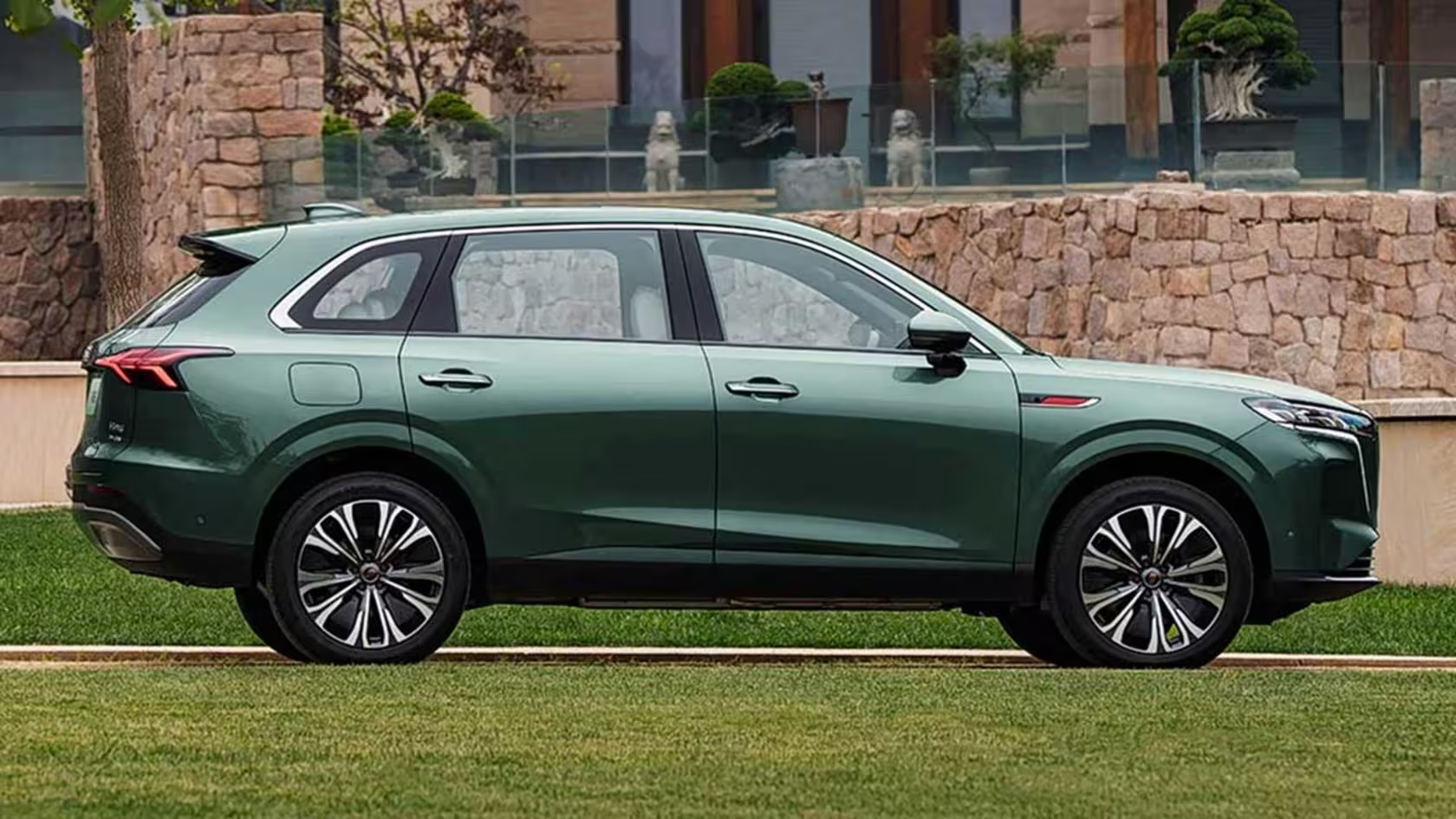
Highlights:
- Distance: 1,131 km in approximately -20°C conditions
- Vehicle: stock Hongqi HS6 plug-in hybrid SUV
- Record: Second Guinness World Record for the model (first was last year)
Technical heart: PHEV drivetrain and battery strategy
The HS6 uses a 1.5-liter turbocharged gasoline engine rated at 148 hp as the core of its plug-in hybrid system. In the front-wheel-drive layout, an electric motor adds 225 hp. The all-wheel-drive variant tacks on a second, powerful 270 hp electric motor on the rear axle to provide extra traction and capability on difficult terrain.
Battery options and range:
- LiFePO4 battery packs in two capacities: 23 kWh or 40 kWh
- Combined CLTC range up to 1,650 km in the most optimistic configuration
- Pure electric range up to 248 km under CLTC
- Fast-charging tech (4C): 20% to 80% in roughly 15 minutes
These specifications explain how the HS6 can sustain long distances: a relatively efficient combustion engine, sizeable battery capacity choices, and high-rate charging all combine to reduce the need for frequent pit stops.
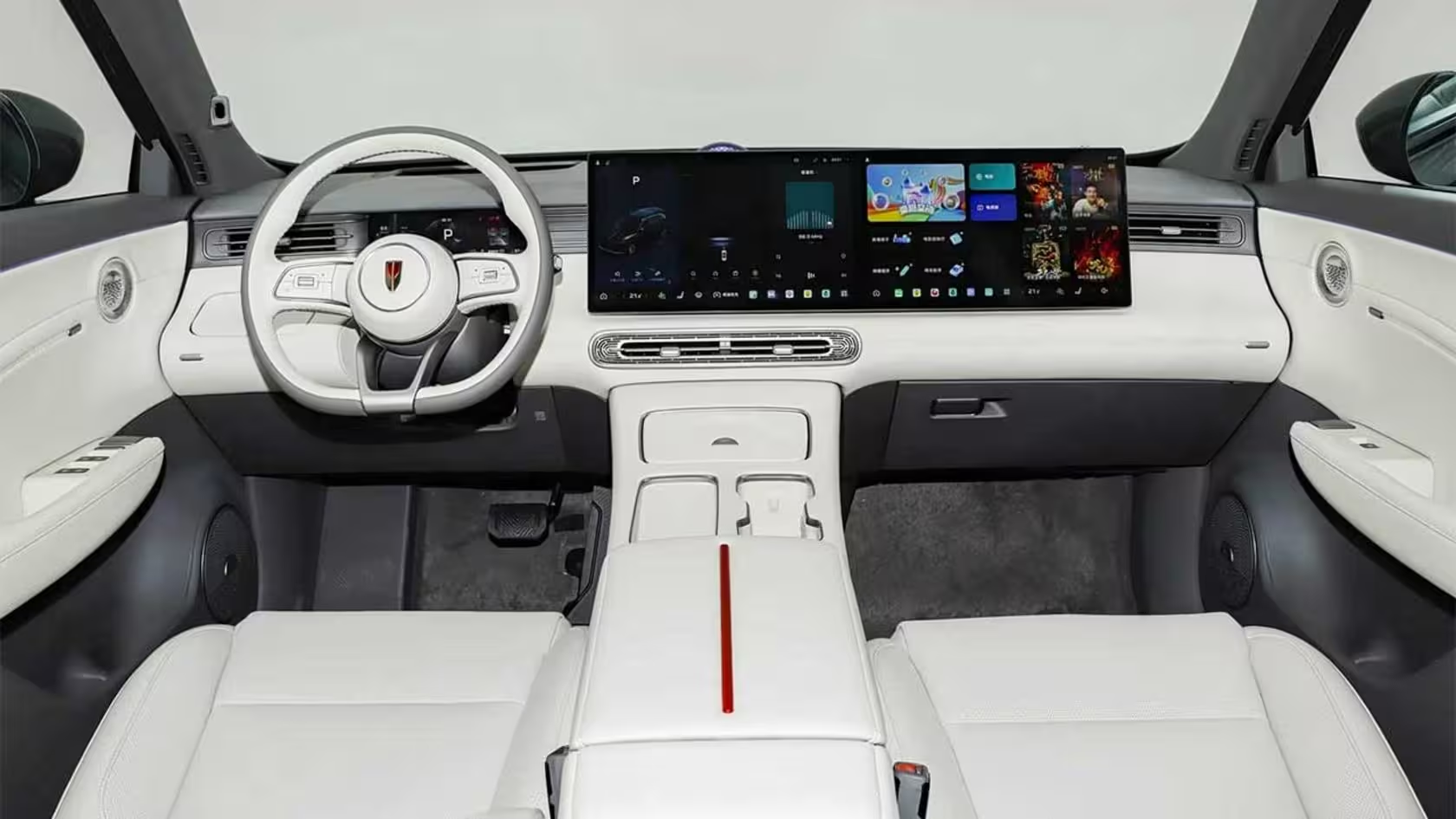
Interior, comfort and tech
Inside, the HS6 aims at a near-luxury experience. Two large 15.6-inch 2.5K displays headline the cabin, powered by a Qualcomm Snapdragon 8295P chip for responsive infotainment. The front passenger 'zero-gravity' seat reclines to 173 degrees and offers multi-mode massage, while a 16-speaker Dynaudio sound system elevates comfort on long runs.
Practicality is equally strong. As a mid-to-large SUV with a 4,925 mm length and a 2,925 mm wheelbase, the HS6 offers ample cabin space. Boot capacity is 500 liters with seats up and expands to 1,977 liters with rear seats folded.
Market positioning and perspective
Launched in China last autumn, the HS6 targets buyers seeking a tech-forward, long-range plug-in hybrid SUV at competitive pricing. With a local price bracket between 178,800 and 228,800 yuan (roughly $25,800 to $33,000), it underlines how rapidly hybrid technology has become accessible.
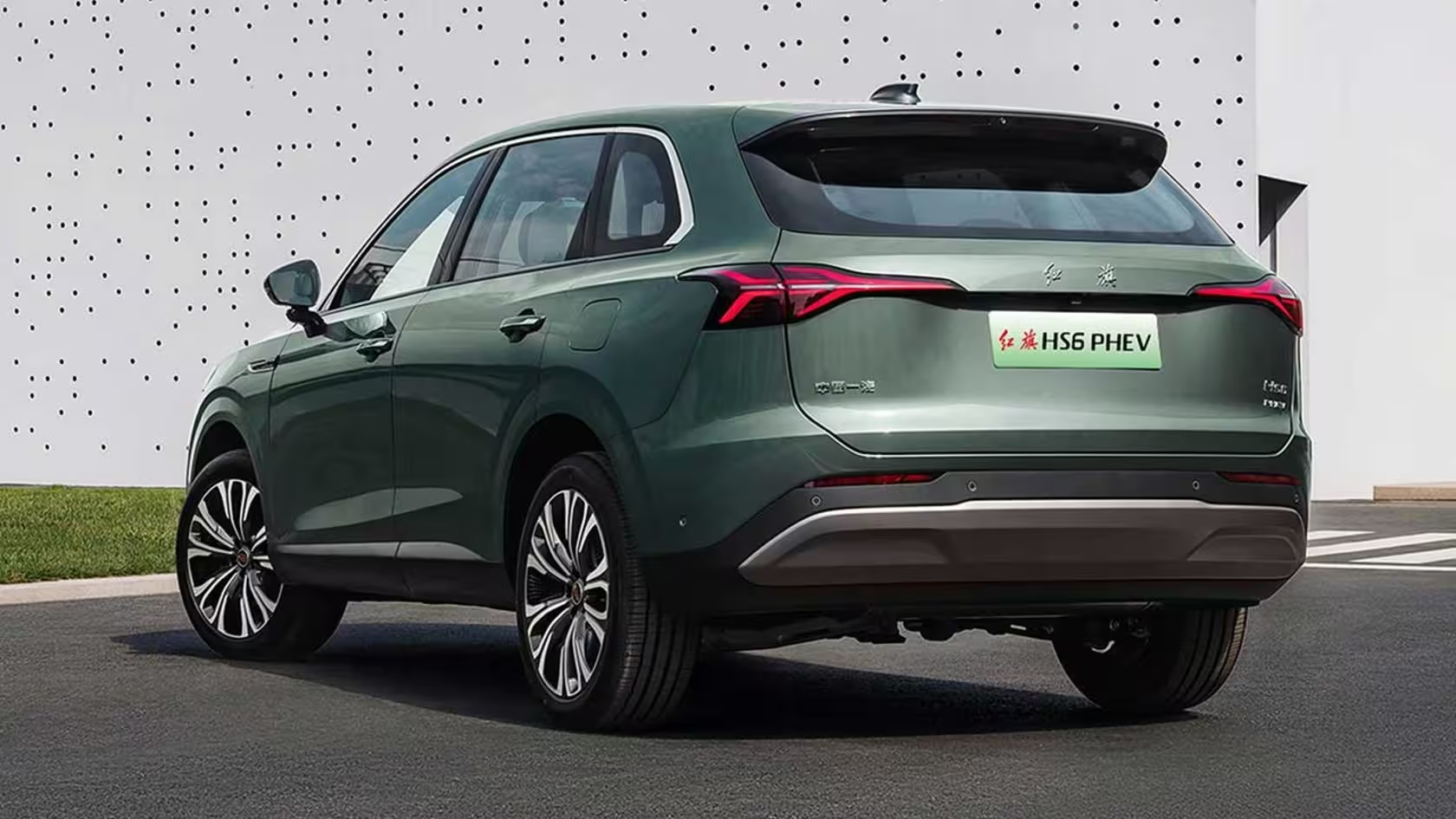
Comparatively, the HS6's recent records — including last year's 2,327 km run achieved with one full battery charge and a full fuel tank — show a deliberate push by Hongqi to showcase real-world range and durability, not just theoretical numbers.
For buyers and auto enthusiasts, the HS6's Siberian feat is a signal: modern plug-in hybrids can now handle extreme cold and long-distance duties more convincingly than many assumed. Expect manufacturers to emphasize robust thermal systems, battery chemistry choices such as LiFePO4, and integrated fast-charging solutions as competitive differentiators going forward.


Leave a Comment
Comments
No comments yet. Be the first.