
Viper reinvisioned: a shooting brake born from AI and human craft
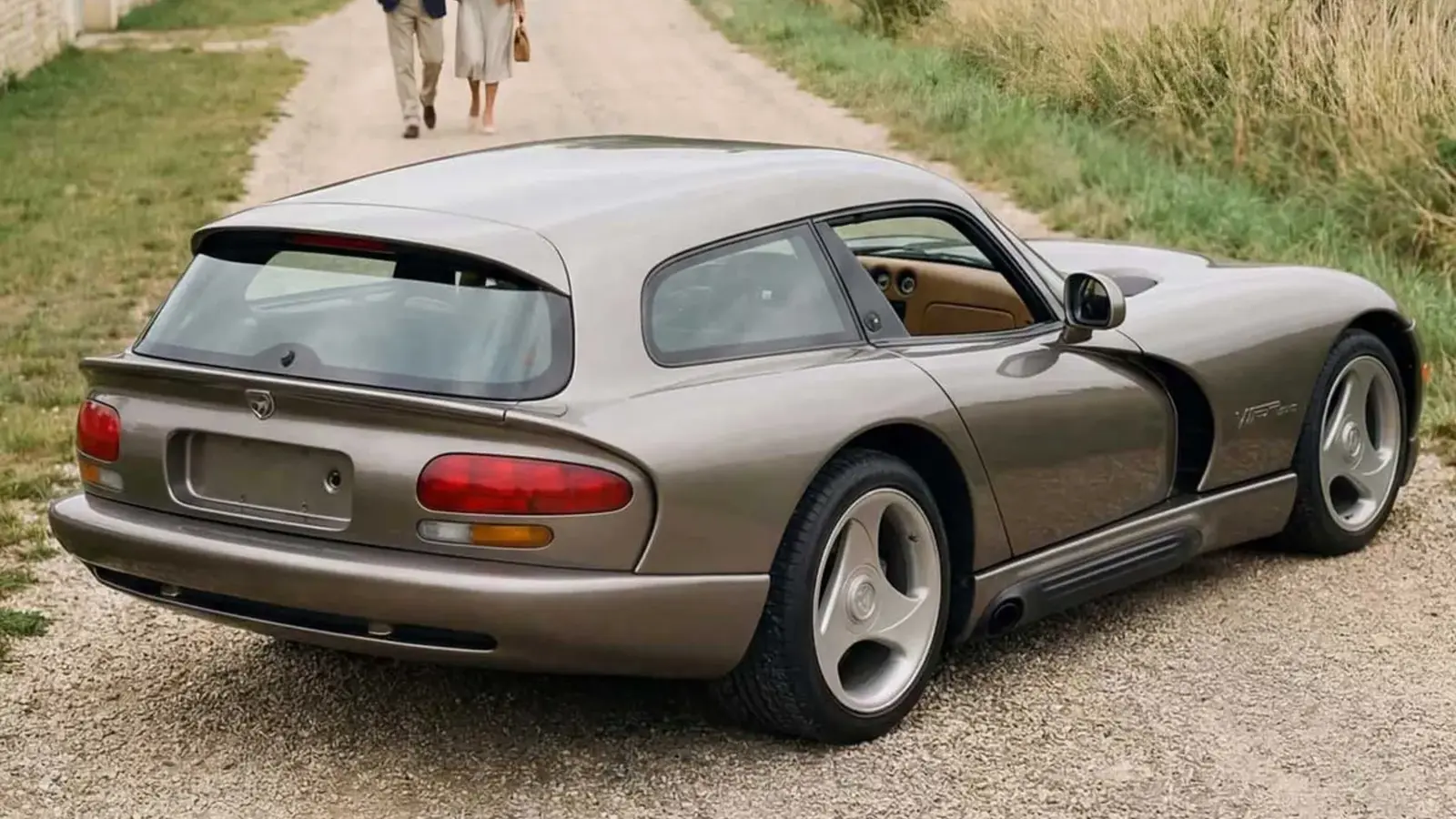
The Dodge Viper — long a symbol of raw American muscle and supercar bravado — has been reimagined as a sleek shooting brake. The project began as a digital exercise by automotive designer Sebastian Simonson and, thanks to overwhelming online enthusiasm, is moving toward a physical prototype after funding efforts kicked off.
From sketchbook to viral concept
Simonson, a veteran with more than two decades in automotive marketing and visualization (including work for high-end brands such as Koenigsegg), started the concept with hand-drawn sketches. He then used artificial intelligence to refine rendering details. Despite AI’s role in polishing the images, Simonson stresses that the core idea, proportions and design language are fully human-led. The result is a cohesive, surprisingly believable shooting brake that preserves the Viper’s aggressive character while adding practicality and poise.
Design highlights and the Viper DNA
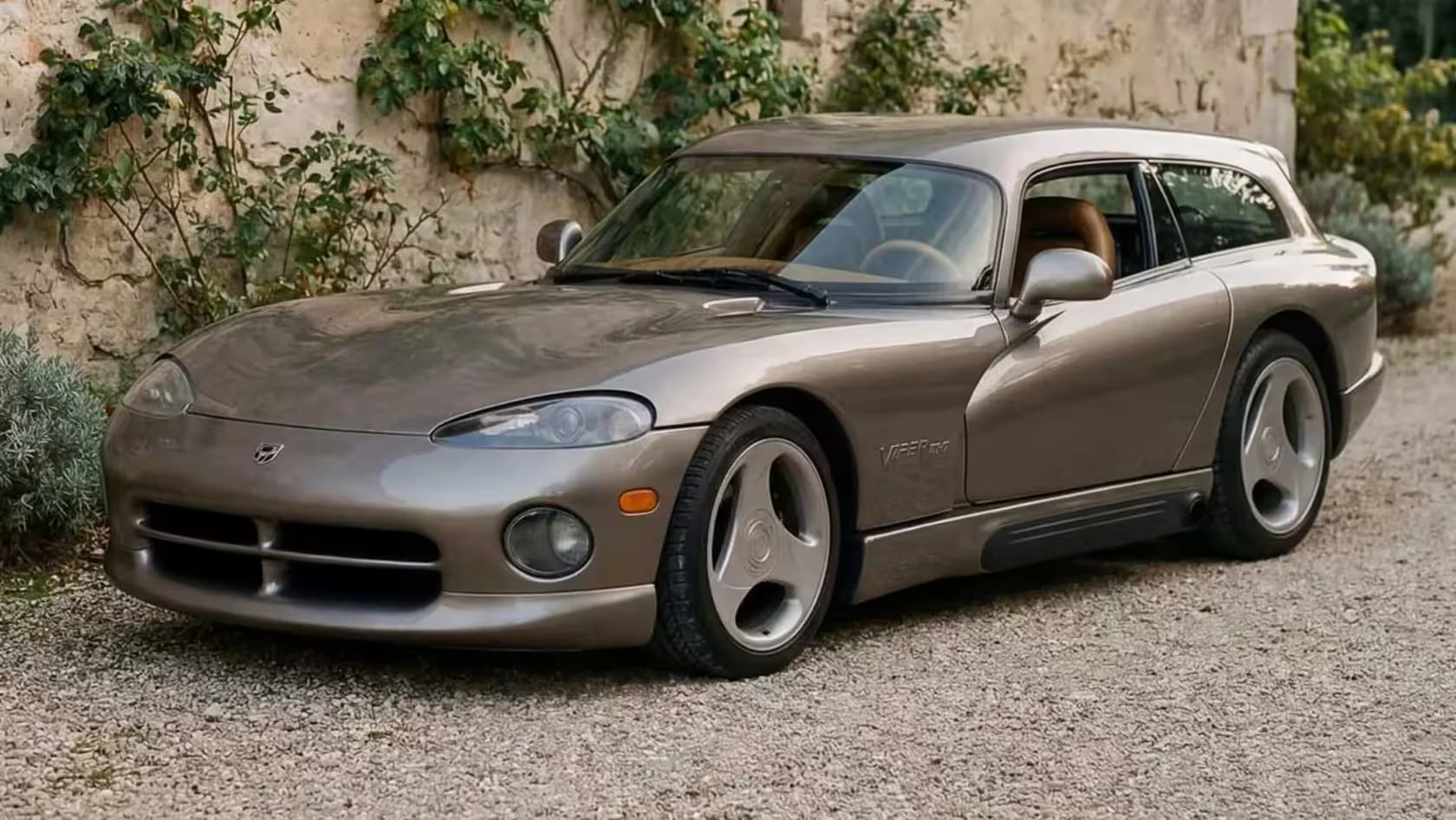
On paper, converting a brutish two-door Viper into a station-like shooting brake sounds audacious. In execution, the elongated roofline and integrated rear section feel natural, improving rear usability without diluting the Viper’s muscular stance. Key first-generation Viper signatures remain intact:
- Triple-spoke wheels that echo the classic Viper aesthetic
- Pronounced side vents and sculpted flanks
- Iconic side-exit exhausts
- The beloved 8.0‑litre V10 character — retained in concept imagery
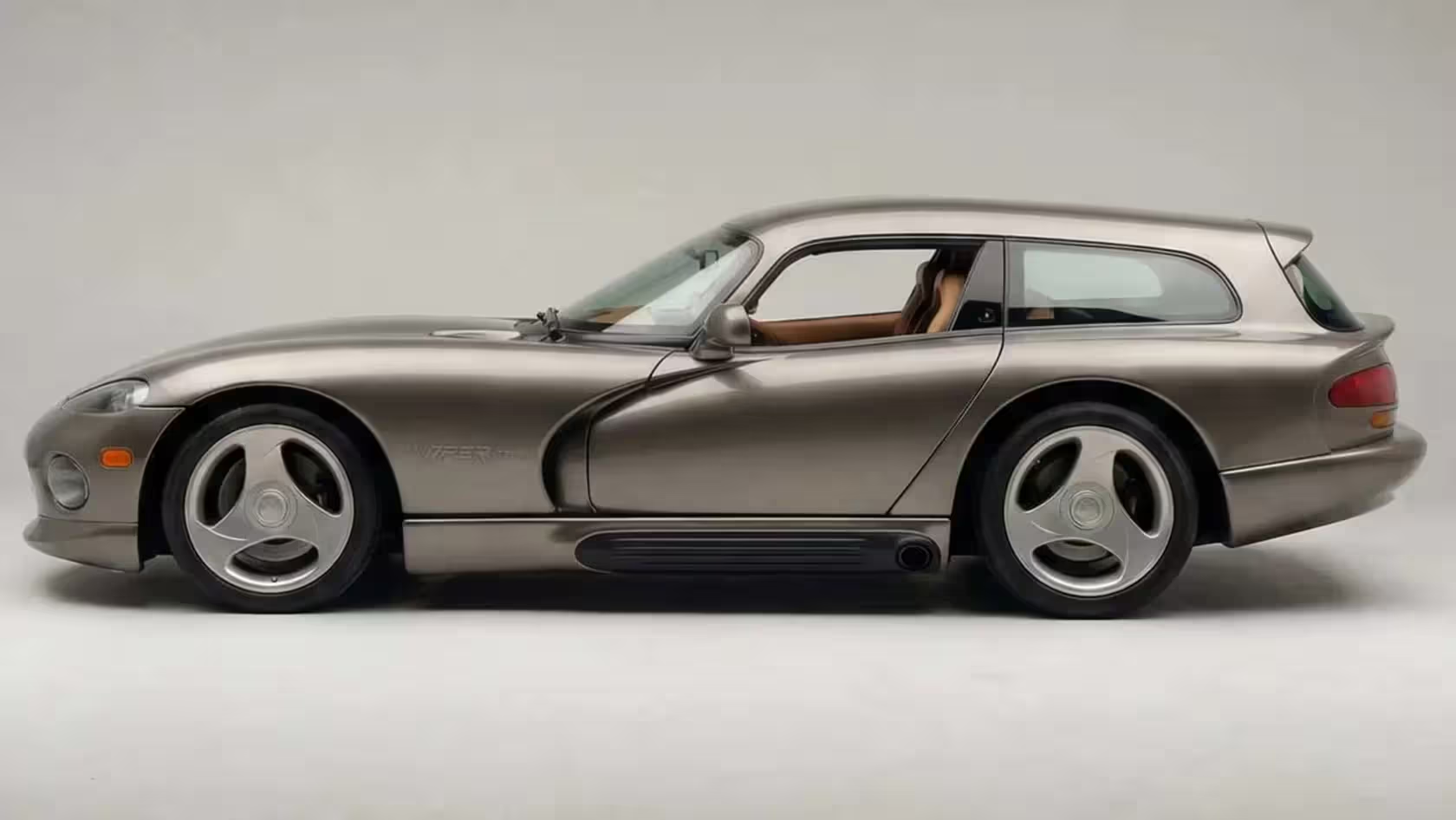
These elements help the shooting brake read as a mature, refined interpretation of the original supercar rather than a radical departure. Interesting to many designers, the stretched rear actually balances the proportions more evenly than the short-deck original.
Shooting brake: a near-extinct body style?
The shooting brake body type is rare today — the Mercedes-Benz CLA Shooting Brake was one of the last mainstream examples, though it stretched the class definition. Historically, from the Volvo P1800 ES to the Ferrari FF, shooting brakes offered a blend of sportiness and utility that captured enthusiasts’ imaginations. If a physical Dodge Viper shooting brake arrives, it could spark renewed interest in coachbuilt and limited-run shooting brake projects across the industry.
From social media buzz to a funded prototype
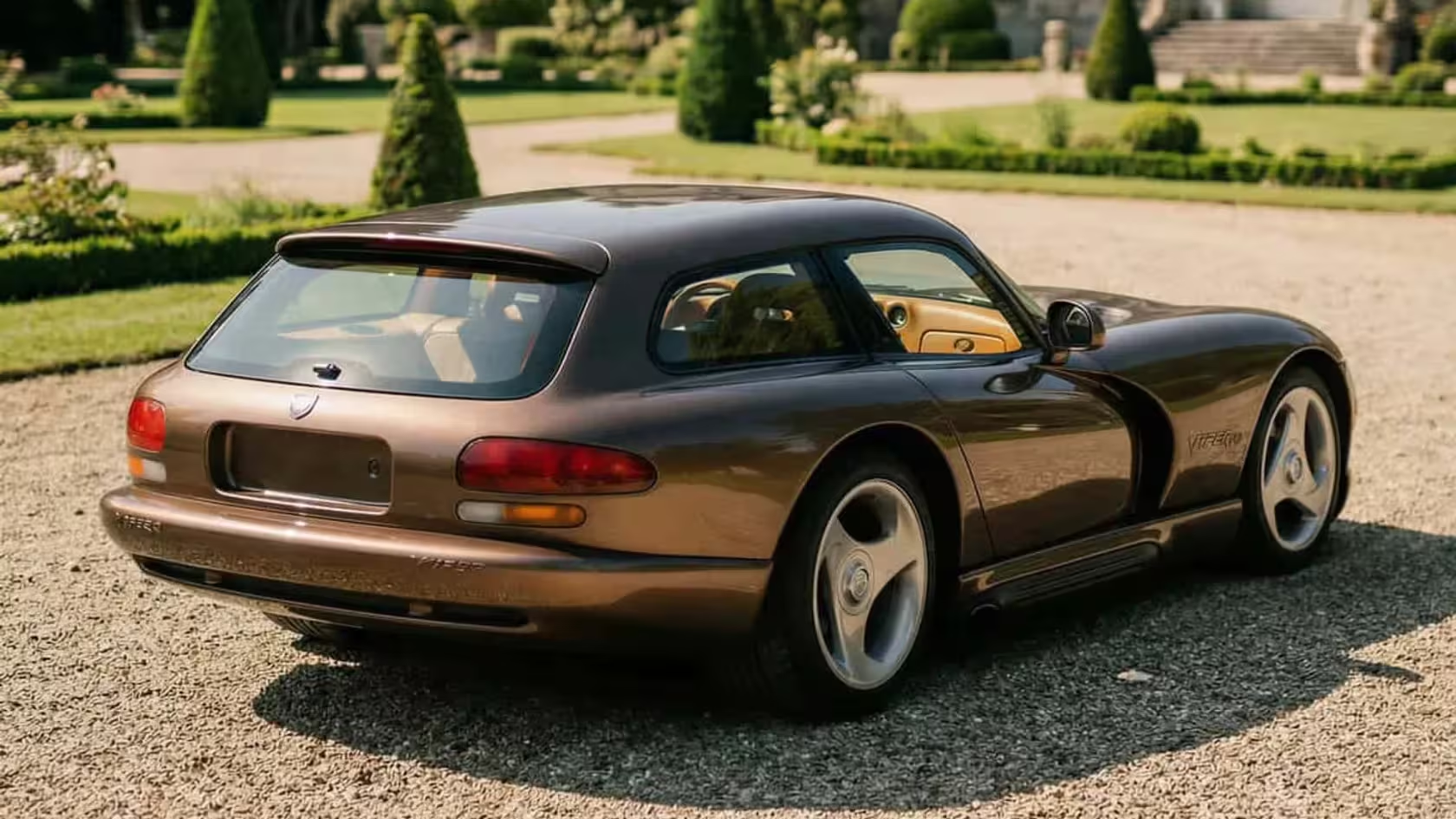
The concept went viral, amassing hundreds of thousands of likes and shares and drawing praise from figures such as former F1 champion Jenson Button. That traction translated into a practical next step: Simonson confirmed fundraising has begun to produce a tangible prototype. The team planning the build includes engineers and racers familiar with the Viper platform — a promising sign that the project aims for authenticity rather than a mere design exercise.
What to expect if the project reaches completion
- A limited run or single bespoke production, likely coachbuilt.
- Retention of the V10 engine and performance-focused chassis tuning.
- Specialist partners with race experience to adapt the Viper architecture for a longer body.
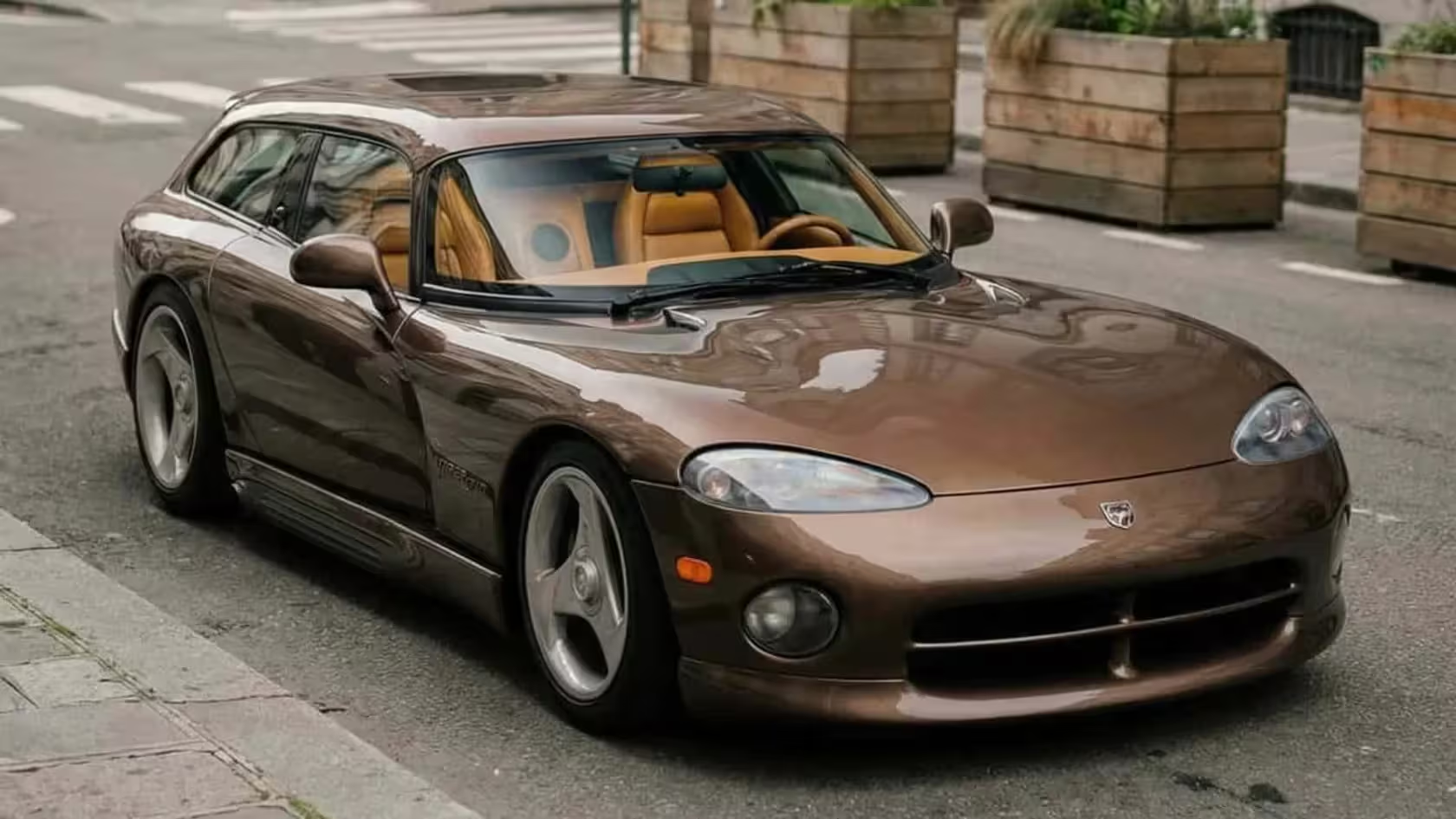
Whether this shooting brake ever reaches production volumes remains uncertain, but the initiative highlights how modern design tools — human-led sketching combined with AI rendering — can revive and reinterpret classic automotive archetypes. For fans of the Dodge Viper and shooting brake niche alike, the project is a compelling mix of nostalgia, creativity and potential engineering ambition.
Keep an eye on the build campaign: if successful, the Viper shooting brake could do more than produce one striking car — it might nudge the broader market toward bolder, coachbuilt reinterpretations of beloved sports cars.


Leave a Comment
Comments
No comments yet. Be the first.