
3 Minutes
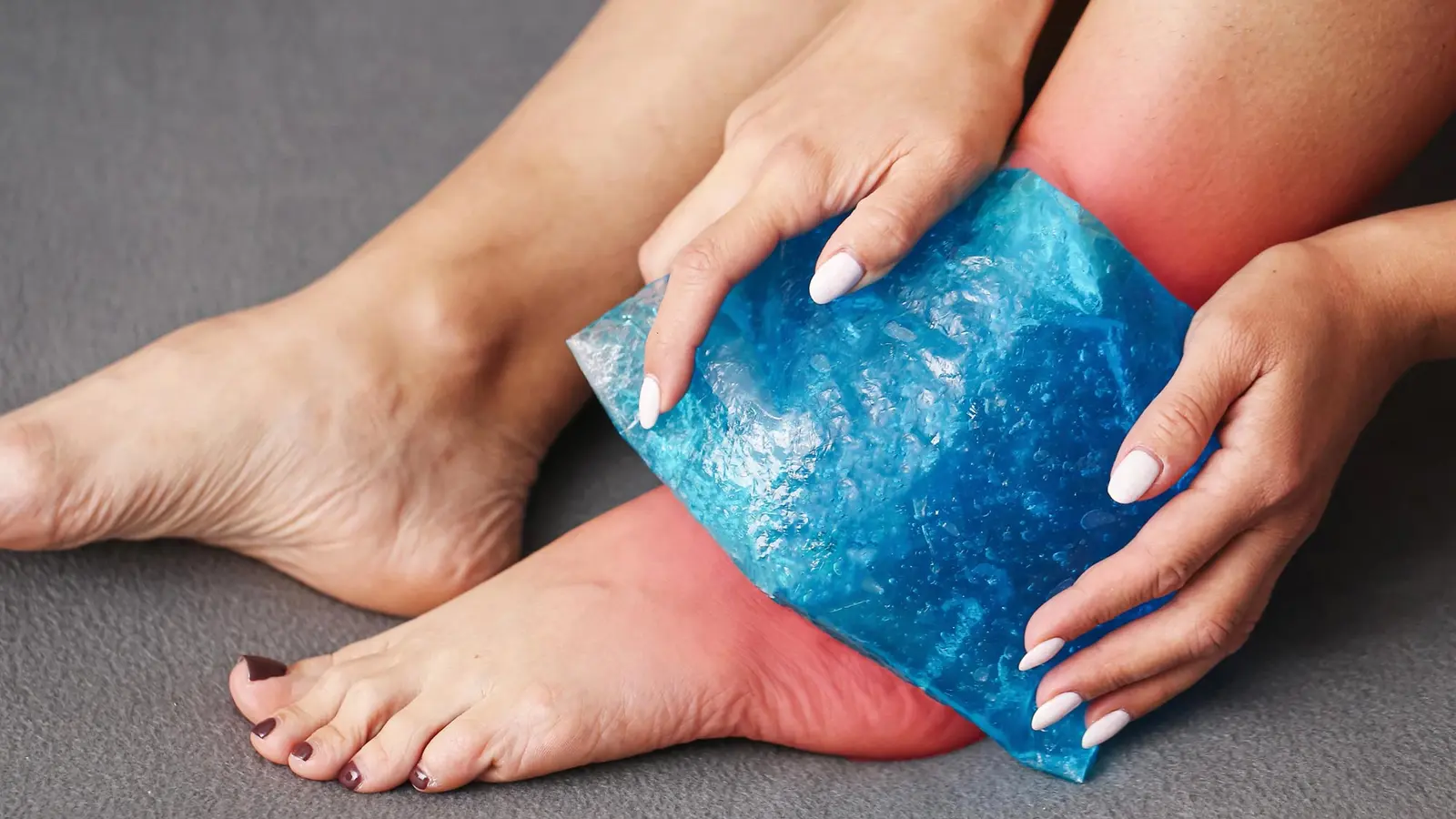
You sprain an ankle and reach for the ice without thinking. Instant relief. The swelling dips. The throbbing quiets. It feels like the right thing to do. But a new set of experiments from McGill University is asking a blunt question: could that reflexive ice pack be trading short-term comfort for longer recovery?
Researchers published preclinical work in Anesthesiology showing that cryotherapy—the same icing we use after sprains and strains—does indeed blunt pain quickly. But in mice models of inflammatory and exercise-related injuries, that quick calm sometimes came at a real cost: the overall recovery window more than doubled in some animals.
Lead author Lucas Lima, of the Alan Edwards Center for Research on Pain, frames the paradox plainly. Dampening inflammation eases pain, yes. But inflammation also kickstarts tissue repair. Turn down the fire too aggressively, and the rebuilding crew may arrive late or not at all.

In these experiments, icing reduced immediate pain but in some cases extended how long pain lasted during recovery.
It’s a point that resonates with other lines of evidence. Pain-relieving drugs like aspirin, which suppress inflammation, have been linked in earlier studies to longer-lasting pain. Animal research has hinted that cold therapy can slow tissue regeneration. What this new paper adds is a direct look at how icing changes the timeline of pain itself.
The study doesn’t mean everyone should stop icing today. The work was done in mice, and the authors are careful to say human implications are not yet proven. Jeffrey Mogil, the senior author, says the findings highlight a need to understand when anti-inflammatory tactics help and when they might hinder healing. To that end, a clinical trial is underway to test whether similar effects appear in people recovering from short surgical procedures such as wisdom tooth extraction.
Practices like RICE—rest, ice, compression, elevation—are deeply embedded in both sports medicine and home first aid. Ice is cheap, immediate, and satisfying. But medicine has begun to ask deeper questions: is suppressing every sign of inflammation the same as restoring function? Are we trading pain now for vulnerability later?
The takeaway for now is cautious: ice remains useful for rapid symptom control and to make a painful episode bearable. But if your goal is full, timely recovery, especially after tissue injuries where inflammation plays a repair role, indiscriminate icing might not be neutral. Expect guidance to evolve as clinical trials report, and when in doubt, ask a clinician whether a cold compress is helping you heal or merely hiding the problem.

Leave a Comment
Comments
No comments yet. Be the first.