
3 Minutes
An afternoon card game, a chess match at the local centre, a quiet hour spent reading — ordinary fragments of daily life that, it turns out, may subtly rewrite how our bodies age. Small routines. Big consequences.
Researchers tracked 12,862 Australians aged 70 and older over an 11-year stretch to see whether social and mentally engaging activities change the course of physical decline. Participants were relatively healthy at the start, without major illnesses such as heart disease or dementia. Each year investigators recorded health markers ranging from abdominal fat and smoking status to cognitive recall tests, walking speed, grip strength and the ability to manage daily tasks like dressing or preparing meals.
Two established tools guided the analysis: a deficit-accumulation index that gauges biological ageing across the whole body, and the Fried frailty phenotype, which flags physical frailty. The question was simple: beyond exercise and diet, can social contact and mental stimulation help people stay robust into later life?

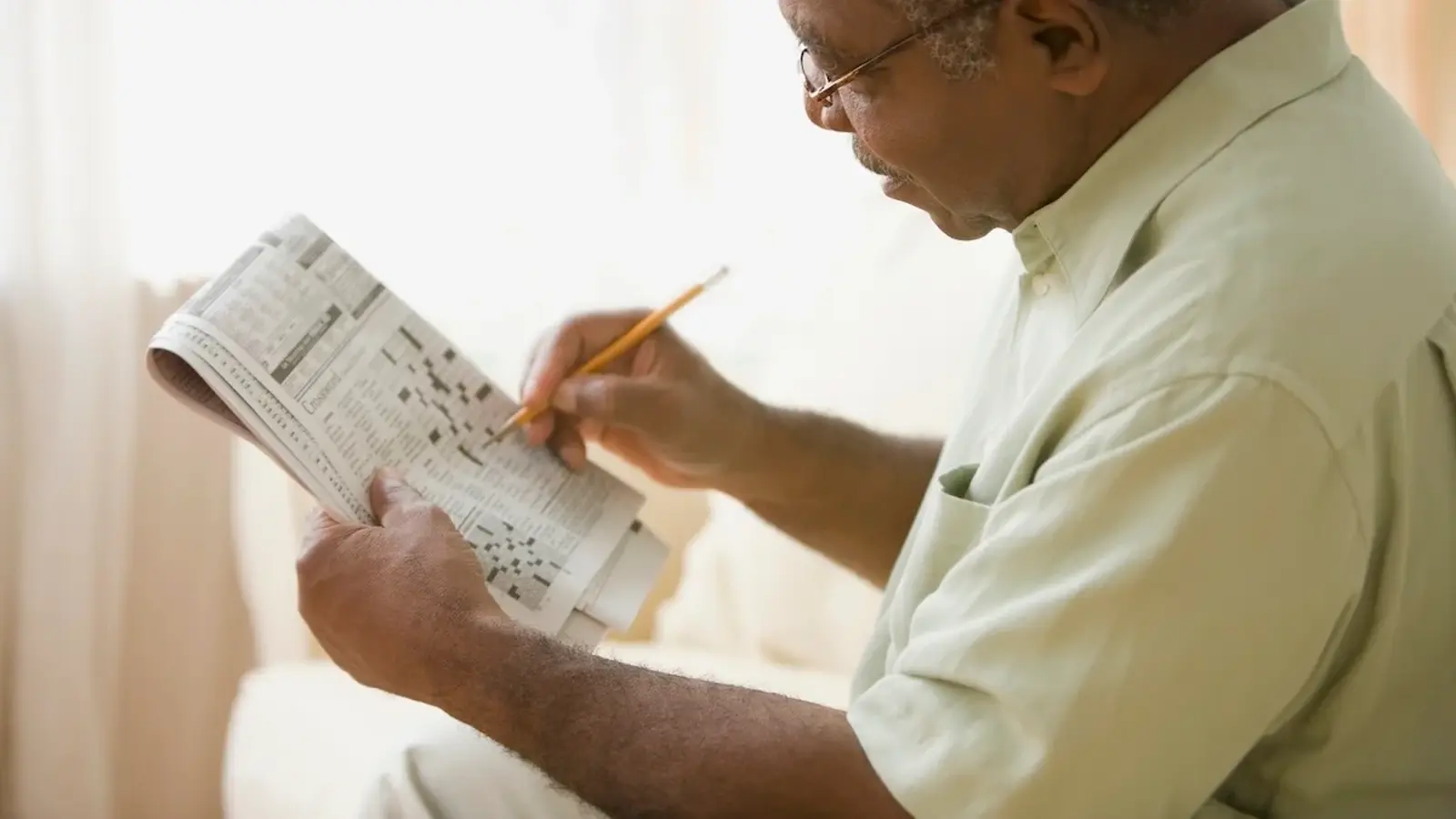
The answer, in plain terms, is yes — but modestly. Joining a club or local organisation was linked with roughly a 3% lower chance of becoming frail over seven years. Having a wider circle of friends or family you can call on produced a similar benefit. Activities that stretch the mind — playing cards or chess, doing crosswords or puzzles — were associated with about a 4% reduction in frailty risk. Literacy activities such as writing letters, using a computer or attending classes carried a smaller advantage, near 2%.
Not all gains were uniform. Women appeared to reap stronger protection from these social and learning pursuits, with reductions in frailty risk ranging from about 3% to 6%; comparable effects were not observed in men. The differences are subtle, but consistent. Think of these activities as a kind of cognitive and social resistance training — the load is light, but the repetitions add up.
Small, regular social and learning habits seem to modestly lower the chance of frailty.
These findings do not suggest social engagement is a substitute for exercise or healthy eating; plenty of evidence already supports those pillars of healthy ageing. Rather, social and mental activities appear to be complementary tools. They encourage movement, sharpen the mind, and create opportunities to leave the house — all behaviours that likely feed into better physical resilience.

From a policy perspective the implications are practical. Investing in age-friendly community infrastructure — libraries, lifelong-learning programmes, community centres and transport — and simple adaptations such as ramps and grab rails can remove barriers that stop older people from taking part. When accessibility becomes routine, participation follows.
There are still open questions. How do these activities interact with exercise, nutrition and medical care? Why do women benefit more than men? Future research must untangle those threads. In the meantime, the evidence nudges us toward a simple public-health idea: social life and learning are not just pleasant extras. They are small medicines we can prescribe with a phone call, a bus pass or a free class. Will societies treat them as such?


Leave a Comment
Comments
No comments yet. Be the first.