
3 Minutes
Imagine a palm-sized computer that can sift through terabytes of sensor data, decide in an instant which images matter, and steer a landing without waiting for Earth to answer. Small. Quiet. Ruthlessly efficient. That is the promise behind NASA's latest High Performance Spaceflight Computing (HPSC) chip.
Long missions — to the Moon, to Mars, and beyond — push spacecraft out of the quick-reply zone. Radio delays grow from seconds to minutes to hours. Human operators are essential, yes, but cannot be in the loop for every split-second choice. So engineers are teaching machines to shoulder more of the burden. The HPSC is the first radical step: a radiation-hardened system-on-chip (SoC) built for life in deep space and for the kind of on-the-fly AI workloads modern exploration demands.
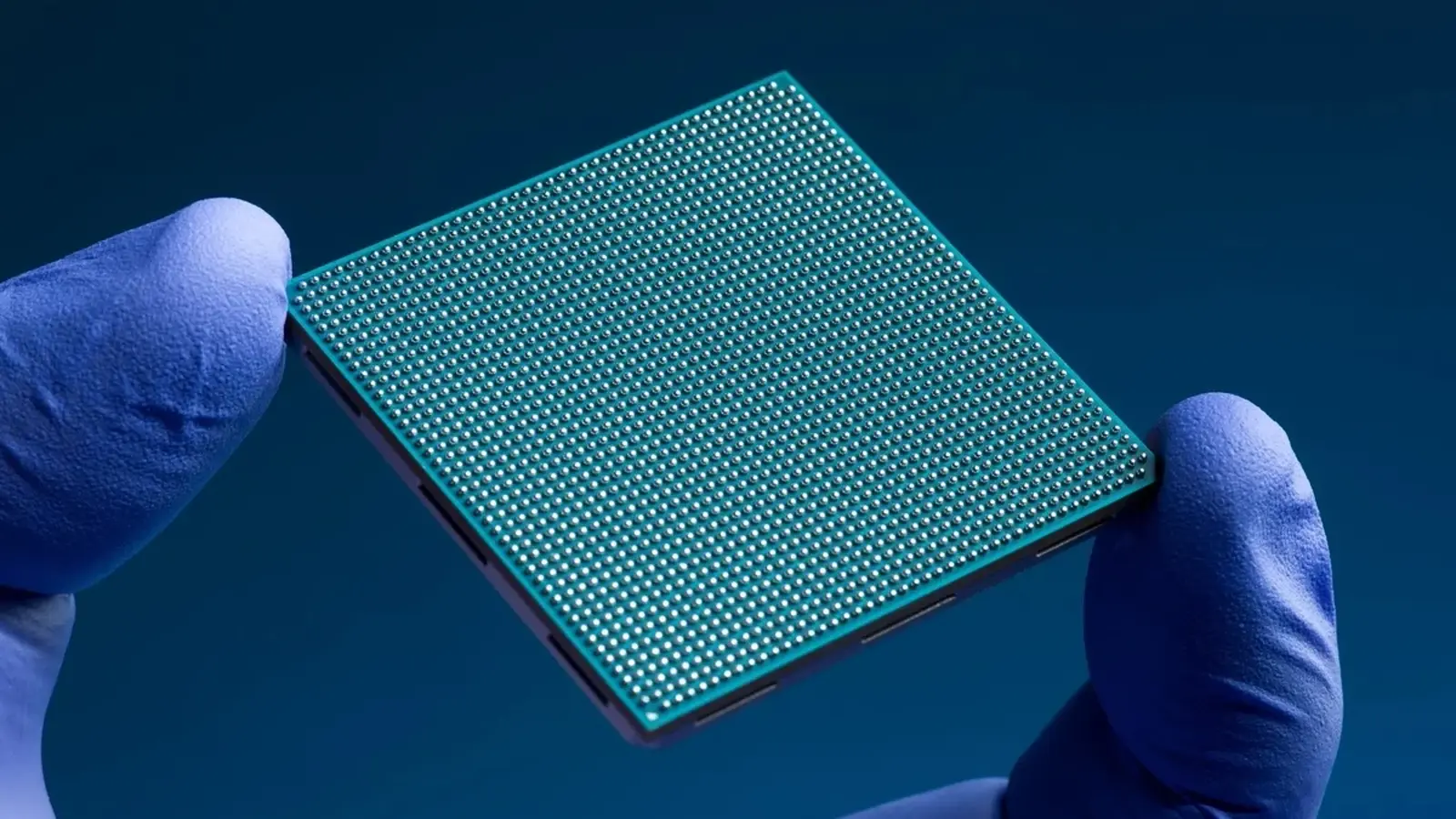
Built through NASA's Game Changing Development program with Microchip Technology Inc., HPSC squeezes CPUs, advanced networking, memory, and dedicated dataflow engines onto a single die. Think smartphone smarts, but ruggedized for decades of exposure to radiation, temperature swings, and the violent shakes of launch. And yes — the designers added scalable vector computing and AI dataflow processing so the chip can run inference, filter noisy telemetry, and prioritize the data scientists on Earth actually need.

Durability was non-negotiable. Space is not forgiving. High-energy particles from the Sun and cosmic rays can flip bits and corrupt calculations. Cold can stall electronics. Vibrations and shocks from launch can break fragile components. To prove HPSC is more than a clever design, JPL has been running it through a battery of stress tests — radiation bombardment, thermal cycling, shock, and functional trials that replay the worst-case landing scenarios from real missions.
Results so far have been eye-opening. During early testing at the Jet Propulsion Laboratory that began in February, engineers reported performance gains far beyond incremental improvement. Compared with the radiation-hardened processors currently flying, JPL's head-to-head runs have shown the HPSC operating hundreds of times faster for certain workloads. Where older chips bog down, this new chip chews through imagery and sensor streams that would otherwise require dedicated ground-side hardware.
Speed, however, is only half the story. Power is everything in space. HPSC is designed to be flexible: cores and accelerators can be throttled, put to sleep, or powered down entirely when not required. That adaptability lets mission designers balance energy budgets against computational need — a must for landers, rovers, and habitats that cannot afford wasted watts.
There are also operational benefits. Autonomous hazard avoidance during descent. Onboard selection of scientifically interesting targets. Real-time compression and triage of data before long, costly transmissions home. These are things that could dramatically increase scientific returns while reducing the burden on mission planners back on Earth.
Engineers at JPL are candid about the work ahead. Certification for spaceflight is strict. A technology that survives a lab campaign still needs to survive years embedded in a spacecraft, millions of kilometers from repair docks. But the HPSC tests are a major milestone — and one that signals a shift in how NASA thinks about mission computing. If these chips clear their remaining hurdles, they won't just speed calculations; they'll expand what we can ask spacecraft to do on their own.
So when the next rover or orbiter lifts off, it may carry not only cameras and drills, but a tiny, toughened brain capable of choosing its own moments to act — and to surprise us with discoveries made without a phone call to Earth.


Leave a Comment
Comments
No comments yet. Be the first.