
2 Minutes
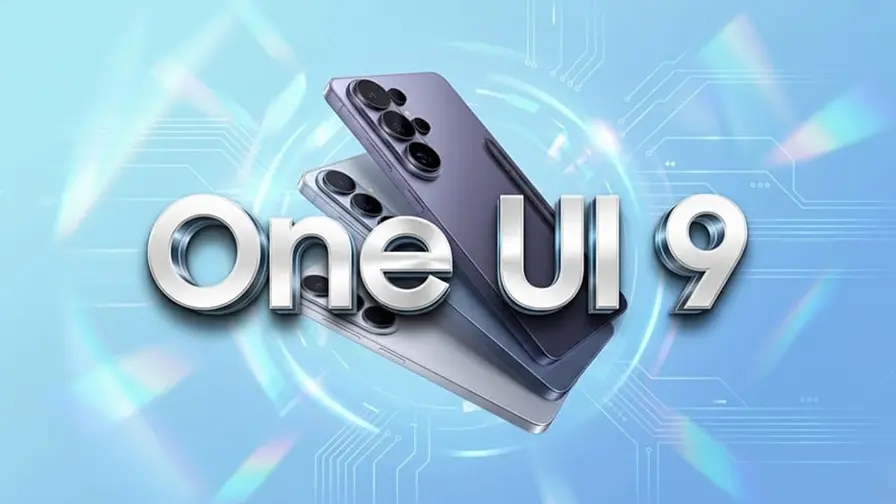
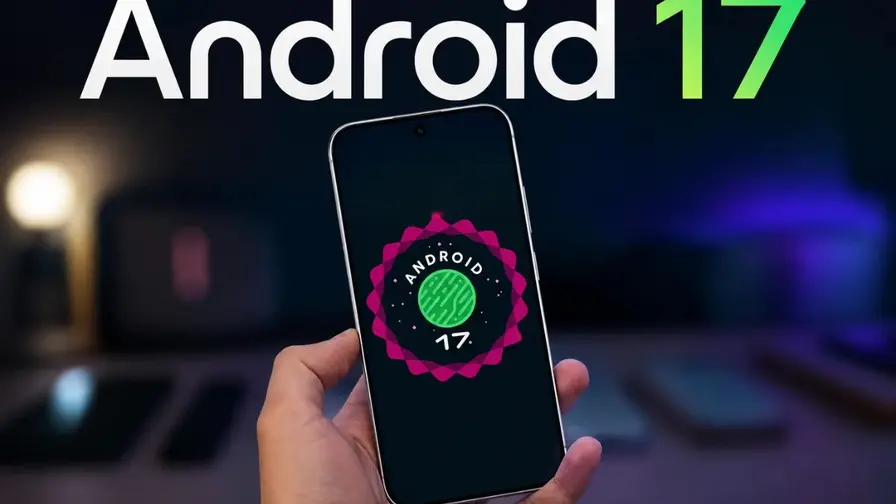
If your Galaxy suddenly feels like it's on borrowed time, you're not imagining things. Google has pushed Android 17 to Pixels, and Samsung is expected to peel back the curtain on One UI 9 soon—probably within weeks. Big update. Big expectations. Not big enough for every model.
Samsung promised multi-year support for many Galaxy phones, and for a chunk of the lineup that promise has already been fulfilled. That means a large group of handsets—mid-range A-series phones and even a few flagship-era devices—won't get the Android 17 upgrade. Surprising? A little. Predictable? Yes, if you follow Samsung's published upgrade policy.
We compiled this shortlist from Samsung's current update rules, so while the company doesn't publish device-by-device exclusions in advance, the list below should be accurate for models that already received One UI 8.0 but won't move to One UI 9.0 (Android 17).

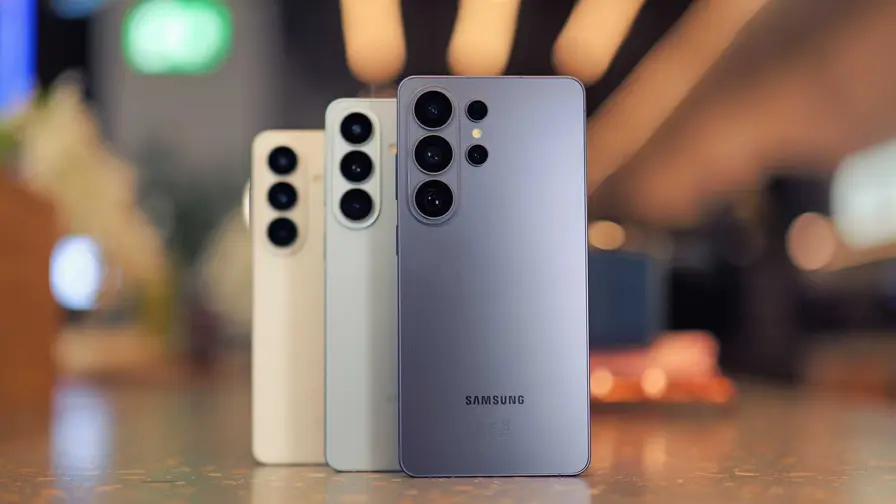
High-end devices that are expected to be left out include the Galaxy S22, S22+, S22 Ultra, the S21 FE, the Galaxy Z Fold 4 and Z Flip 4, plus the Tab S8 family—Tab S8, Tab S8+ and Tab S8 Ultra.
On the mid-range side, the affected phones appear to be the Galaxy A73 5G, A53 5G, A33 5G, A14 (4G and 5G), A06 4G, A05, A05s, M53 5G, M33 5G, M14, M05, F53 5G, F33 5G, F14, F05 and the rugged XCover 6 Pro.
If your phone is on the list, it almost certainly won't receive One UI 9 (Android 17). That doesn't mean it will stop getting security patches right away—Samsung often continues essential fixes for a while—but feature updates and the newest UX improvements will be off the table.
So what now? If you want Android 17 features and the latest One UI refinements, you'll need to consider a newer model. If not, make sure your current device is backed up and that you keep an eye on Samsung's security bulletins; small updates may still arrive for months to come.



Leave a Comment
Comments
No comments yet. Be the first.