
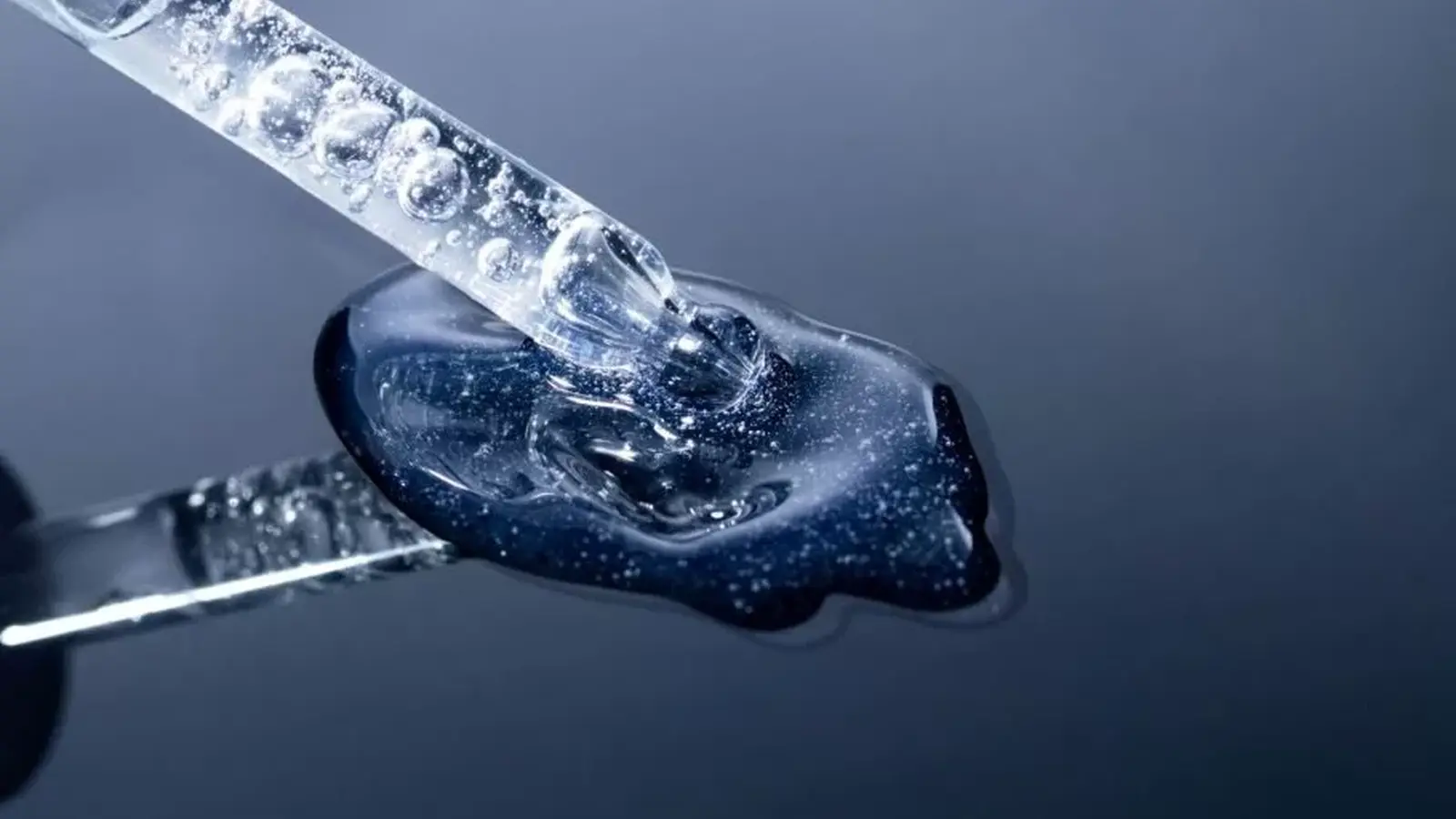
Imagine a gel that slips through a needle like water and, the moment it lands inside a wound, becomes a living scaffold that rallies cells into rebuilding tissue. That idea has just moved closer to reality.
Researchers at the Trasaki Institute for Biomedical Innovation in the United States have blended two unlikely natural allies—silk fibroin from silkworm cocoons and puerarin, a bioactive compound pulled from the root of the kudzu plant—into an injectable hydrogel that speeds healing in lab tests. The mix doesn’t rely on harsh chemical crosslinkers. Instead it uses hydrogen-bonded, physical interactions to knit a mechanically robust network without altering the silk’s protein structure.
Why combine these two materials? Silk fibroin brings biocompatibility and a protein scaffold that cells recognize. Puerarin supplies antioxidant and anti-inflammatory power. Put together, they complement one another: silk provides the structure, puerarin tightens and strengthens it from the inside, producing a material that is at once flexible and surprisingly tough.

The team tested five formulations with rising puerarin concentrations—ranging from 1% to 5%—against a fixed amount of silk fibroin. As puerarin increased, internal pore networks densified and mechanical strength climbed. More of the compound created a finer, more interconnected gel architecture, not by chemical modification, but by forming extensive hydrogen-bond networks that stabilize the matrix.
Cell survival topped 95% from day one across all formulations, and none showed signs of toxicity. Those figures are striking. Cells cultured with the hydrogels closed experimental wounds within 72 hours in every case. The highest puerarin formula even completed roughly 60% of the repair process within the first 24 hours—an acceleration that could dramatically reduce infection risk in clinical settings.
There’s another practical advantage: the hydrogel is shear-thinning. Squeeze it through a very fine needle and it flows. Release the pressure and it snaps back to a gel. That injectability matters when treating deep, irregular, or otherwise inaccessible injuries—places where conventional dressings can’t reach.
The researchers avoided complex chemical crosslinking because those reactions can leave toxic residues or require conditions not compatible with living tissue. Physical bonding sidesteps those pitfalls, offering a cleaner route to mechanically stable, bioactive scaffolds. It’s a simple idea executed with careful materials design.
Laboratory results are promising, but there are reasonable caveats. These experiments used cultured human skin cells and controlled wound models. Translating fast closure in vitro into predictable healing in patients will require animal studies and clinical trials that address immune responses, long-term integration, and real-world biomechanics.
Still, the blend of silk fibroin and puerarin reads like a pragmatic answer to a persistent problem: how to build a scaffold that the body accepts and that actively stimulates repair. The full study appears in ACS Omega, and it offers a clear technical pathway for future work on injectable, natural-material hydrogels for tissue regeneration.
What if wound care could move from passive coverage to active, in-place repair? This hydrogel brings that question into sharper focus—and invites the next round of experiments.


Leave a Comment
Comments
No comments yet. Be the first.