
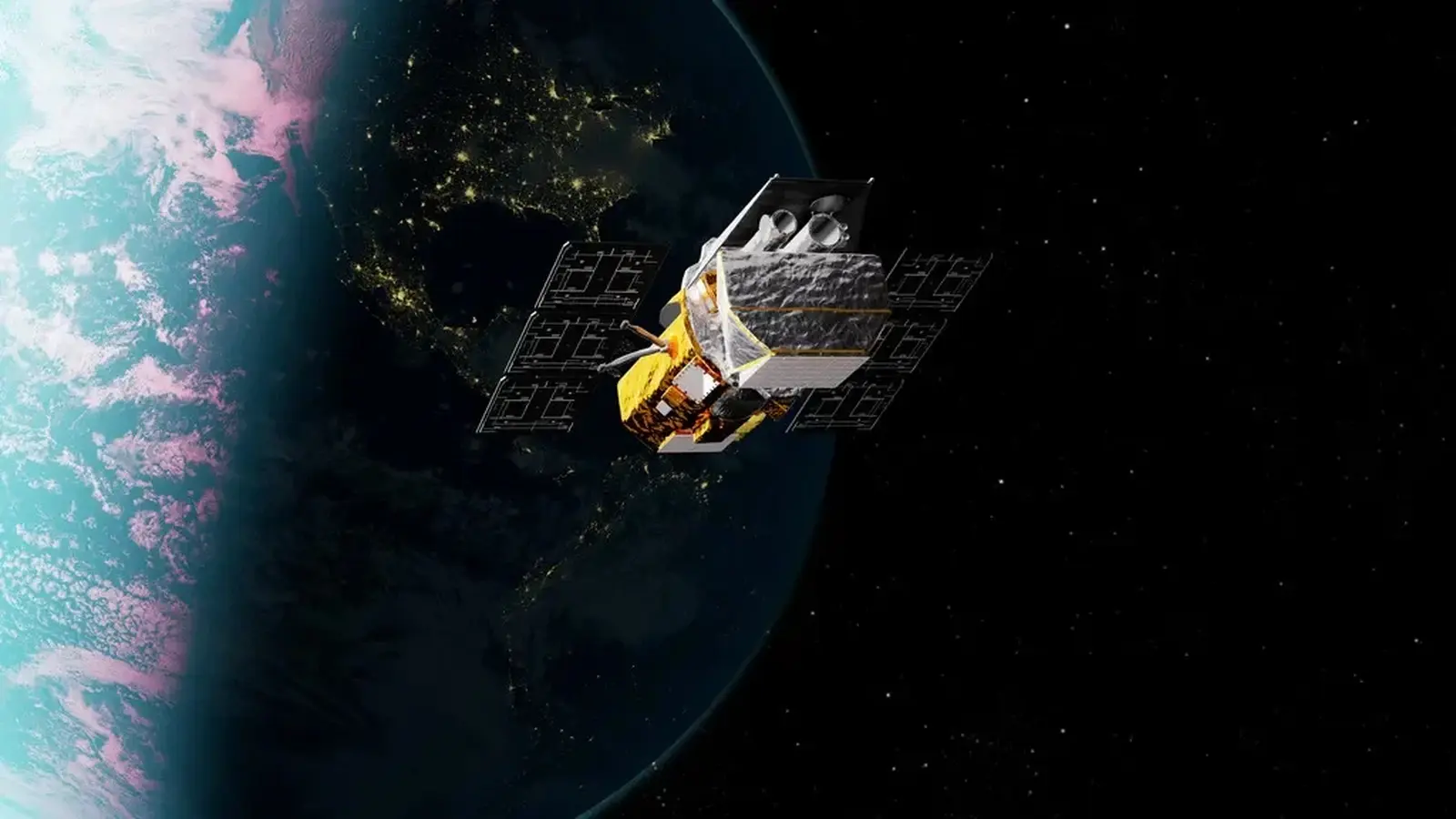
When a space telescope starts its slow tumble toward Earth, most people picture drama: fire, debris, headlines. That image sells papers. Reality is quieter and more useful.
Satellites and observatories re-enter the atmosphere all the time. Pieces burn up. Some fall harmlessly into oceans. No catastrophe. But this particular descent has been framed by NASA not as an accident, but as an experiment—an opportunity to gather operational knowledge that could shape how we manage spacecraft for decades.
Why take that chance? Because some machines are worth learning from even as they fade. The telescope in question, like a seasoned instrument with a unique set of eyes, offers capabilities that would be expensive, even impractical, to replace. Rather than immediately manufacturing a successor, engineers are treating the end of its orbital life as a chance to test techniques that might extend the utility of other missions or reduce future costs.

'This daring approach also extends Swift's scientific lifetime and is more affordable than replacing the observatory's unique capabilities,' NASA explained. Short sentence. Big idea. Stretch the life of a mission, save money, and collect lessons that feed into future planning. That's the calculus.
Think of it like a seasoned pilot teaching rookies how to land a tricky plane. The pilot will put the aircraft through maneuvers that a simulator never quite captures. Engineers can do the same with spacecraft: trial reentry profiles, refine deorbit maneuvers, validate software responses, and improve protocols for debris mitigation. Those are practical, hard-won lessons.

There is also a sustainability angle. As low Earth orbit becomes more crowded, responsible end-of-life strategies matter. Controlled deorbiting, improved prediction of reentry windows, and smarter risk assessments keep satellites from becoming long-term hazards. Testing these approaches now builds institutional muscle that pays off when the stakes are higher.
Not every experiment needs to be flashy. Sometimes the best research is watching a trusted observatory complete its mission with purpose, and learning how to do the next one better, faster, and cheaper. If a planned descent can teach us how to keep more eyes on the sky, doesn't that seem worth the fall?

Leave a Comment
Comments
No comments yet. Be the first.