
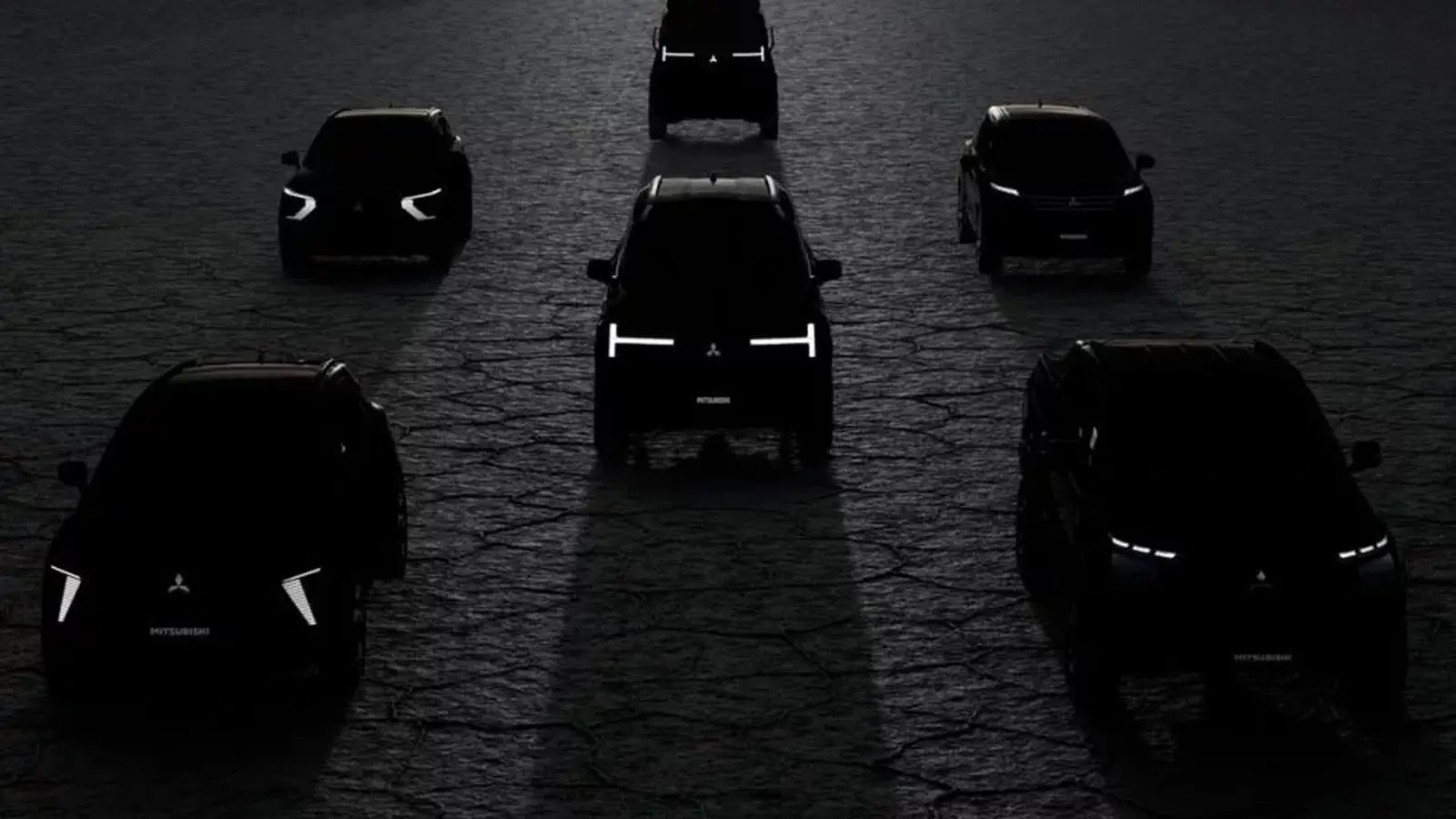
Mitsubishi shifts from in-house EV development to partnerships
Mitsubishi Motors is stepping back from developing fully standalone electric vehicles and will instead lean on alliances with Nissan, Foxconn and other partners to supply its next wave of electrified models. Once an early EV pioneer with the 2009 i‑MiEV, the company’s leadership now says heavy, independent investment in EV platforms is too risky for a compact automaker while the market is still maturing.
"For a company of our size, pouring huge sums into one technology and then taking large losses would create a major management crisis," Mitsubishi CEO Takao Kato told shareholders, stressing the need to share development costs and closely monitor market trends before committing to large-scale EV programs.

Why the U-turn?
Global electric-vehicle sales growth has slowed and regional demand is uneven. While EV penetration is climbing in markets such as the UK, Germany, France and Australia (Australia hit a record 19.9% EV share in May 2026), sales in the United States plunged roughly 27% year-on-year in the first quarter after federal tax incentives were removed and emissions rules were relaxed. That sharp drop has forced automakers to rethink timing, platform investments and go-to-market strategies.
For Mitsubishi the calculus was financial as much as strategic. Revenues rose modestly last fiscal year, but operating profit fell significantly due to rising transit costs and market shifts. The company remains profitable overall, but executives say they are unwilling to "gamble" on exclusive EV platforms that require massive capital outlays.
New roadmap: rebadging, collaboration, and selective electrification
Instead of designing bespoke EV platforms, Mitsubishi will increasingly rely on rebadging and joint development. Key moves include:
- A five-door electric hatchback/crossover due in Australia and Oceania later this year built on a Foxconn platform in collaboration with Yulon.
- A North American Eclipse Sportback that will be a redesigned version of the new Nissan Leaf.
- In Europe, an Eclipse Cross electric model based on the Renault Scenic E-Tech architecture.
A previously announced plan for a dedicated all-electric pickup by 2028 has been removed from Mitsubishi’s medium-term roadmap. The company now intends to concentrate on a hybrid variant of the Triton pickup instead, reflecting a more conservative, mixed-powertrain approach.

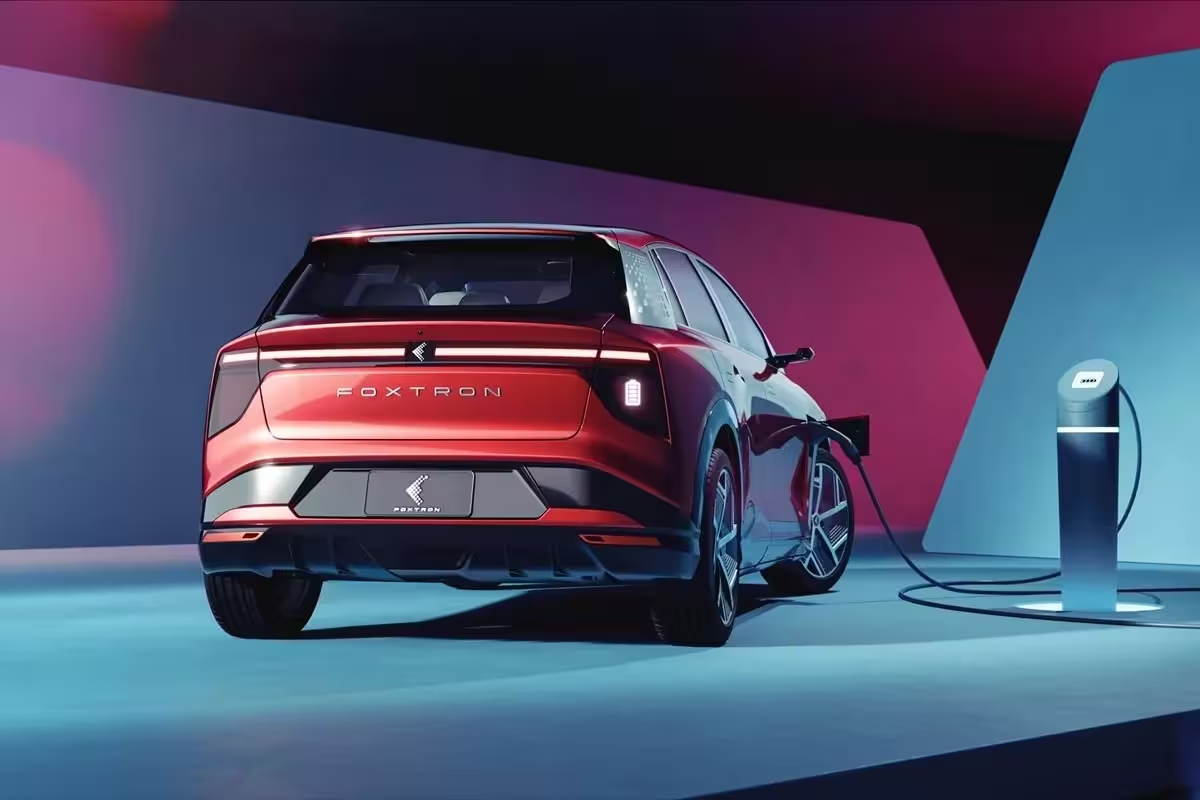
What this means for customers and dealers
Mitsubishi’s pivot implies quicker time-to-market for new electrified models at lower development cost, since rebadging and platform-sharing cut R&D and engineering time. However, customers looking for Mitsubishi-branded, ground-up EV engineering may be disappointed. Dealers should expect a wider mix of rebadged EVs and plug-in hybrids in inventory rather than unique Mitsubishi EV platforms.
Wider trend among Japanese automakers
Mitsubishi is not alone. Several Japanese brands have dialed back on independent EV programs:
- Mazda has delayed stand-alone EV development and is producing electric models such as the 6e and CX‑6e with Chinese partner Changan.
- Nissan postponed launches of the newest Leaf in certain markets, withdrew the Ariya from the U.S., and is exporting joint EVs with Dongfeng.
- Honda canceled multiple EV sedan and SUV programs and a joint EV venture with Sony in March 2026, and reported a large loss for the fiscal year.
These moves reflect a broader retrenchment: automakers are balancing regulatory pressure, consumer adoption rates, and profitability while exploring alliances to share the financial load.
Outlook
Mitsubishi’s strategy favors flexibility: maintain commitment to electrification via plug-in hybrids and collaborative EV programs, but avoid the cash burn of single-company platform bets. For car buyers, this means more rapid product introductions built on proven partner platforms. For the industry, it signals a second phase of consolidation in EV development—one driven by cost-sharing, rebadging, and selective platform use rather than an all-in race to build proprietary EV architectures.
Highlights:
- Mitsubishi pivots to partnership-led EV strategy.
- Rebadged models to arrive in Australia, North America and Europe.
- Dedicated Mitsubishi EV pickup shelved; Triton hybrid prioritized.
- Strategy mirrors a broader pullback among Japanese automakers.

This repositioning could help Mitsubishi stay profitable while still offering electrified choices—so long as partners deliver the technology and cost efficiencies the company needs.

Leave a Comment
Comments (2)
Makes sense tbh. Small brands cant blow cash on solo EV platforms, rebadging is faster, cheaper. still hope they keep some real Mitsu character tho
Wait so Mitsu is ditching in-house EVs? sounds risky, can partners keep the quality and brand feel? curious if dealers will balk or if this actually saves money