
3 Minutes
If you were picturing the Galaxy S27 Pro as a pocket-sized Ultra, you might want to slow your roll. New details from Naver leaker Lanzuk suggest Samsung is deliberately carving clearer distinctions between the S27 lineup, dialing back the Pro’s camera ambitions so it doesn’t steal the Ultra’s thunder.
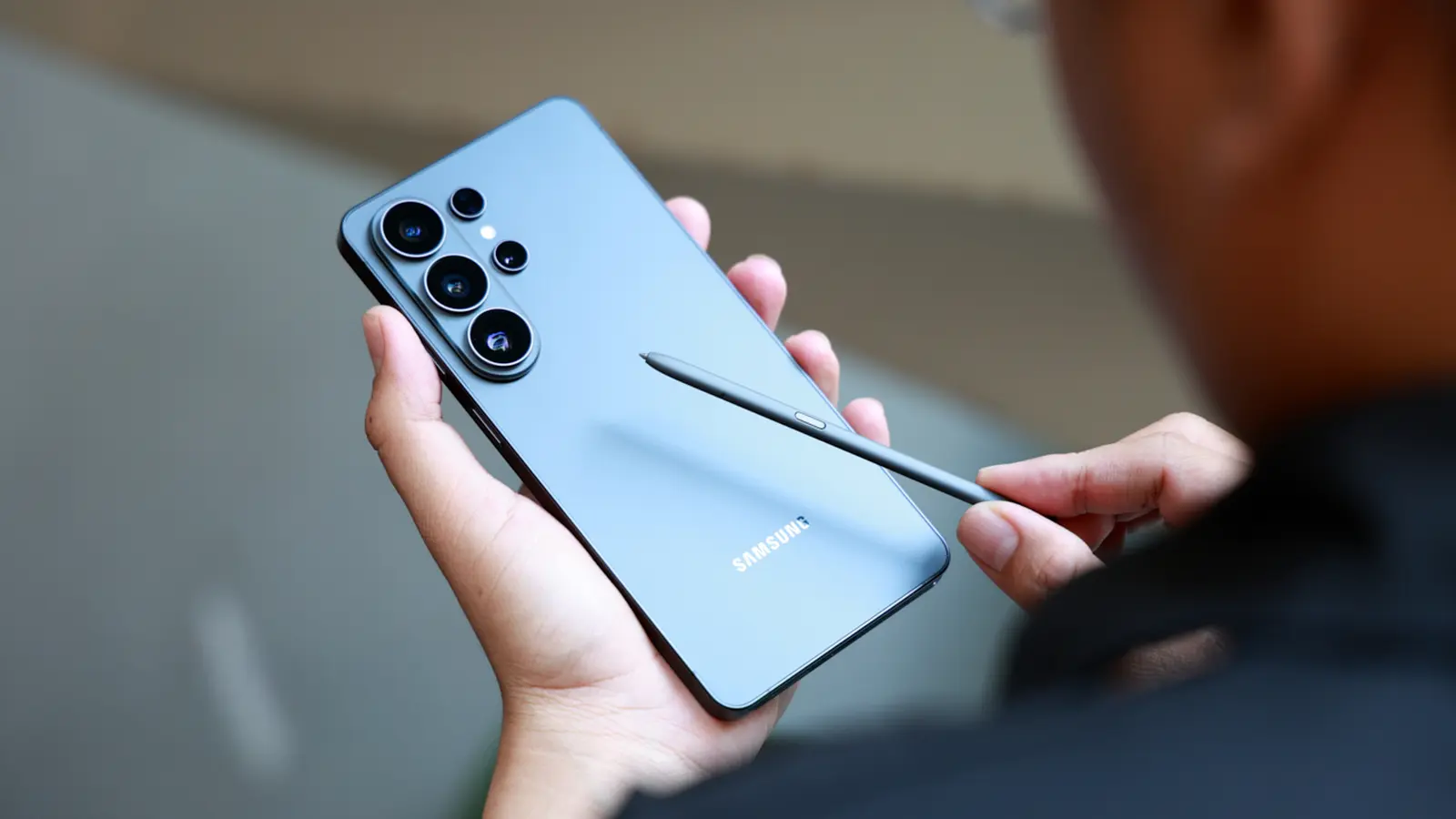
Think of the Pro as the sensible middle sibling: better than the standard S27, but not quite the photography powerhouse the Ultra is designed to be. According to the report, the Pro will share only select camera components with the Ultra and borrow more heavily from the base S27 and S27+—a choice that keeps the Pro compact and competent without cannibalizing the flagship.
There are, however, some meaningful upgrades coming across the series. Both the Pro and Ultra are said to adopt a 16MP front-facing sensor, the first notable selfie bump Samsung has made in years after the long-running 12MP module. On the rear, both models reportedly retain a 200MP main camera, so low-light performance and megapixel marketing will remain headline features for Samsung’s top two phones.

Where things diverge is telephoto territory. The leak indicates Samsung may ditch a dedicated 3x tele lens on the Ultra, leaning instead on a mix of digital zoom and machine learning to bridge focal lengths from roughly 1x to 5x before handing off to a periscope module for long-range shots. The Pro, meanwhile, is unlikely to inherit the Ultra’s higher-end 5x periscope, which would create a clearer technical and price separation between the models.
Does that mean the Ultra becomes all software and no optics? Not exactly. Relying on AI and computational zoom doesn’t automatically equal poorer results; when executed well, it can deliver flexible framing without extra hardware. But swapping a true 3x optical stage for algorithmic tricks does make the Ultra’s imaging strategy more dependent on processing prowess than lens design.
For Samsung, this split seems strategic. A distinct Pro model that boosts capability over the base phone—without matching the Ultra—lets the company appeal to buyers who want more than a vanilla S27 but don’t need or want to pay Ultra prices. It also protects the Ultra’s premium position, giving Samsung clearer reasons to justify the higher cost.
As always, treat these details as early-stage reporting. Plans can, and often do, shift between prototype and product. Still, if these whispers prove true, Samsung’s S27 lineup will offer clearer choices: practical upgrades in the middle, and the Ultra doubling down on flagship exclusives.

Leave a Comment
Comments
No comments yet. Be the first.