

3 Minutes
Walk into any carrier shop in mid-2026 and you notice the same thing: fewer cheap phones on the shelf. Global smartphone shipments slipped 4% in Q2 year‑on‑year, Omdia reports. The culprit is not a single feature or phone model but a squeeze farther up the supply chain — memory and storage costs have jammed margins and reshaped manufacturer strategies.
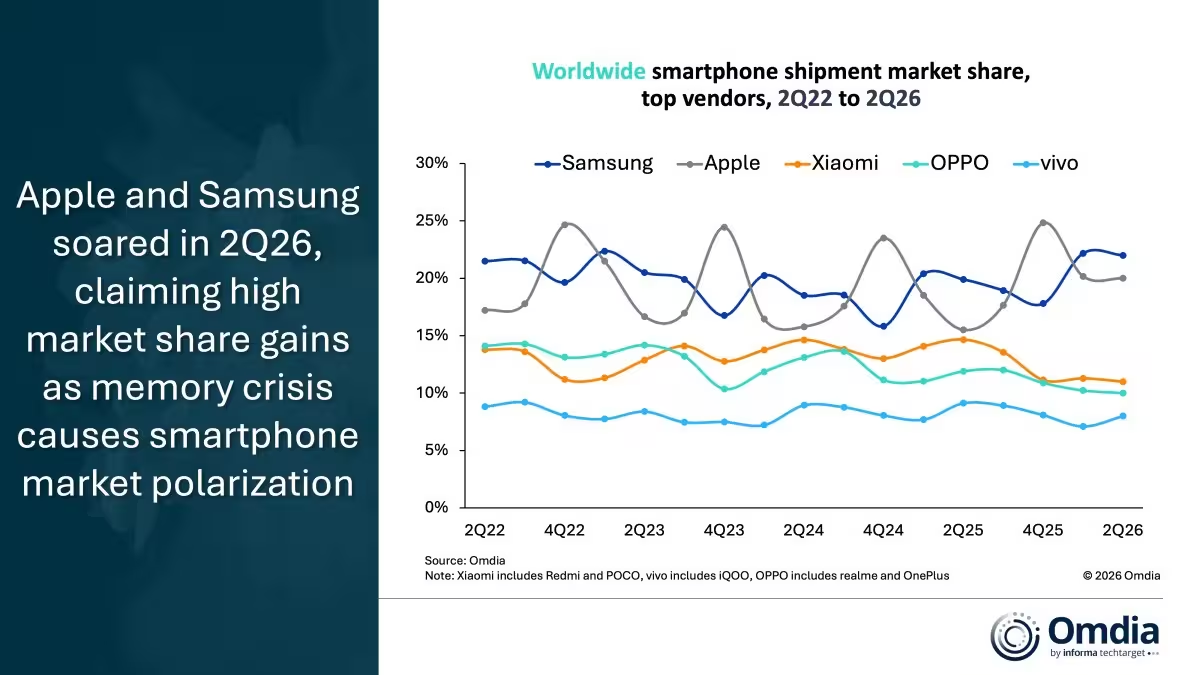
Two companies did not just survive that squeeze; they widened their lead. Samsung nudged its market share from 20% to 22%, and Apple jumped from 16% to 20%. Meanwhile, several Chinese brands lost ground: Xiaomi fell from 15% to 11%, Oppo dropped from 12% to 10%, and vivo slid from 9% to 8%. Simple arithmetic, but with heavy consequences.

Why the divergence? For Samsung, the answer is breadth. The Korean giant expanded in the sub‑$400 territory just as many Chinese rivals trimmed model lines and raised prices. Apple, on the other hand, posted its best Q2 ever — driven by the iPhone 17 lineup and a pricing stance that didn’t shock consumers. Two different plays, similar result: share gains while the overall market contracted.
The pressure point is obvious for anyone who follows components. Runar Bjorhovde, Omdia's principal analyst, highlights the under‑$400 band as the most exposed: supply constraints are tight, margins are razor thin, and buyers are painfully price sensitive. In budget phones, memory and storage now account for more than 60% of the bill of materials. Even flagship handsets see those parts eating up over 30% of costs.

And don’t expect an immediate relief rally. Omdia predicts memory price relief will only surface in the second half of next year, and even then prices are unlikely to tumble back to pre‑2025 levels. That lag means the rest of 2026 could feel heavier, not lighter.
The research house also warns that the tougher months may still be ahead. Q3 and Q4 are forecast to show the sharpest declines as vendors pivot away from low‑margin devices toward higher‑priced models. For consumers, that shift translates into fewer outright bargains. Many mass‑market buyers will put off upgrades, accept downgrades, rely on financing plans, or hunt for refurbished options.
Markets move in cycles, but this one stings where millions shop. Companies that can absorb component pain, streamline offerings, or convince buyers to pay up stand to widen the gap. The rest will be left to scramble — and to answer a basic question: when will the next generation of affordable phones return to the table?


Leave a Comment
Comments
No comments yet. Be the first.