
2 Minutes
Samsung flipped the script on battery trade-offs. Foldables that once felt like clever compromises now carry batteries that finally keep pace with everyday use.
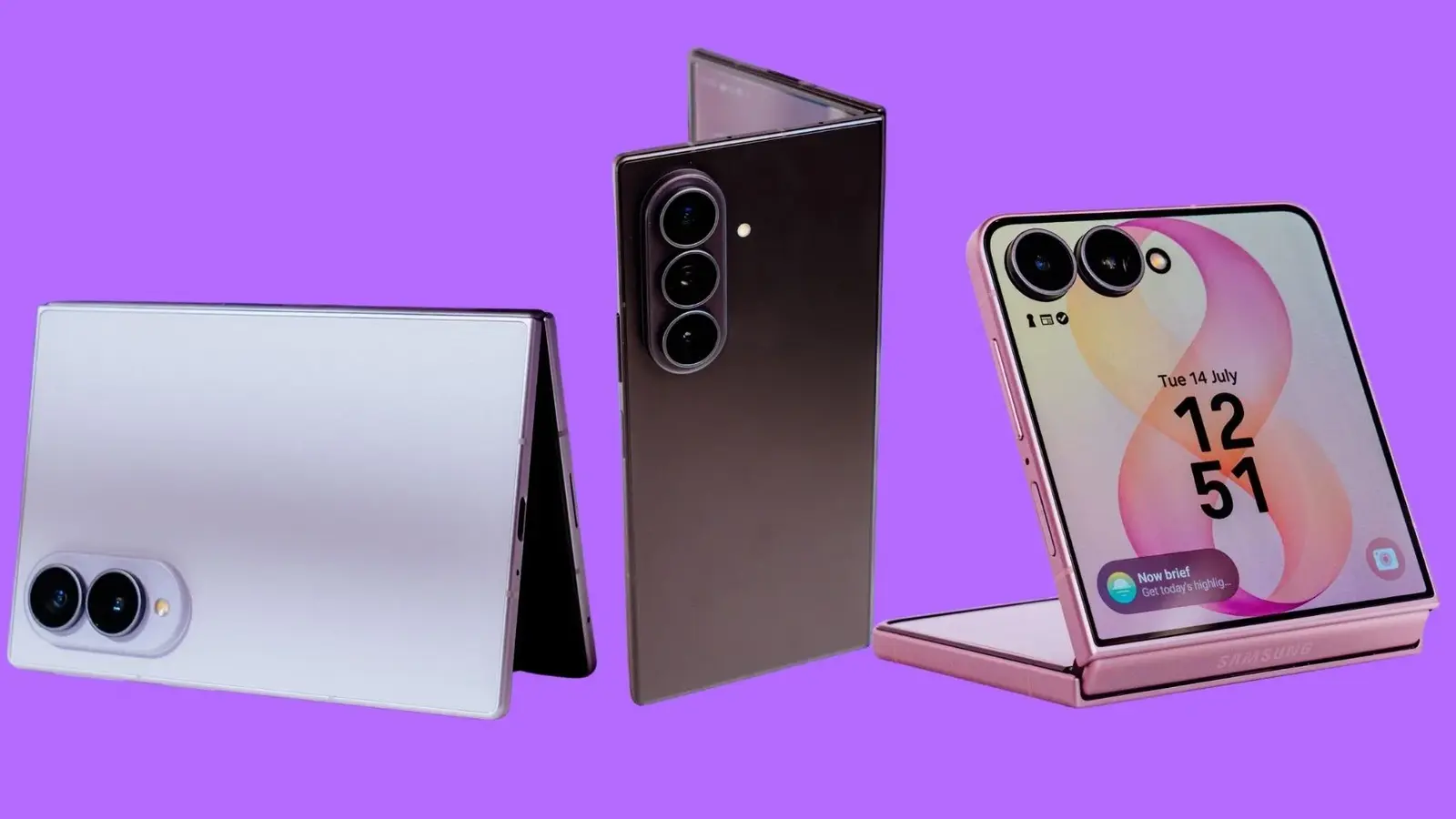
For the first time, Samsung is shipping silicon‑carbon (SiC) batteries in its Galaxy Z Fold 8 Ultra, Galaxy Z Fold 8 and Galaxy Z Flip 8. It’s a small phrase for a big shift: silicon‑carbon cells squeeze more energy into the same volume, which lets Samsung increase capacity without blowing up the phone’s dimensions.
Think of SiC as a tighter-packed bookshelf. You can fit more novels on the same shelf if the books are slimmer but just as dense. Chinese manufacturers first began using similar packs around 2023, nudging the industry toward higher energy density. Samsung, after internal development that picked up pace in 2025, has now brought that advantage to its premium foldables.

Numbers matter. The Galaxy Z Fold 8 Ultra arrives with a 5,000mAh cell, while the standard Fold 8 steps up to 4,800mAh — a clear increase from the Fold 7’s 4,400mAh. The Z Flip 8 doesn’t chase bigger capacity; instead, it leverages SiC chemistry to shave millimeters, growing sleeker at 13.1mm thick versus the previous 13.7mm.
Why does any of this matter beyond spec sheets? Because battery is where hardware meets the messy realities of daily life. Longer screen-on time, fewer mid-day charges, and a foldable that behaves more like a practical primary phone rather than a novelty — those are the outcomes people care about.
Adoption here feels strategic. Samsung isn’t simply chasing headline numbers; it’s testing SiC in marquee devices where design constraints are tight and gains are obvious. If these implementations perform well in real-world use, expect silicon‑carbon chemistry to migrate across Samsung’s lineup — the S series, A, M and even budget-focused F models could follow in the next product cycles.
There are always trade-offs to watch: thermal behavior, charge cycles, and long-term degradation differ from conventional lithium‑ion cells. Early signs are promising, but the true verdict will come after months of everyday use around the globe.
For now, Samsung’s foldable fans have a tangible upgrade — not just in specs, but in the experience of a device that can finally stay open for the whole day. That’s the kind of change you feel, not just read about.


Leave a Comment
Comments
No comments yet. Be the first.