
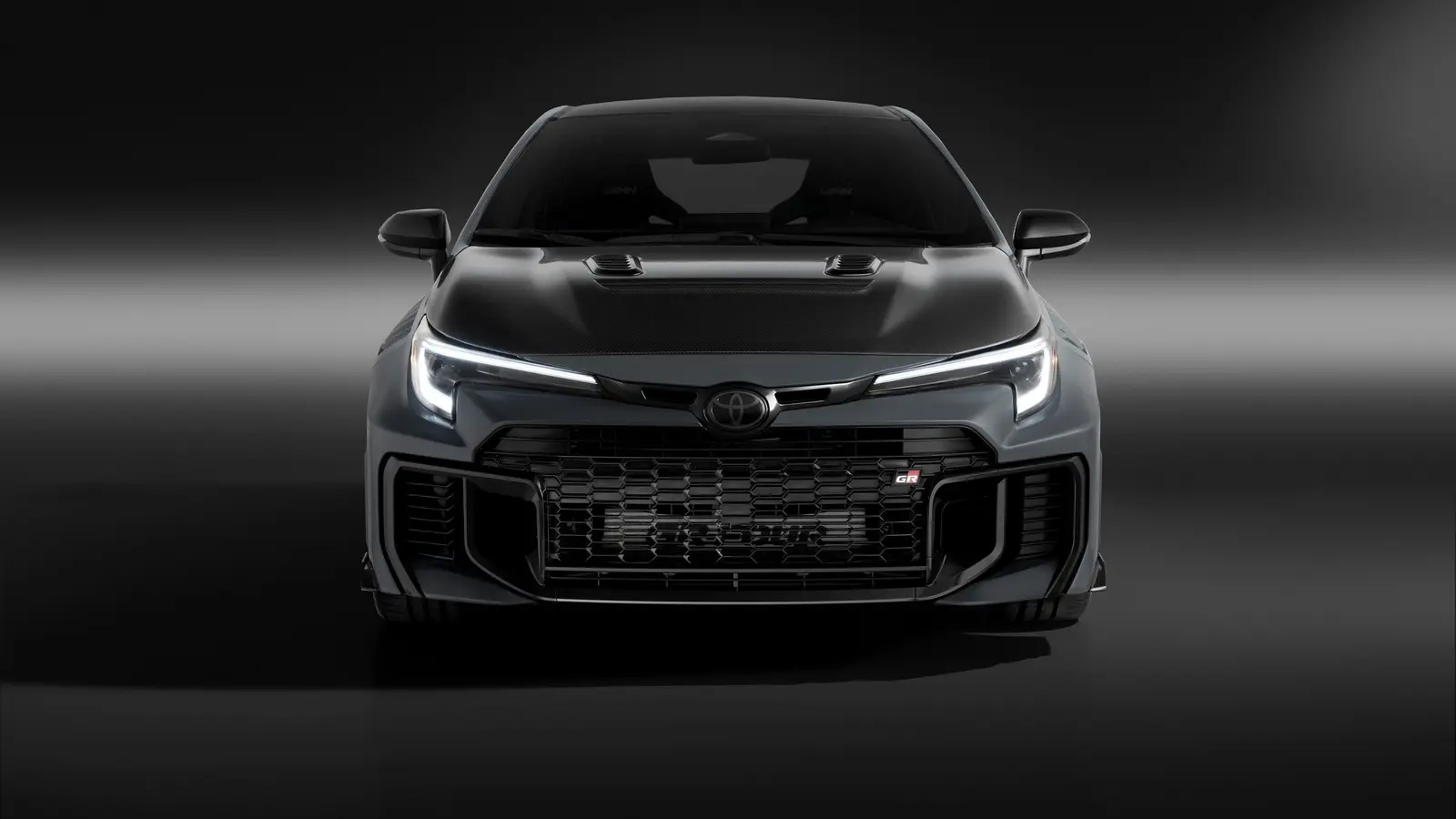
Toyota posts mixed H1 2026 results: small decline, big lead
Toyota Motor Corporation reported a 2.8% year-on-year drop in global deliveries for the first half of 2026, finishing H1 with 5,390,484 vehicles sold across its group brands. The headline number masks a nuanced picture: the company lost momentum in several markets, yet still widened its gap over longtime rival Volkswagen Group.
Despite the decline, Toyota's H1 volume dwarfed Volkswagen's 4,130,000 units, leaving an imposing 1.26 million vehicle margin that cements Toyota as the world's top seller for the seventh consecutive year. For industry watchers, the story is less about whether Toyota can lead and more about how it sustains that lead amid regional BEV disruptions, geopolitical friction, and evolving consumer preferences.

Regional winners and losers
Toyota's half-year performance varied sharply by market: - China: Sales plunged 17.1% as aggressive domestic BEV pricing, led by local manufacturers, combined with model changeovers and higher fuel costs to reduce demand. - Middle East: Deliveries tumbled 21.6%, while exports from Japan to the region contracted 36% to 104,093 vehicles over six months due to logistics bottlenecks and geopolitical instability. - Japan: Home-market demand held up, with deliveries rising 4.4% to about 1.095 million units, helped by consumer appetite for SUVs and utility-focused models. - North America: Sales inched up 0.7% to roughly 1.452 million units, with U.S. buyers gravitating toward hybrids as a practical middle ground between ICE and full BEVs.
These regional swings reveal both vulnerability and resilience: Toyota is being tested in China’s cutthroat battery-electric vehicle arena, but long-term strengths in Japan and North America helped offset some losses.

Electrified sales drive results
Toyota's multi-pathway electrification strategy continues to be a commercial success. Electrified vehicle sales jumped 9.1% year-on-year to an H1 record of 2,707,302 units, accounting for more than 54% of Toyota and Lexus sales combined. The mix is still dominated by conventional hybrids, which rose 4.4% in the period, while full battery-electric vehicle (BEV) sales grew 2.3% globally as bZ and RZ model shipments accelerated.
Quote: 'Toyota's hybrid backbone keeps the company profitable and competitive while it scales BEV capabilities,' an industry analyst observed, pointing to the firm's strength in powertrain diversity.

Model trends: SUVs, bZ family, Land Cruiser and Hilux influences
Demand for sport utility vehicles helped maintain showroom footfall in Japan and other markets. Notable contributors included Toyota's bZ family of electrified models, the new 250-series Land Cruiser range, and a Hilux-derived FJ variant that appeals to buyers seeking rugged styling and utility. While these models are not pure BEV game-changers in China, they perform well where hybrid efficiency and off-road heritage matter.

What this means for Toyota and the market
- Strengths: Global manufacturing scale, entrenched hybrid technology, and broad model portfolio continue to be Toyota’s competitive advantages. - Challenges: Accelerating BEV adoption in China and intense price competition from domestic brands require faster adaptation and possible changes to product and pricing strategy.

Toyota’s position entering H2 2026 is secure but not unassailable. The company’s scale and hybrid momentum give it significant runway, yet regional headwinds—especially in China and the Middle East—highlight areas where strategic adjustments are needed.
Closing note Toyota’s H1 performance is a lesson in balance: a modest global sales decline paired with an even bigger competitive edge. As the automaker moves through the rest of 2026, watch for how it leverages electrified hybrids, expands BEV offerings, and manages supply chains to protect its lead over Volkswagen and other challengers.

Leave a Comment
Comments
No comments yet. Be the first.