
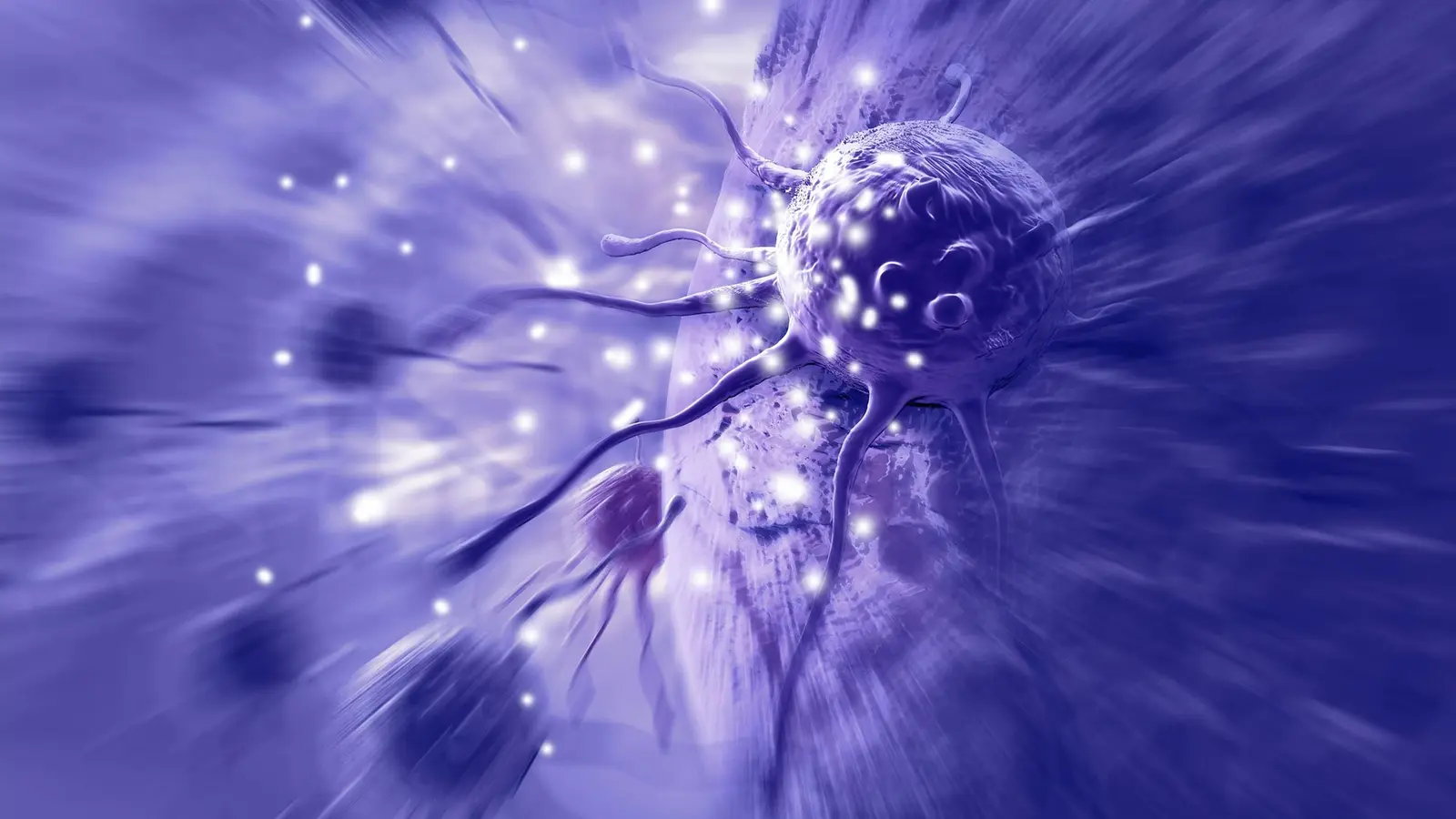
Long before hearts learned to pump, a protein now known as complement C3 was already patrolling primitive animals. Small. Ancient. Powerful in ways we’re only beginning to understand.
New work from Nagoya University flips the script on where this molecule matters. C3 coursing through the bloodstream behaves like a traditional defender against infection. But when the same protein is manufactured inside a tumor by nearby fibroblasts, it wears a different hat: it keeps immune-suppressing myeloid cells—those macrophage-like troublemakers—out of the tumor microenvironment, and in doing so, it can tip the balance in favor of immunotherapy.
How did researchers separate the two roles? Clever mouse experiments. When liver production of C3 was knocked down by 90%, anti-PD-1 immunotherapy still worked. When tumor-associated fibroblasts were prevented from making C3, the therapy faltered—even though blood C3 barely budged. The location, not the overall level, proved decisive.

Tumors with fibroblasts that produce more C3 (right) contain fewer immune-suppressing macrophages (blue arrows) than tumors that produce less C3 (left). Higher C3 was linked to better outcomes with cancer immunotherapy.
Local C3 produced by tumor fibroblasts, not circulating C3, predicts and shapes response to checkpoint immunotherapy by generating an iC3b fragment that blocks harmful myeloid cell entry.
That iC3b fragment matters. It forms from C3 breakdown and acts like a selective bouncer at the tumor door, excluding the myeloid cells that usually suppress anti-tumor T cells. Without it, those suppressive cells accumulate, the immune attack stalls, and tumors can become resistant.
There was also a therapeutic test. The team used a drug designed to mimic C3’s myeloid-blocking action. Combined with anti-PD-1, it turned previously resistant tumors sensitive again and extended survival in mice. Promising? Yes. Ready for clinics? Not yet. But it points to a clear strategy: recreate the beneficial local effects of an ancient immune protein inside tumors where it is needed most.

C3 made locally by fibroblasts in the tumor keeps harmful myeloid cells out and helps immunotherapy work (left). Without this local C3, these cells build up, making tumors resistant to treatment (middle). C3 circulating in the blood, made by the liver, has no effect in either situation (right).
Clinical samples backed up the lab work. In lung cancer patients, higher C3 levels in the tissue surrounding tumors correlated with better responses to immunotherapy and longer survival—roughly half of those with abundant local C3 responded versus none among patients whose tumors showed low local C3. Blood measurements, once again, failed to predict outcomes.
What follows is obvious and complicated at the same time. Could doctors boost C3 only inside tumors to sensitize resistant cancers? Might local C3 levels become a biomarker to select patients for checkpoint inhibitors? And beyond cancer, does this tissue-specific role of C3 explain features of wound healing and chronic inflammation we haven’t yet connected?
Scientists plan to test ways to raise C3 selectively in tumors and to learn when such interventions would help most. It’s a reminder that sometimes the most ancient players in biology hide the cleverest tricks—if we listen closely to where they act, not just how much of them we can measure in a blood test.

Leave a Comment
Comments
No comments yet. Be the first.