
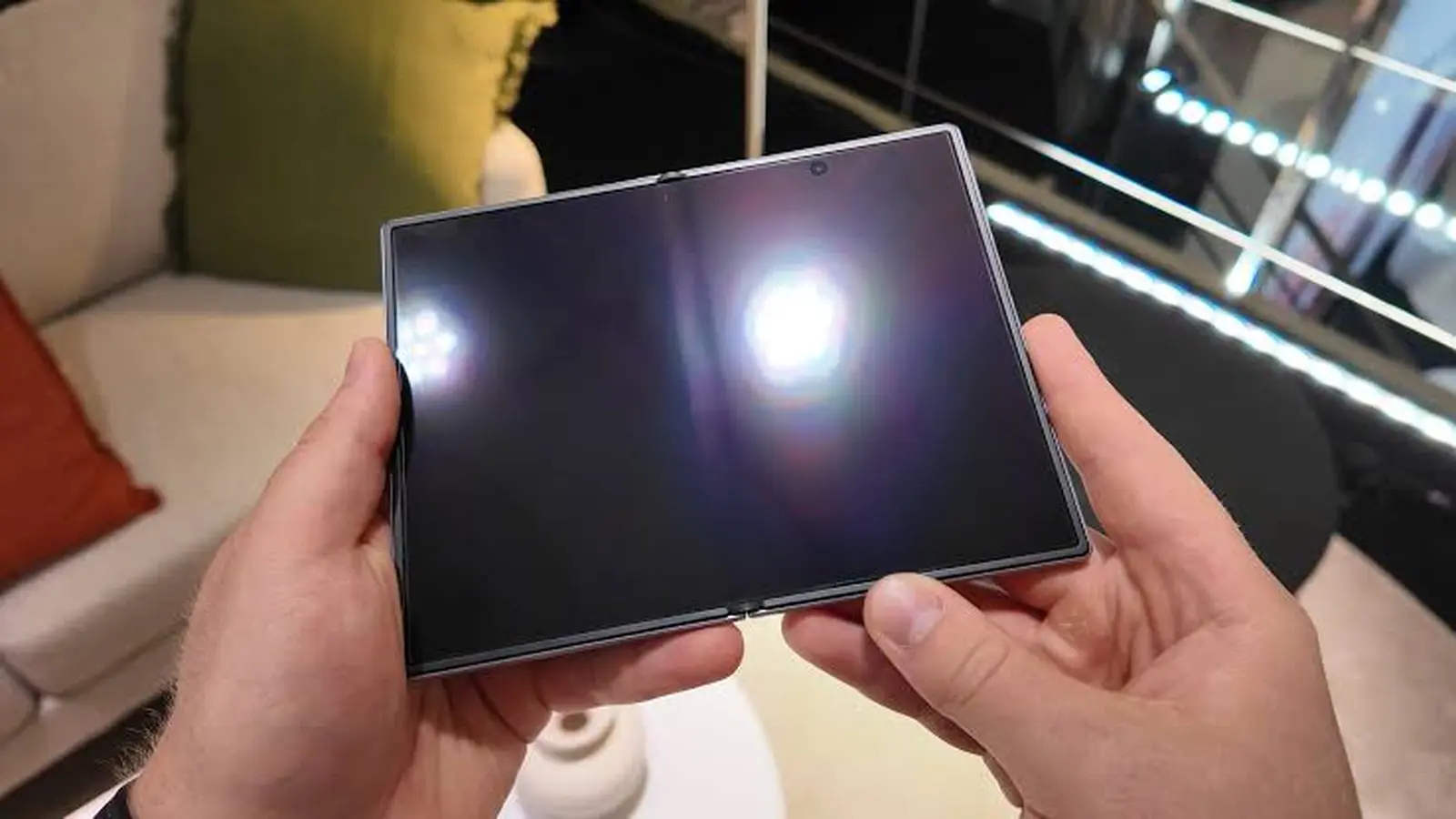
Samsung promised a near-invisible crease. The first demo nearly delivered. But a few short videos from creators have already complicated that story.
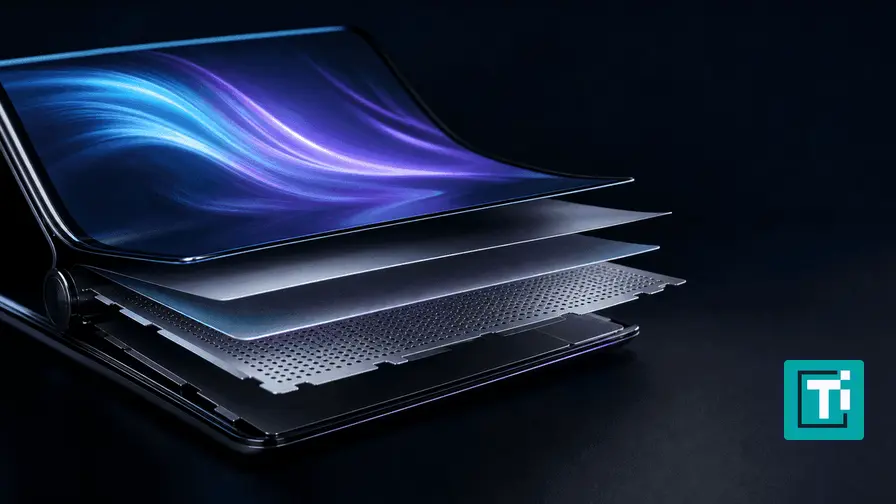
At launch, the Galaxy Z Fold 8 looked like a small engineering miracle. Samsung's so-called Flex Titanium — a network of slim titanium support bars around the hinge area — was pitched as the fix to years of foldable headaches: visible creases, panel strain, and the slow wear that turns a sleek foldable into a reminder of fragile mechanics. Onstage, the Fold 8's crease was almost gone. It was a clear step up from the Fold 7, and it even beat rival attempts from earlier this year.
Industry leakers noticed. On July 23, Ice Universe shared a side-by-side that put the Fold 7, Fold 8, Oppo Find N6, and Vivo X Fold 6 under a microscope. The Fold 8 looked supremely flat in those photos. That image created a narrative: Samsung had finally solved the crease problem.

Reality, however, moves on faster than headlines. Creators who received review units started posting comparisons this week. The thread running through their clips is plain to see: the crease on brand-new Fold 8 units seems to deepen after only a few days of normal use. The effect shows up on both the standard Fold 8 and the Ultra model. In one clip, brand-new retail units were placed beside the review devices handled all week; the review phones displayed a more noticeable fold line.
Curiously, the Oppo Find N6 — which initially trailed the Fold 8 in crease visibility — held up better in the same short-term test. A device that didn’t look as flat on day one was less changed by day seven. That raises the uncomfortable question: is initial flatness the whole story, or should we be judging how the hinge behaves after repeated opening and closing?
The engineering behind Flex Titanium still sounds promising. Titanium is light and stiff, and the idea of distributing support across narrow bars rather than a single bulky hinge makes sense on paper. The goal was twofold: mask the crease and extend the panel's life under the daily pressures of folding. But materials and mechanics age differently under real hands and real habits than they do under controlled demos.

Early evidence suggests Samsung's headline advantage may fade quickly in everyday use.
This doesn't mean the Fold 8 is a failure. It means the industry is still learning what longevity looks like for foldables. Samsung has the scale to iterate fast and the supply chain to refine hinge geometry, coatings, and pressure distribution. Rivals are learning too; Oppo and Vivo have been quietly closing the gap with their own hinge innovations.
For buyers, the practical takeaway is simple: initial crease photos are only one data point. Real-world durability — how a fold behaves after weeks, months, and years — will determine the winner in the long run. Samsung aims to ship the Z Fold 8 on August 7, and the wider review cycle that follows should give a clearer picture of whether Flex Titanium is a genuine breakthrough or just the latest step in a still-evolving design race.
Either way, the crease debate is far from over. And if you buy a Fold 8 this month, expect your eyes to keep watching that line as much as your thumbs keep folding it.

Leave a Comment
Comments
No comments yet. Be the first.